Leaf peeping
Fall colors in Oregon
Places in Oregon ranked by their typical peak window, so you can pick where to be this week or plan the next one.
The earliest typical peak we track is at Pack Trail (around Oct 3) and the latest is at Smith River Falls Recreation Site (around Oct 24). We track 72 places here: 34 mountain biking trails, 24 hikes, 10 campgrounds, and 4 waterfalls.
This week
In typical peak now in Oregon
Places whose usual window includes today.
Castle Rock
Campground
Typical peak Oct 5 – 19
To Firelane 7
Hike
Typical peak Oct 8 – 22
Riveredge Campground
Campground
Typical peak Oct 7 – 21
Northwest Leif Erikson Drive
Mountain biking trail
Typical peak Oct 9 – 23
Tolinda Trail
Hike
Typical peak Oct 10 – 24

Ridge Trail
Hike
Typical peak Oct 9 – 23
Pack Trail
Hike
Typical peak Oct 3 – 17
Hembre Ridge
Hike
Typical peak Oct 8 – 22
Plan ahead
Coming up next
Typical peak starts within the next three weeks.
Wilson Falls
Waterfall
Typical peak Oct 11 – 25
Northwest Leif Erikson Drive
Mountain biking trail
Typical peak Oct 11 – 25
Northwest Springville Road
Mountain biking trail
Typical peak Oct 11 – 25
Hiker/Biker
Campground
Typical peak Oct 12 – 26
Jones Creek Campground
Campground
Typical peak Oct 12 – 26

Cannon Trail
Hike
Typical peak Oct 13 – 27
Alder Glen Recreation Site
Campground
Typical peak Oct 14 – 28
Northwest Firelane 10 Road
Mountain biking trail
Typical peak Oct 14 – 28
Hikes
Best fall hikes
Trails ranked by how much hardwood forest surrounds them and how consistent the timing is across years.
Nature Trail
Hike
Typical peak Oct 24 – Nov 7
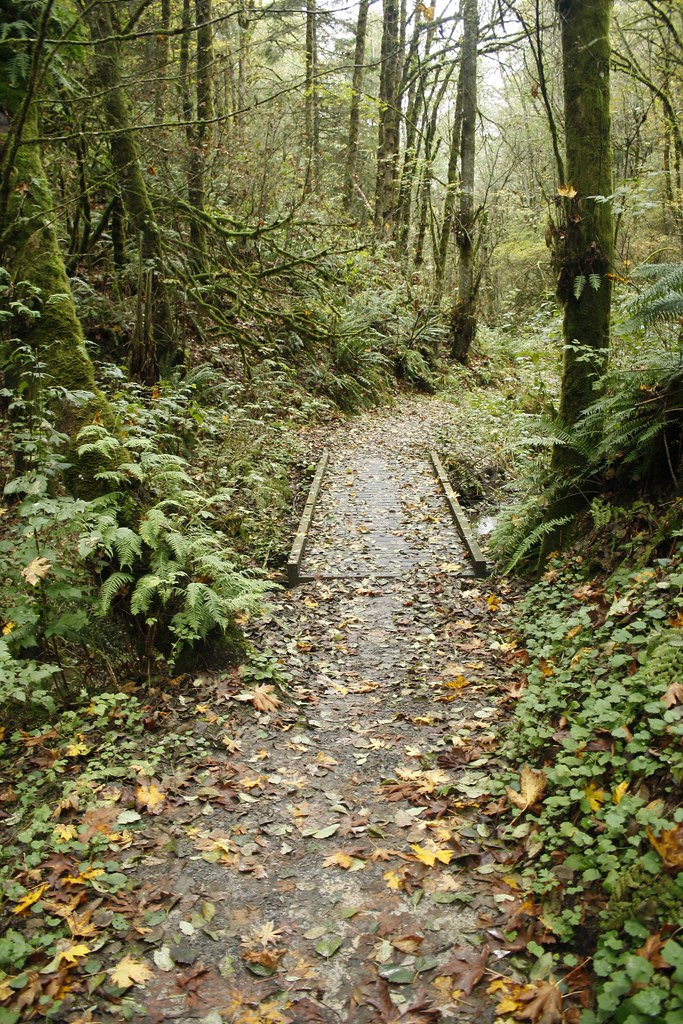
Chestnut Trail
Hike
Typical peak Oct 22 – Nov 5
Maple Trail
Hike
Typical peak Oct 24 – Nov 7
No Name Trail
Hike
Typical peak Oct 17 – 31
Jordan Creek Trail
Hike
Typical peak Oct 15 – 29
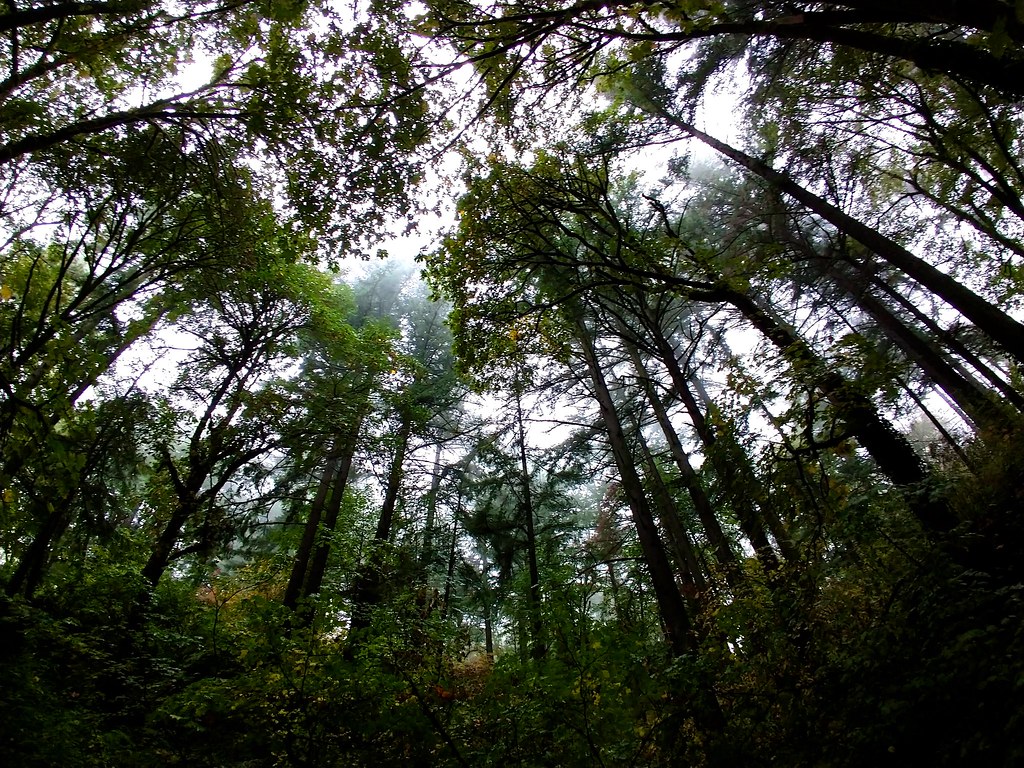
Alder Trail
Hike
Typical peak Oct 23 – Nov 6

Wild Cherry Trail
Hike
Typical peak Oct 23 – Nov 6

Water Line Trail
Hike
Typical peak Oct 14 – 28
Camp
Campgrounds in the color
Wake up in it. Check availability and any seasonal closures before you go.
Trask River Park Campground
Campground
Typical peak Oct 15 – 29
Nehalem Falls Campground
Campground
Typical peak Oct 18 – Nov 1
Castle Rock
Campground
Typical peak Oct 5 – 19
Keenig Creek Campground
Campground
Typical peak Oct 15 – 29
Alder Glen Recreation Site
Campground
Typical peak Oct 14 – 28
Hiker/Biker
Campground
Typical peak Oct 12 – 26
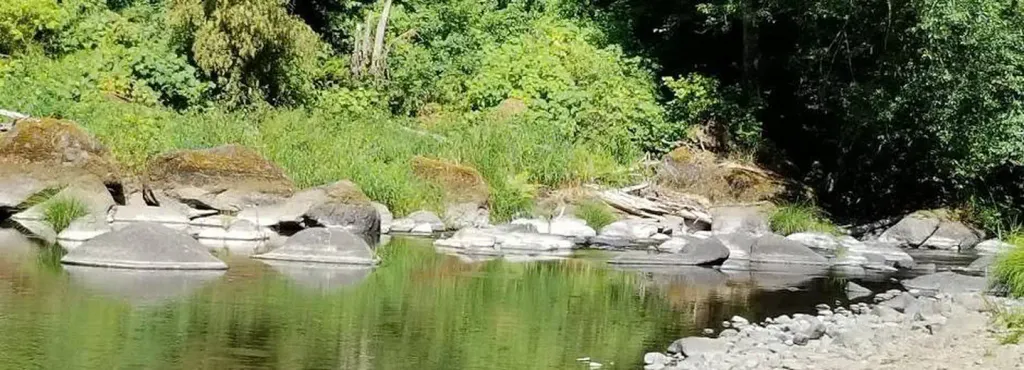
Rocky Bend Group Campground
Campground
Typical peak Oct 18 – Nov 1
Riveredge Campground
Campground
Typical peak Oct 7 – 21
Views
Summits and waterfalls
Overlooks for the big picture, falls for the doubled-up reflection.
Ride
Mountain biking through the color
Singletrack with a canopy overhead.
Northwest Firelane 5 Road
Mountain biking trail
Typical peak Oct 21 – Nov 4
Northwest Firelane 1 Road
Mountain biking trail
Typical peak Oct 24 – Nov 7
Northwest Saltzman Road
Mountain biking trail
Typical peak Oct 23 – Nov 6
Northwest Leif Erikson Drive
Mountain biking trail
Typical peak Oct 21 – Nov 4
Northwest Firelane 1 Road
Mountain biking trail
Typical peak Oct 24 – Nov 7
Northwest Firelane 5 Road
Mountain biking trail
Typical peak Oct 17 – 31
Northwest Saltzman Road
Mountain biking trail
Typical peak Oct 17 – 31
Northwest Saltzman Road
Mountain biking trail
Typical peak Oct 17 – 31
Everything
Map and full list
Every place we track in Oregon, grouped by where it is in its typical window.
- In typical peak now (9)
- Coming up (63)
In typical peak now
Today falls inside the usual peak window for these places.
Castle Rock
Campground · Oregon
Typical peak Oct 5 – 19
Mixed hardwood and evergreen forest
To Firelane 7
Hike · Oregon
Typical peak Oct 8 – 22
Patches of hardwood forest
Riveredge Campground
Campground · Oregon
Typical peak Oct 7 – 21
Patches of hardwood forest
Northwest Leif Erikson Drive
mountain_biking · Oregon
Typical peak Oct 9 – 23
Patches of hardwood forest
Tolinda Trail
Hike · Oregon
Typical peak Oct 10 – 24
Patches of hardwood forest
Ridge Trail
Hike · Oregon
Typical peak Oct 9 – 23
Patches of hardwood forest
Pack Trail
Hike · Oregon
Typical peak Oct 3 – 17
Patches of hardwood forest
Hembre Ridge
Hike · Oregon
Typical peak Oct 8 – 22
Patches of hardwood forest
Northwest Leif Erikson Drive
mountain_biking · Oregon
Typical peak Oct 8 – 22
Patches of hardwood forest
Coming up
Typical peak starts within the next three weeks.
Wilson Falls
waterfall · Oregon
Typical peak Oct 11 – 25
Mixed hardwood and evergreen forest
Northwest Leif Erikson Drive
mountain_biking · Oregon
Typical peak Oct 11 – 25
Patches of hardwood forest
Northwest Springville Road
mountain_biking · Oregon
Typical peak Oct 11 – 25
Patches of hardwood forest
Hiker/Biker
Campground · Oregon
Typical peak Oct 12 – 26
Mixed hardwood and evergreen forest
Jones Creek Campground
Campground · Oregon
Typical peak Oct 12 – 26
Patches of hardwood forest
Cannon Trail
Hike · Oregon
Typical peak Oct 13 – 27
Mixed hardwood and evergreen forest
Alder Glen Recreation Site
Campground · Oregon
Typical peak Oct 14 – 28
Mixed hardwood and evergreen forest
Northwest Firelane 10 Road
mountain_biking · Oregon
Typical peak Oct 14 – 28
Mixed hardwood and evergreen forest
Water Line Trail
Hike · Oregon
Typical peak Oct 14 – 28
Mixed hardwood and evergreen forest
Wildwood Trail
Hike · Oregon
Typical peak Oct 14 – 28
Mixed hardwood and evergreen forest
Northwest Leif Erikson Drive
mountain_biking · Oregon
Typical peak Oct 14 – 28
Patches of hardwood forest

Old Wilson River Trail
Hike · Oregon
Typical peak Oct 14 – 28
Patches of hardwood forest
Northwest Firelane 10 Road
mountain_biking · Oregon
Typical peak Oct 14 – 28
Patches of hardwood forest
Trask River Park Campground
Campground · Oregon
Typical peak Oct 15 – 29
Mixed hardwood and evergreen forest
Northwest Newton Road
mountain_biking · Oregon
Typical peak Oct 15 – 29
Mixed hardwood and evergreen forest
Jordan Creek Trail
Hike · Oregon
Typical peak Oct 15 – 29
Mixed hardwood and evergreen forest
Keyser Trail
mountain_biking · Oregon
Typical peak Oct 15 – 29
Mixed hardwood and evergreen forest
Northwest Firelane 10 Road
mountain_biking · Oregon
Typical peak Oct 15 – 29
Mixed hardwood and evergreen forest
Keenig Creek Campground
Campground · Oregon
Typical peak Oct 15 – 29
Patches of hardwood forest
Nenamusa Falls
waterfall · Oregon
Typical peak Oct 15 – 29
Mixed hardwood and evergreen forest
Northwest Firelane 15 Road
mountain_biking · Oregon
Typical peak Oct 16 – 30
Mixed hardwood and evergreen forest
Northwest Firelane 10 Road
mountain_biking · Oregon
Typical peak Oct 16 – 30
Mixed hardwood and evergreen forest
Northwest BPA Road
mountain_biking · Oregon
Typical peak Oct 16 – 30
Mixed hardwood and evergreen forest
Northwest BPA Road
mountain_biking · Oregon
Typical peak Oct 16 – 30
Mixed hardwood and evergreen forest
Muesial Creek
Hike · Oregon
Typical peak Oct 16 – 30
Patches of hardwood forest
Northwest Firelane 5 Road
mountain_biking · Oregon
Typical peak Oct 17 – 31
Mixed hardwood and evergreen forest
Northwest Saltzman Road
mountain_biking · Oregon
Typical peak Oct 17 – 31
Mixed hardwood and evergreen forest
Northwest Saltzman Road
mountain_biking · Oregon
Typical peak Oct 17 – 31
Mixed hardwood and evergreen forest
No Name Trail
Hike · Oregon
Typical peak Oct 17 – 31
Mixed hardwood and evergreen forest
Northwest BPA Road
mountain_biking · Oregon
Typical peak Oct 17 – 31
Mixed hardwood and evergreen forest
Kansas Creek
Hike · Oregon
Typical peak Oct 17 – 31
Mixed hardwood and evergreen forest
Beaver Falls
waterfall · Oregon
Typical peak Oct 17 – 31
Patches of hardwood forest
Nehalem Falls Campground
Campground · Oregon
Typical peak Oct 18 – Nov 1
Mixed hardwood and evergreen forest
Northwest Newton Road
mountain_biking · Oregon
Typical peak Oct 18 – Nov 1
Mixed hardwood and evergreen forest
Rocky Bend Group Campground
Campground · Oregon
Typical peak Oct 18 – Nov 1
Mixed hardwood and evergreen forest
North Collins Trail
Hike · Oregon
Typical peak Oct 18 – Nov 1
Patches of hardwood forest
Northwest Leif Erikson Drive
mountain_biking · Oregon
Typical peak Oct 19 – Nov 2
Mixed hardwood and evergreen forest
Northwest Saltzman Road
mountain_biking · Oregon
Typical peak Oct 19 – Nov 2
Mixed hardwood and evergreen forest
Northwest Saltzman Road
mountain_biking · Oregon
Typical peak Oct 19 – Nov 2
Patches of hardwood forest
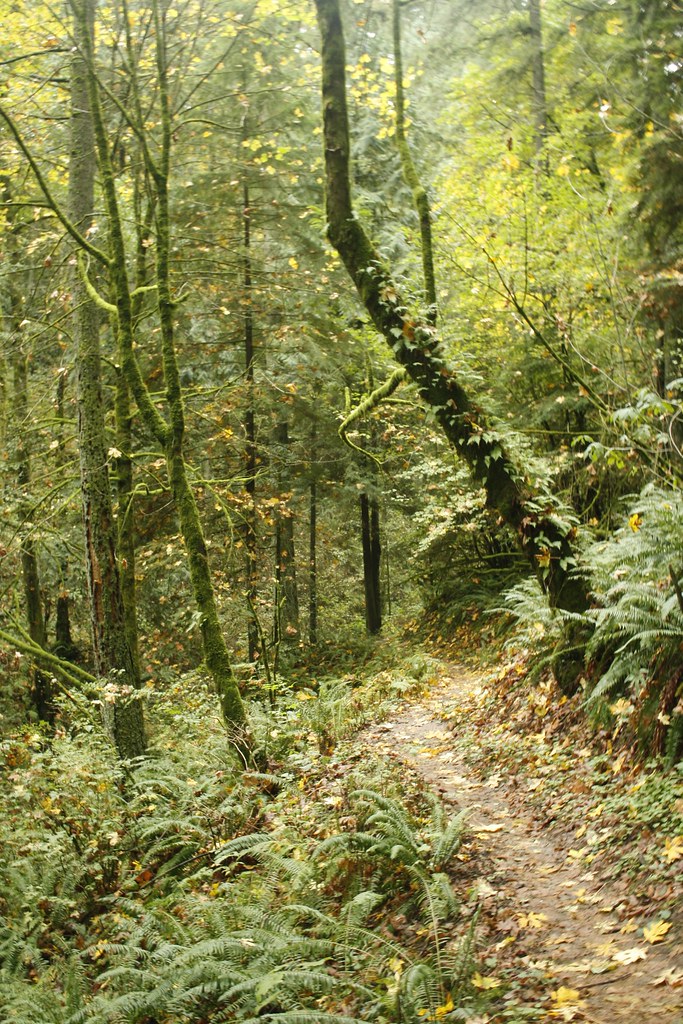
Skyline Trail
Hike · Oregon
Typical peak Oct 19 – Nov 2
Patches of hardwood forest
Northwest Saltzman Road
mountain_biking · Oregon
Typical peak Oct 19 – Nov 2
Patches of hardwood forest
Battle Lake
Hike · Oregon
Typical peak Oct 20 – Nov 3
Patches of hardwood forest
Northwest Firelane 1 Road
Hike · Oregon
Typical peak Oct 20 – Nov 3
Patches of hardwood forest
Nehalem Falls
waterfall · Oregon
Typical peak Oct 21 – Nov 4
Mixed hardwood and evergreen forest
Northwest Firelane 5 Road
mountain_biking · Oregon
Typical peak Oct 21 – Nov 4
Mixed hardwood and evergreen forest
Northwest Leif Erikson Drive
mountain_biking · Oregon
Typical peak Oct 21 – Nov 4
Mixed hardwood and evergreen forest
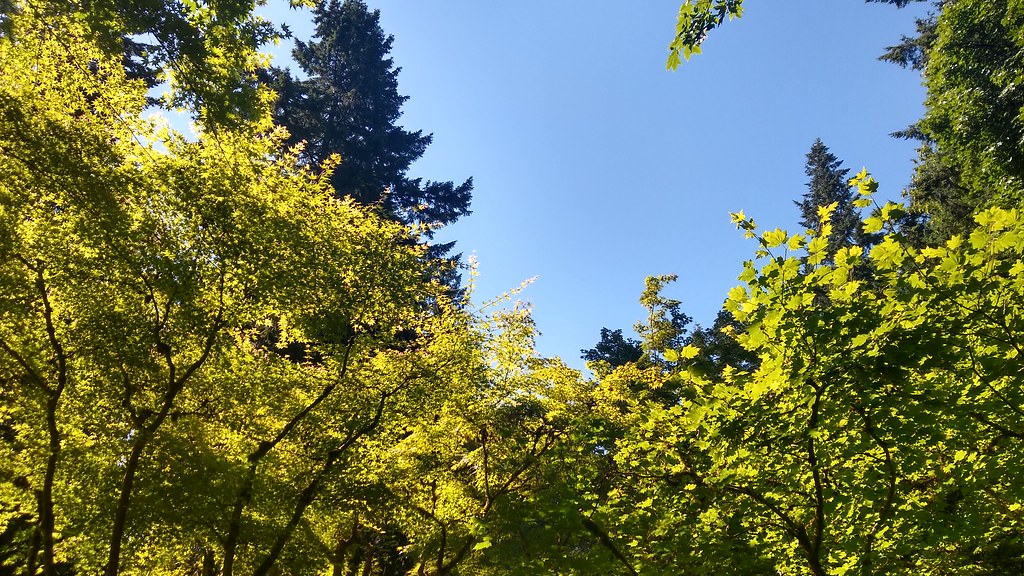
Woodpecker Trail
Hike · Oregon
Typical peak Oct 21 – Nov 4
Patches of hardwood forest
Chestnut Trail
Hike · Oregon
Typical peak Oct 22 – Nov 5
Mixed hardwood and evergreen forest
Northwest Saltzman Road
mountain_biking · Oregon
Typical peak Oct 23 – Nov 6
Mixed hardwood and evergreen forest
Northwest Firelane 3 Road
mountain_biking · Oregon
Typical peak Oct 23 – Nov 6
Mixed hardwood and evergreen forest
Northwest Firelane 1 Road
mountain_biking · Oregon
Typical peak Oct 23 – Nov 6
Mixed hardwood and evergreen forest
Northwest Leif Erikson Drive
mountain_biking · Oregon
Typical peak Oct 23 – Nov 6
Mixed hardwood and evergreen forest
Alder Trail
Hike · Oregon
Typical peak Oct 23 – Nov 6
Mixed hardwood and evergreen forest
Wild Cherry Trail
Hike · Oregon
Typical peak Oct 23 – Nov 6
Mixed hardwood and evergreen forest
Dogwood Trail
Hike · Oregon
Typical peak Oct 23 – Nov 6
Patches of hardwood forest
Northwest Leif Erikson Drive
mountain_biking · Oregon
Typical peak Oct 23 – Nov 6
Patches of hardwood forest
Nature Trail
Hike · Oregon
Typical peak Oct 24 – Nov 7
Mixed hardwood and evergreen forest
Northwest Firelane 1 Road
mountain_biking · Oregon
Typical peak Oct 24 – Nov 7
Mixed hardwood and evergreen forest
Northwest Firelane 1 Road
mountain_biking · Oregon
Typical peak Oct 24 – Nov 7
Mixed hardwood and evergreen forest
Maple Trail
Hike · Oregon
Typical peak Oct 24 – Nov 7
Mixed hardwood and evergreen forest
Northwest Firelane 3 Road
mountain_biking · Oregon
Typical peak Oct 24 – Nov 7
Mixed hardwood and evergreen forest
Northwest Leif Erikson Drive
mountain_biking · Oregon
Typical peak Oct 24 – Nov 7
Patches of hardwood forest
Smith River Falls Recreation Site
Campground · Oregon
Typical peak Oct 24 – Nov 7
Patches of hardwood forest
Questions
Fall colors in Oregon: FAQ
When is peak fall color in Oregon?
Across the places we track in Oregon, typical peaks start as early as Oct 3 and as late as Oct 24, depending on elevation and location. Open any place below to see its own window.
Where do leaves change first in Oregon?
Among the places we track in Oregon, Pack Trail has the earliest typical peak, around Oct 3. The latest is Smith River Falls Recreation Site, around Oct 24.
What are the best fall hikes in Oregon?
Hikes with strong typical color in Oregon include Nature Trail, Chestnut Trail, Maple Trail, No Name Trail, and Jordan Creek Trail. They are ranked by how much of the surrounding forest is hardwood and how consistent the timing has been across years.
Is this a forecast?
No. These dates are typical timing: when leaves have usually reached peak in past years, from NASA satellite vegetation data from 2017 to 2024 and USGS forest cover. A warm, dry or very wet year can shift them by a week or more, so treat them as a planning window, not a prediction for this year.