Photo: Marrod923, CC BY-SA 4.0 (via Wikimedia Commons)
Colorado · Camping
Camping in Colorado
Colorado has over 1,500 campgrounds in the Roamze database, ranging from full-hookup RV parks like Tall Texan RV Park and KOA Alamosa to remote dispersed sites like Twin Lake Dispersed Camping Area and backcountry spots tucked into the San Juan and Flat Tops wilderness areas.
1,233 spots9 townsUpdated weeklyFree to access
View on mapCamping · 200 spots
Featured spots
Photo: Marrod923, CC BY-SA 4.0 (via Wikimedia Commons)Camping
550 - 1
Colorado
 Photo: Jeffrey Beall, CC BY 4.0 (via Wikimedia Commons)
Camping
Alta Lakes Camping Area
Colorado
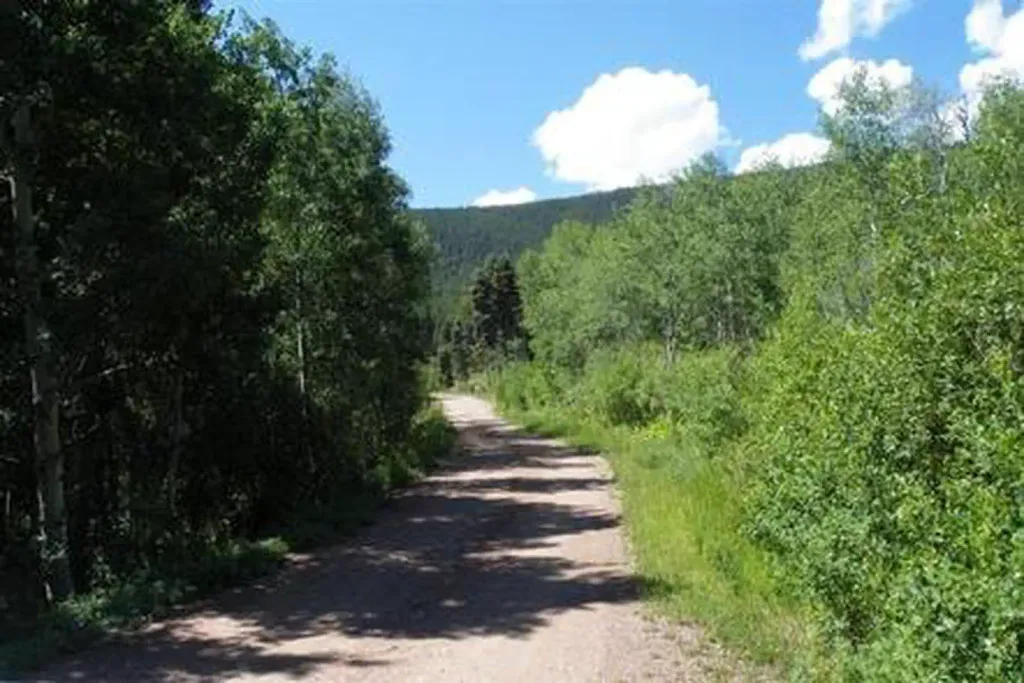 Photo: Recreation.gov (RIDB) / public domain
Camping
ALVARADO CAMPGROUND
WESTCLIFFE, Colorado
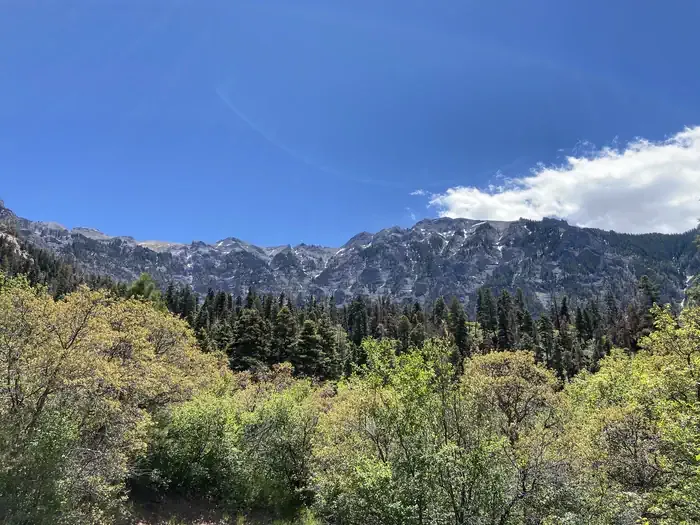 Photo: Recreation.gov (RIDB) / public domain
Camping
AMPHITHEATER (CO)
OURAY, Colorado
 Photo: Ken Lund from Las Vegas, Nevada, USA, CC BY-SA 2.0 (via Wikimedia Commons)
Camping
Ancient Cedar
Colorado
All spots · 200 of 1,233 spots
Camping
Sherriff Dam Camping / Fishing Area
Colorado
Camping
30 Mile Stock Unloading Area
Colorado
Camping
550 - 2
Colorado
Camping
Alamosa Campground
Colorado
Camping
Alder Guard Station
Colorado
Camping
Almont Campground
Colorado
Camping
Alpen Rose RV Park
Colorado
Camping
Alpine Plateau Camping Area
Colorado
Camping
ALPINE RANGER STATION
Colorado
Camping
Alvarado Campground
Colorado
Camping
America's Tent Lodges
Colorado
Camping
Amphitheater Campground
Colorado
Camping
Angel Creek Campground
Colorado
 Photo: Greg Willis from Denver, CO, usa, CC BY-SA 2.0 (via Wikimedia Commons)
Camping
Angel Creek Campground
Colorado
Camping
Angel of Shavano Campground
Colorado
Camping
ANGEL OF SHAVANO GROUP
SALIDA, Colorado
Camping
Ansel Watrous Campground
Colorado
Camping
Antone Spring Camping Area
Colorado
Camping
Antonito, CO
Colorado
Camping
Anvil Designated Camping Area
Colorado
Camping
Arapaho Bay Campground
Colorado
Camping
Arapaho National Recreation Area
Colorado
 Photo: Michael, CC BY 2.0 (via Wikimedia Commons)
Camping
Arapahoe Group Site
Colorado
 Photo: Jeffrey Beall, CC BY 4.0 (via Wikimedia Commons)
Camping
Arkansas Point Campground
Colorado
Colorado has over 1,500 campgrounds in the Roamze database, ranging from full-hookup RV parks like Tall Texan RV Park and KOA Alamosa to remote dispersed sites like Twin Lake Dispersed Camping Area and backcountry spots tucked into the San Juan and Flat Tops wilderness areas. That spread matters when you're planning, because camping in Colorado is not one experience — it's a dozen. You can pull into South Meadows in Pike-San Isabel National Forest for a quick front-range weekend, or commit to a longer haul out to Trappers Lake/Trapline Campground in the Flat Tops, where the road itself filters out the casual crowd. Elevations vary dramatically: Hanna Campground sits at 5,600 feet, which means mild summer nights, while higher-elevation sites near Gunnison — like Lake Fork Campground — can drop below freezing even in July. The San Luis Valley options, including Valley View Hot Springs, offer a completely different landscape: high desert, open sky, and far fewer trees for wind protection. Whether you want electric hookups, a cabin like Sandstone Cabin, or a pullout along a creek like North Fork Poudre Campground, the state has it. The challenge is knowing which type of site fits your trip, your rig, and the time of year you're going.
Frequently asked questions
When is the best time of year to camp in Colorado?
Late June through early September is the most reliable window for most mid- and high-elevation campgrounds, including spots near Gunnison like Lake Fork Campground, where snow can linger into June and return by October. Lower-elevation and desert sites in the San Luis Valley, like KOA Alamosa, extend that window on both ends — April and October camping there is very doable with the right gear.
Do I need a reservation, or can I show up and find a site?
It depends on the campground and the weekend. Developed sites like South Meadows in Pike-San Isabel National Forest near Colorado Springs fill up fast on summer weekends and holidays — reservations through Recreation.gov are strongly recommended. Dispersed areas like Twin Lake Dispersed Camping Area generally don't require reservations but do have stay limits, so check the specific forest or BLM unit rules before you go.
What gear do I actually need for Colorado camping that I might not think about?
A warm sleeping bag rated to at least 20°F is worth bringing even in summer — Hanna Campground at 5,600 feet can feel cold after dark, and higher sites are colder still. Sun protection matters more than most visitors expect at elevation, so pack it even if the forecast looks cloudy. If you're camping near water sources like Crazy Creek or North Fork Poudre Campground, a water filter is a practical addition.
Are there campgrounds in Colorado suitable for RVs and people who don't want to tent camp?
Yes. Tall Texan RV Park and KOA Alamosa are built for RVs with hookups and amenities. Sandstone Cabin offers a cabin option for those who want a roof without a tent. Many developed Forest Service campgrounds also accommodate trailers and smaller RVs, though sites at places like Burro Bridge Campground and Trappers Lake/Trapline Campground involve narrower access roads, so check length restrictions before you commit.
Are campfire restrictions common, and how do I find out before I arrive?
Fire restrictions are very common in Colorado, especially from mid-July through September during dry years, and they can change within days. Check the specific land management agency's website — USDA Forest Service, BLM, or Colorado Parks and Wildlife — for the unit covering your campground before you leave home. Campgrounds like Gold Creek Campground and Chimney View Campground fall under different jurisdictions, so there's no single source that covers the whole state.
Keep exploring — more campsites worth the drive
MAY QUEEN
~31 min drive
A worthwhile stop near Colorado.
 Photo: James St. John, CC BY 2.0 (via Wikimedia Commons)
Campsites GC 13
~37 min drive
Colorado campground offering scenic outdoor camping in a natural setting.
Difficult Group Campground
~11 min drive
Difficult Group Campground is a 30-site campground in Colorado managed by Forest Service.
Difficult Campground
~11 min drive
A worthwhile stop nearby.
Chapman Campground
~14 min drive
A worthwhile stop nearby.
Chapman Campground
~14 min drive
84-site Colorado campground with advance reservations for outdoor recreation.
Weller Campground
~14 min drive
A worthwhile stop nearby.
Weller Campground
~14 min drive
A worthwhile stop near Colorado.
Meredith
~15 min drive
A worthwhile stop near Montana.
Dearhamer Campground
~15 min drive
Dearhamer Campground has 65 sites in Colorado.
Dearhammer Campground
~15 min drive
A worthwhile stop nearby.
Chapman Group Campground
~15 min drive
Chapman Group Campground is a 75-site campground in Colorado managed by Forest Service.