

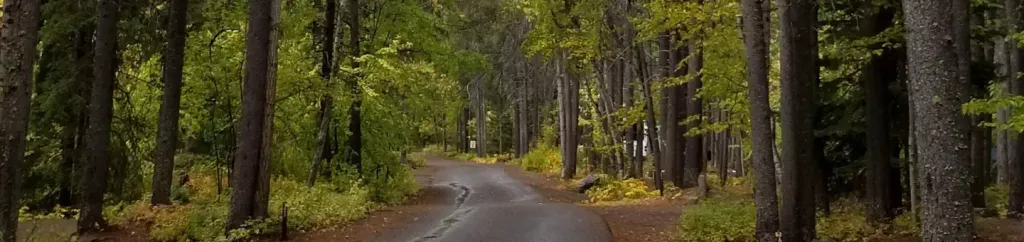
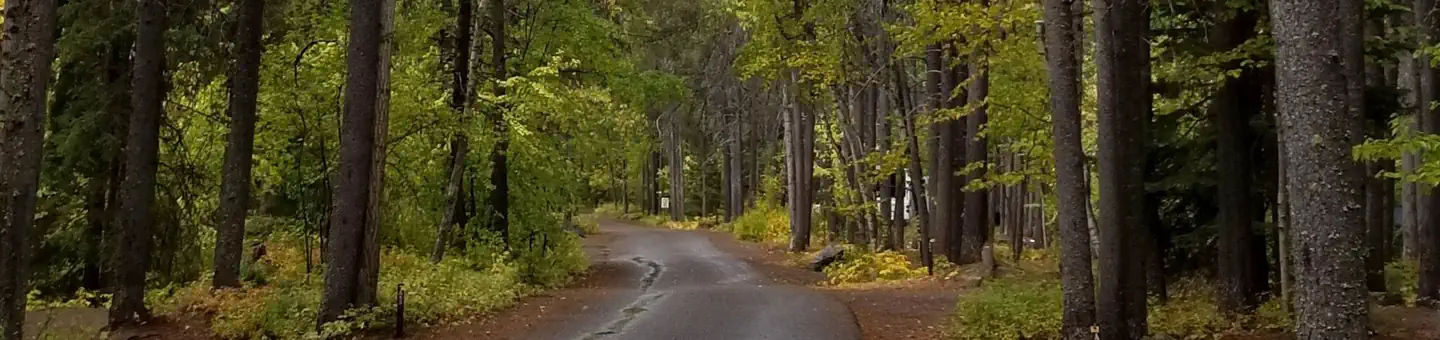
North American RV Park & Yurt Village
Hiking business nearby (~13 mi away) — hasn't claimed their Roamze page yet
Forest and Fire Nature Trail Fire Ecology
Free — you'll pick up right here.
Watch this trail
Sign up to watch it — saving subscribes you to gate, closure and report changes.
Montana
We won't guess. Here is exactly what we do and don't know.
What we do know
Inside Glacier National Park
National Park unit boundary is mapped — agency alerts for it feed this page automatically.
Boundary data
What's missing
No access route mapped
We don't yet know which road reaches this trailhead, so we can't tell you if it's gated.
Nobody's filed a report here yet — be the first.
Forest and Fire Nature Trail Fire Ecology
AI-suggested draft · review before you go
No elevation data on file for this trail.
This trail is a great place to explore a post-fire environment. Any disturbance—whether that’s a fire, an avalanche, a landslide, or a pest outbreak—resets the ecological clock. The mature trees die, opening the canopy to light and making way for new species to take hold. Gradually, the new forest matures—this is called ecological succession. Fire is unique because it favors certain species to grow back. As you hike, look for pink fireweed and other wildflowers that reseed an area after a fire. Beargrass, which is a small grassy tuft with a tall, white, Dr. Seuss-like flower, easily resprouts from its roots after a burn. If you’re here in the fall, keep an eye out for larch trees—they look like evergreens, but their needles turn bright golden in October and November. Their thick bark helps mature trees survive a fire when other trees may not. Afterward, their tiny wind-blown seeds shower across the burned area, planting thousands of new larch trees. This area burned in 1926, in 1967, and in 2001—relatively short intervals for a cool, wet place like Glacier. Learn more about how our forests are responding to more frequent fires in an episode of Glacier’s podcast, Headwaters. The episode is called “Climate and the Future of Forests” and features an interview with Dr. Tyler Hoecker. You can find the episode on glacier.org/headwaters, or wherever you get your podcasts.
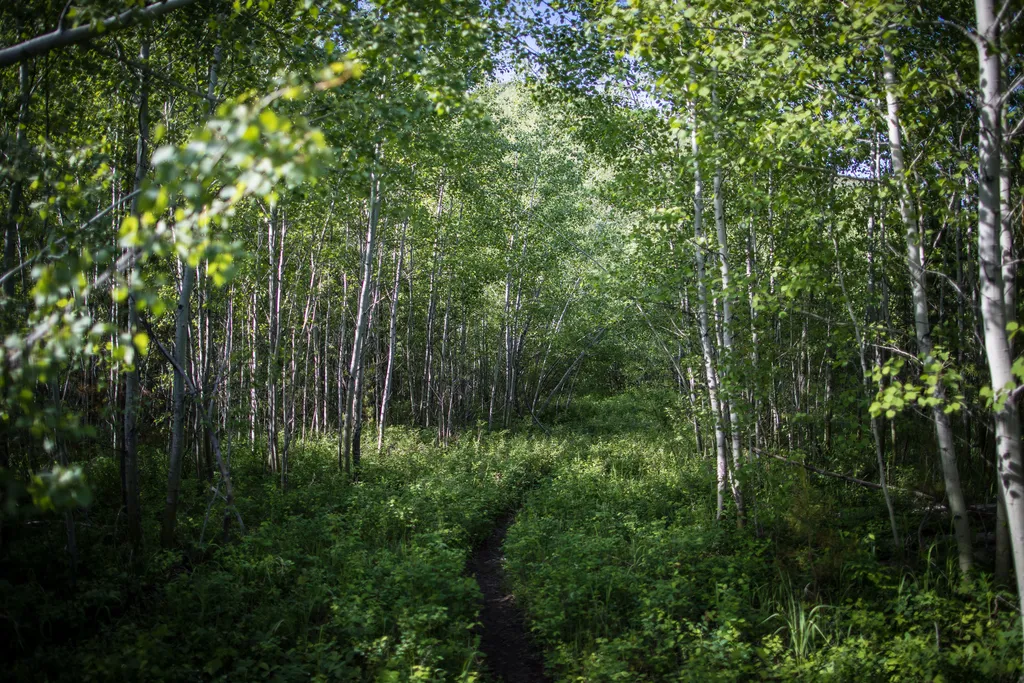
Forest and Fire Nature Trail
~0 min drive
Welcome to the Forest & Fire Nature Trail. Depending on where you’re from, the word “wildfire” can be letters on a page or... a whole lot more. For some, the word “wildfire” can trigger dramatic and visceral recall of the sights, sounds, smells, and tastes of the earth on fir…
Du Hein
~4 min drive
Easy 3-mile walk with minimal elevation gain near Du Hein.
Glacier View Mtn.
~5 min drive
Moderate 5.65-mile climb to alpine views with 1,737 ft elevation gain.
Kinnimiki Creek
~14 min drive
Moderate creek-side trail with steady elevation gain through Montana backcountry.
Avalanche Creek
~25 min drive
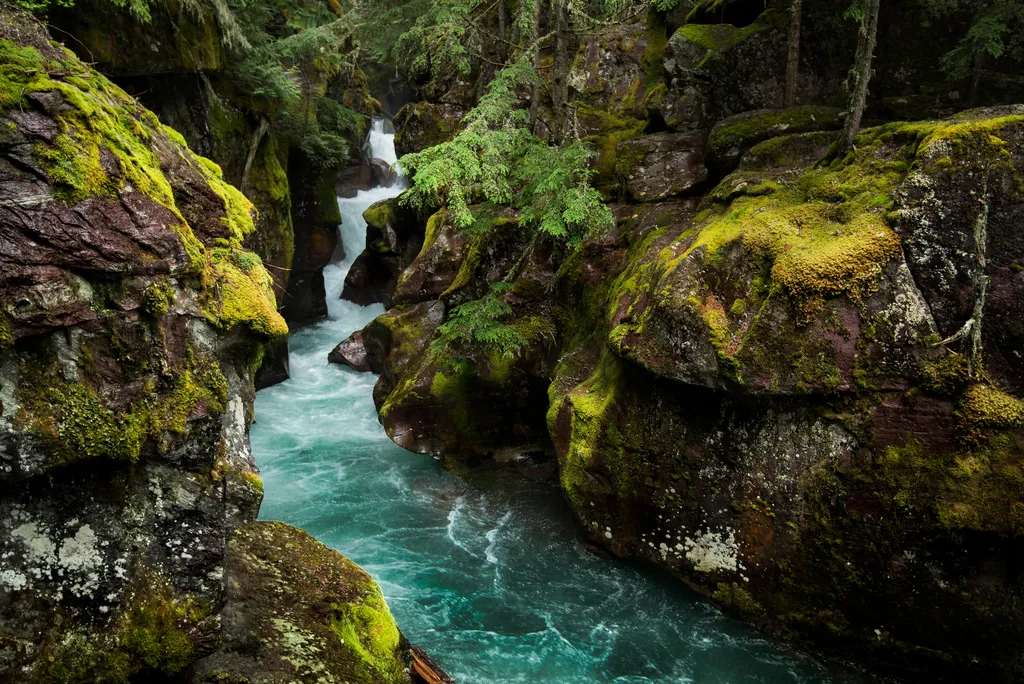
Home to two of the Glacier's iconic trails, the Avalanche Creek area is one of the most popular and crowded spots in the park. The old growth cedars and hemlock trees are unlike anywhere else in the Glacier. Enjoy the picnic area, a short boardwalk trail, or a moderate hike t…
Deadhorse-Elelehum
~13 min drive
Scenic 5.5-mile Montana day hike with minimal elevation gain.
Kimmerly Creek
~13 min drive
Steep creek drainage hike with 2,100 ft gain near Kimmerly Creek, Montana.
Skookoleel Creek
~14 min drive
Moderate creek-side hike with steady climbing and scenic drainage views.
Numa Lookout Trailhead
~25 min drive
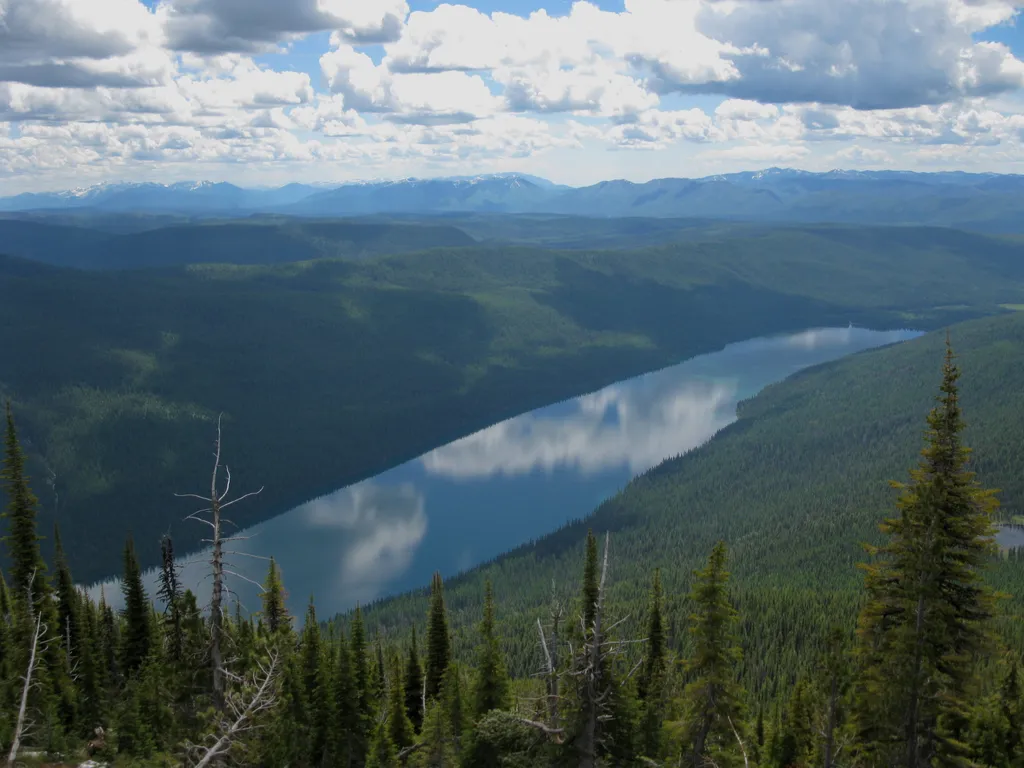
This trail takes you to one of the (seasonally) staffed fire lookouts in the park. It starts on the shore of Bowman Lake, with the first half remaining relatively flat before gaining elevation. Numa Lookout Distance: 5.7 mi (9.2 km), one way Elevation gain: 3,396 ft (1035 m)…
Moose Peak
~21 min drive
Moderate 5.5-mile peak hike with 1,821 ft gain and mountain views.
Local operatorsoffering guided trips. You book directly with them — Roamze doesn’t take a cut.
North American RV Park & Yurt Village
Hiking business nearby (~13 mi away) — hasn't claimed their Roamze page yet
Rocky Mountain Outfitter
Hiking business nearby (~30 mi away) — hasn't claimed their Roamze page yet
Indian Springs Montana
Hiking business nearby (~47 mi away) — hasn't claimed their Roamze page yet