Lower Tier
Near Lake Lure
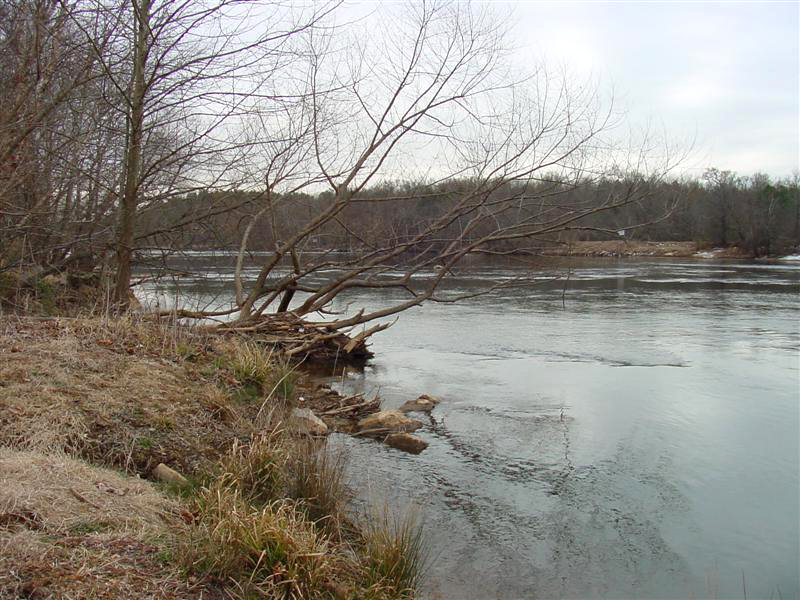
 Photo: bobistraveling, CC BY 2.0 (via Wikimedia Commons)
- 21 routes
- 5.7 – 5.12a
- Trad · Sport · Bouldering
Best time to visit Lower Tier
Best months: May and September–October. Best months have typical highs of 55–85 °F, lows of 30 °F or warmer (32 °F where the station doesn't record snow), at most one snowy day and no more than 12 wet days.
Jan
41° / 25°
13 wet · 6 snow
Feb
44° / 27°
12 wet · 5 snow
Mar
52° / 33°
13 wet · 5 snow
Apr
62° / 42°
12 wet · 2 snow
May
69° / 50°
12 wet
Jun
73° / 57°
14 wet
Jul
76° / 61°
14 wet
Aug
75° / 59°
13 wet
Sep
70° / 54°
10 wet
Oct
61° / 44°
9 wet
Nov
52° / 34°
10 wet · 2 snow
Dec
44° / 28°
12 wet · 5 snow
Typical high / low (°F) and days with rain or snow, 1991–2020. Measured at Swannanoa 2 Sse, NC, 10.8 mi away at 4,320 ft. The station sits about 1,100 ft higher than this place, so expect it a little warmer here. Source: NOAA NCEI U.S. Climate Normals 1991–2020.
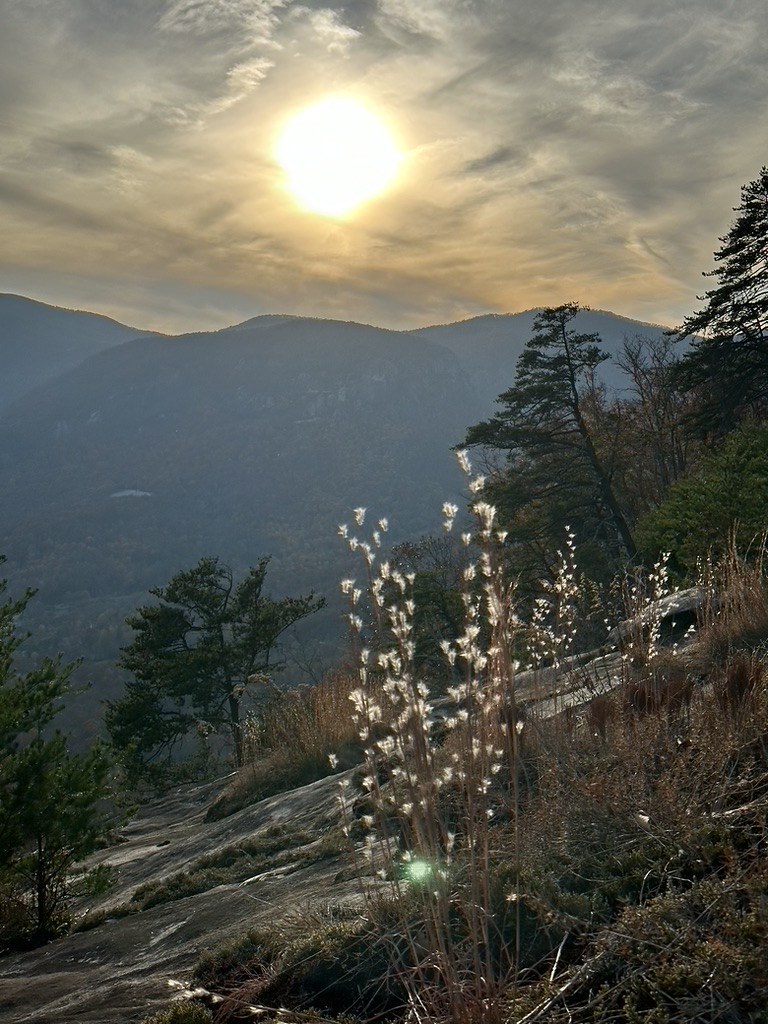
Lower Tier is a climbing area in North Carolina, about 1.3 miles from the town of Shumont. The place is a cluster of rock and trails that sit within easy reach of one another. Weed Patch Mountain Trail and North Eagle are each about 0.1 mile away, and Rumbling Bald Ridgeline is the same distance off. That makes it easy to pair a day of climbing with a hike. The climbing here is a mix of trad, sport and bouldering. There are 21 routes in total, and the YDS grades run from 5.7 up to 5.12a. Bleeding Heart is the easiest at 5.7, and MTV (More Than Vertical) is the hardest at 5.12a. Poet's Return is a 5.10a trad route, and Formless and Void is a 5.9- trad route first climbed by Keith Wood and Steve Donnini. Spring and fall are the most comfortable seasons. Typical averages from a nearby weather station run highs around 69°F in May and 70°F in September. That station sits about 1,050 feet lower than the area, so temperatures on the rock run cooler.
Routes (21)
Keep exploring — more climbs worth the drive
Photo: bobistraveling, CC BY 2.0 (via Wikimedia Commons)Eagle Rock
~1 min drive
Eagle Rock in North Carolina has 3 bouldering routes.
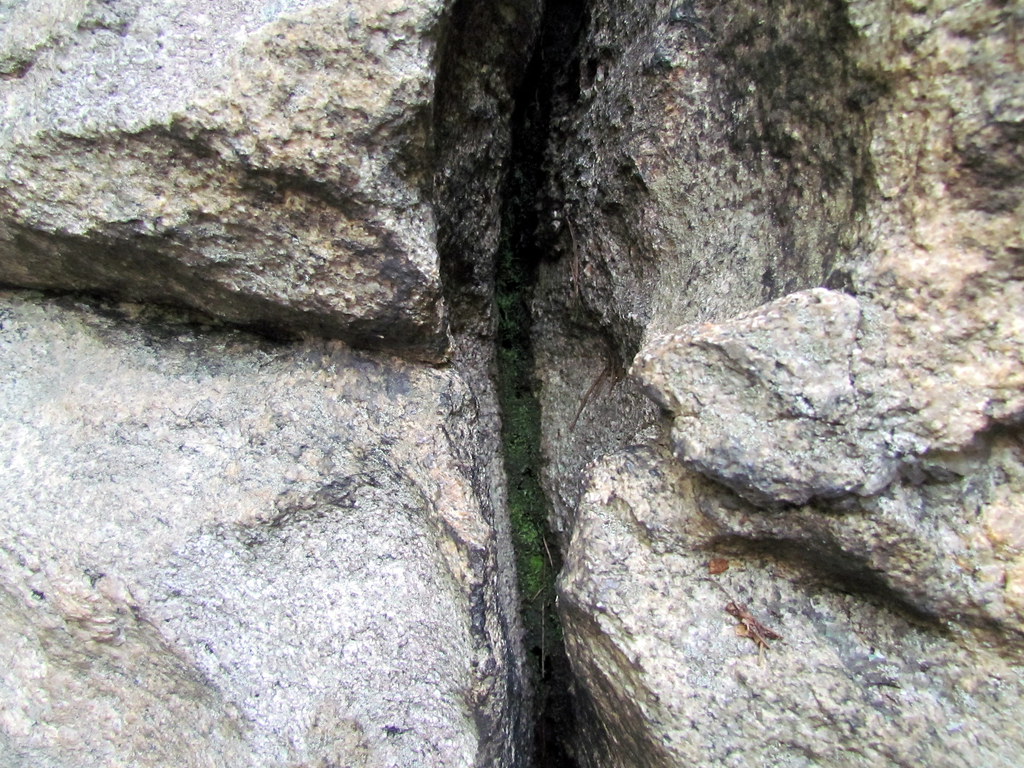 Photo: bobistraveling, CC BY 2.0 (via Flickr)
Tail of the Cat Area
~3 min drive
Tail of the Cat Area in North Carolina has 8 climbing routes across 6 grades, offering mixed and traditional climbing.
 Photo: bobistraveling, CC BY 2.0 (via Flickr)
Family Wall
~4 min drive
Family Wall in North Carolina has 13 routes across 8 grades, offering mixed, sport, and trad climbing.
Photo: bobistraveling, CC BY 2.0 (via Flickr)Lakeview Area
~4 min drive
Lakeview Area in North Carolina has 12 climbing routes across 7 difficulty grades.
Photo: bobistraveling, CC BY 2.0 (via Flickr)Rumbling Bald Bouldering
~4 min drive
Granite bouldering area in North Carolina's mountains with problems for all levels.
North Eagle
~0 min drive
North Eagle in North Carolina has 9 climbing routes with mixed, sport, and trad styles.
Hanging Chain
~2 min drive
Hanging Chain in North Carolina has 25 climbing routes across 18 grades.
The Cougar Crag
~3 min drive
Cougar Crag in North Carolina has 9 trad routes across 7 difficulty grades.
Hull Area
~3 min drive
15-route bouldering crag in North Carolina with 9 difficulty grades.
Flakeview Area
~3 min drive
Flakeview Area in North Carolina has 16 climbing routes across 13 grades.