Loading…

Free — you'll pick up right here.
Watch this trail
Sign up to watch it — saving subscribes you to gate, closure and report changes.
Montana
0.3 mi
Distance
13 ft
Gain
7 min
Time
We won't guess. Here is exactly what we do and don't know.
What we do know
Inside Yellowstone National Park
National Park unit boundary is mapped — agency alerts for it feed this page automatically.
Boundary data
What's missing
No access route mapped
We don't yet know which road reaches this trailhead, so we can't tell you if it's gated.
Nobody's filed a report here yet — be the first.
Why you'll love it
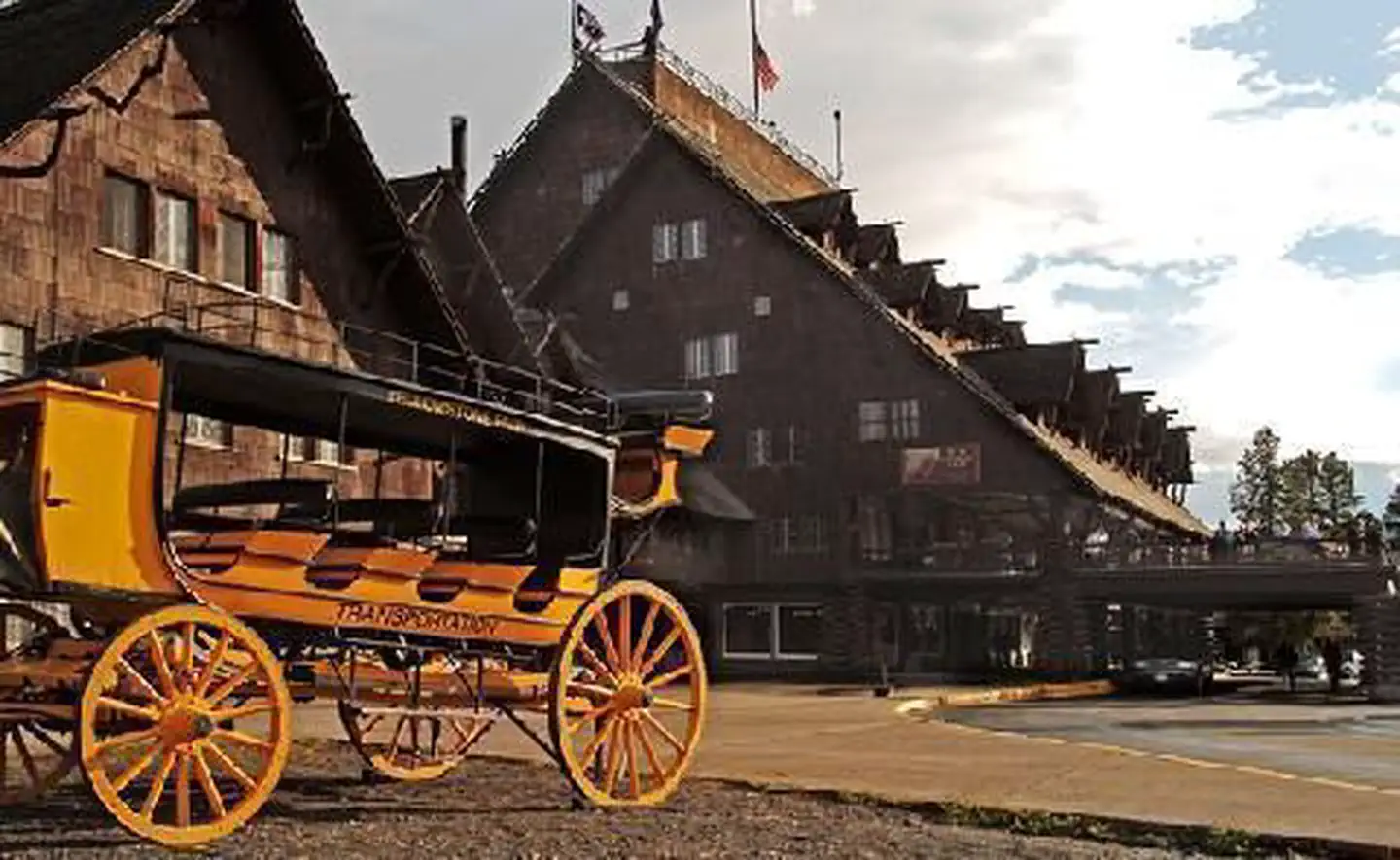
Midway Geyser Basin Trailhead
AI-suggested draft · review before you go
Midway Geyser Basin is small but spectacular. Excelsior Geyser is a 200 x 300 foot crater that constantly discharges more than 4,000 gallons of water per minute into the Firehole River. Grand Prismatic Spring, Yellowstone’s largest hot spring, is 200–330 feet in diameter and more than 121 feet deep. Hot Springs Hot springs are the most common hydrothermal features in Yellowstone. Their plumbing has no constrictions. Superheated water cools as it reaches the surface, sinks, and is replaced by hotter water from below. This circulation prevents water from reaching the temperature needed to set off an eruption. Color and Heat Lovers Hydrothermal features are also habitats in which microscopic organisms survive and thrive. They are called thermophiles: "thermo" for heat and "phile" for lover. Although they are too small to be seen with the naked eye, trillions are grouped together and appear as masses of color. They are nourished by energy and chemical building blocks. Colorless and yellow thermophiles grow in the hottest water. Orange, brown, and green thermophiles grow in cooler waters. Imagine living in near-boiling temperatures, in hydrothermal features with the alkalinity of baking soda, or in water so acidic that it can burn holes in clothing. Microorganisms in Yellowstone need these extremes to survive. Geysers Geysers have constrictions in their plumbing systems that prevent water from moving freely to the surface where heat would escape. Water beneath the constrictions creates a buildup of steam. Eventually the steam pushes water past the constrictions and the geyser erupts. Accessibility Wheelchair-accessible parking, boardwalk, and restrooms. Use Caution in Hydrothermal Areas Stay on boardwalks and designated trails. Hydrothermal water can severely burn you. Never run, push, or shove. Supervise children at all times. Do not scratch hydrothermal mats. You are responsible for your safety. Think safety, act safely. Yellowstone is a dangerous place.
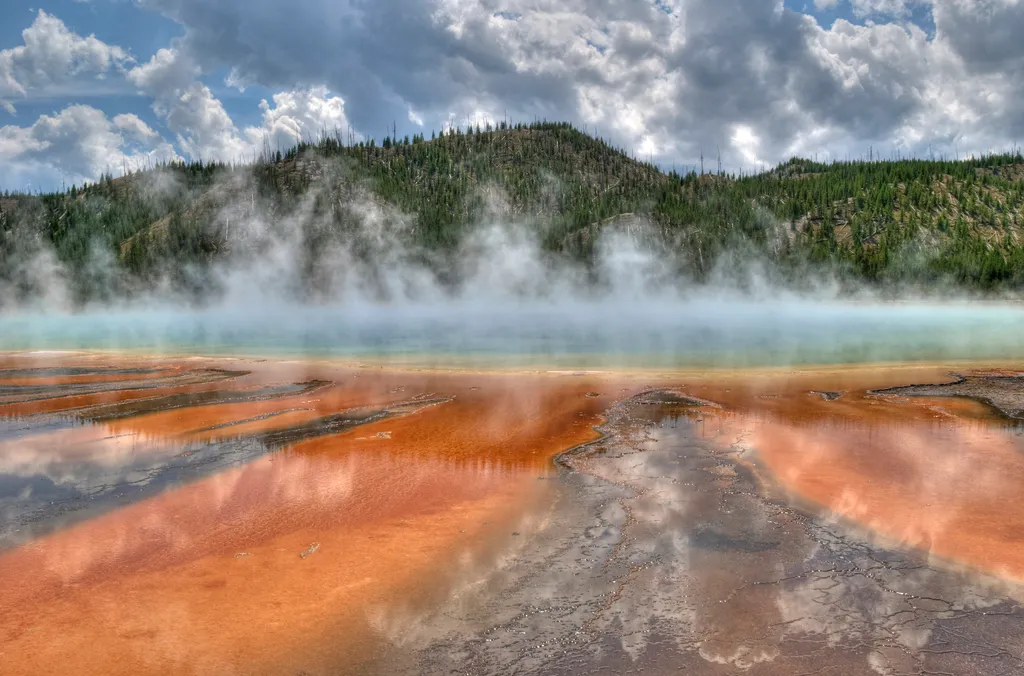
Grand Prismatic Spring
~0 min drive
<p>Grand Prismatic Spring, Yellowstone’s largest hot spring, is 200-330 feet in diameter and more than 121 feet deep.</p> <p>Limited parking, especially 10 am-6 pm. Located in Midway Geyser Basin.</p> <h2>Hot Springs</h2> <p>Hot springs are the most common hydrothermal feature…

Fairy Falls Trail
~1 min drive
15 mi · Hard
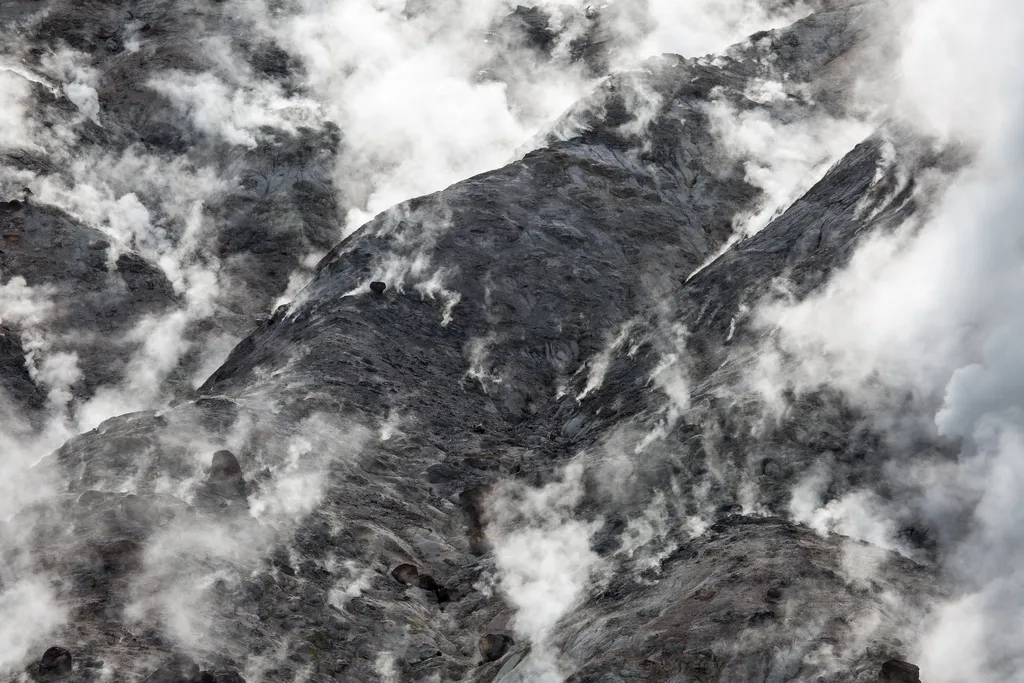
Fumaroles
~4 min drive
<p>The hiss and roar of a fumarole comes from gases—steam, carbon dioxide, and a little hydrogen sulfide—rushing from the ground through the vent. Its plumbing reaches down into the hot rock masses, but contains very little water. When water contacts the hot rock, it flashes i…

Purple Mountain Trail
~14 min drive
6.7 mi · Moderate
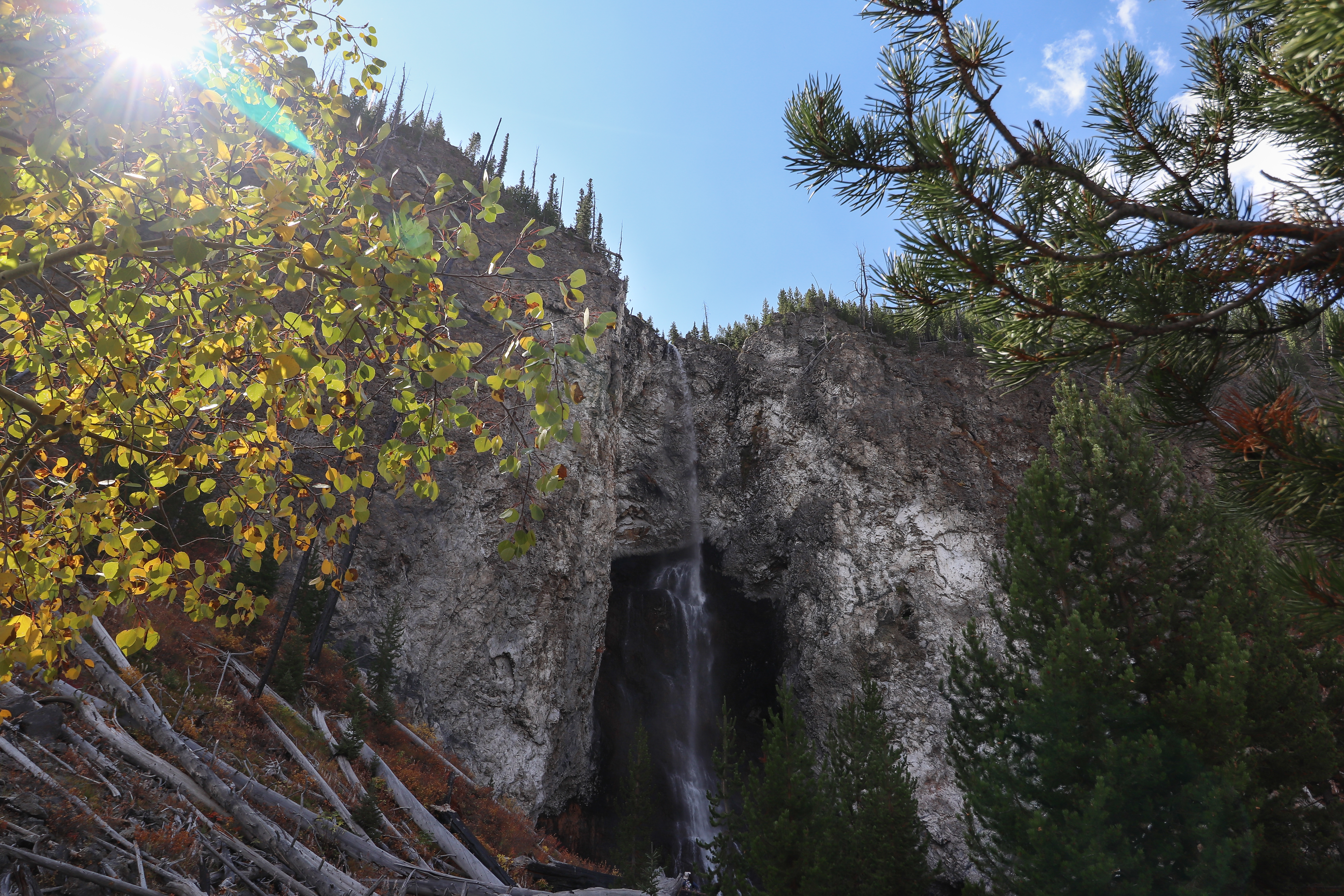
Fairy Falls Trailhead (OK5)
~1 min drive
This trailhead provides access to the following trails: Grand Prismatic Overlook Trail Fairy Falls Trail Grand Prismatic Overlook Trail An easy 1.2-mile (1.9-km) hike that gradually climbs 105 feet over 0.6 miles from the Fairy Falls Trailhead to a view looking down on Gra…

Howard Eaton Trail
~28 min drive
22 mi · Hard
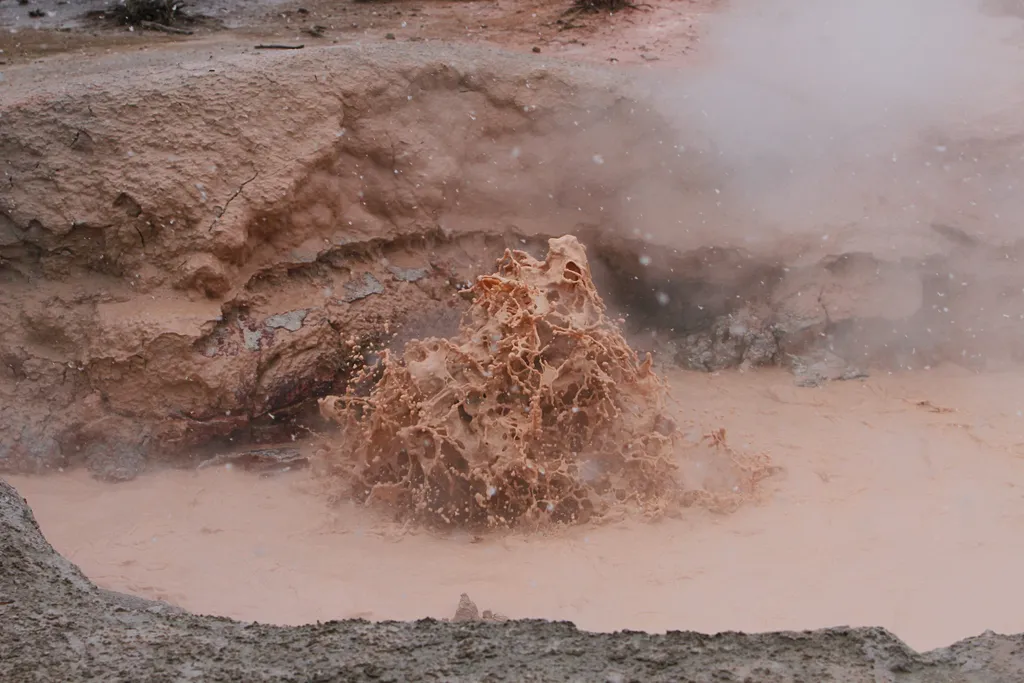
Red Spouter
~4 min drive
<p>Red Spouter formed as a direct result of the 1959 Hebgen Lake Earthquake. A vent opened up in this spot, which then turned into a mudpot. This hydrothermal feature does change seasonally, depending on the height of the water table beneath the surface. When the water table i…
Boundary Trail (Xc)
~28 min drive
Moderate 4.58-mile cross-country backcountry route through Montana wilderness.

Harlequin Lake Trail
~14 min drive
1.0 mi · Easy
Whiskey (Snowmo)
~27 min drive
Moderate 11.22-mile snowmobile trail with gentle elevation gain through Montana backcountry.