Free — you'll pick up right here.
Watch this water
Sign up to watch it — saving subscribes you to gate, closure and report changes.
Arizona
Mount Trumbull Wilderness Area
No verdict for this water
We won't guess. Here is exactly what we do and don't know.
What we do know
Inside Mount Trumbull Wilderness
Wilderness area boundary is mapped — agency alerts for it feed this page automatically.
Boundary data
What's missing
No access route mapped
We don't yet know which road reaches this trailhead, so we can't tell you if it's gated.
Nobody's filed a report here yet — be the first.
Why you'll love it
Here's your day on the water, mapped
Mount Trumbull Wilderness Area
AI-suggested draft · review before you go
Gear for the day
Photos
Directions & GPX
About this water
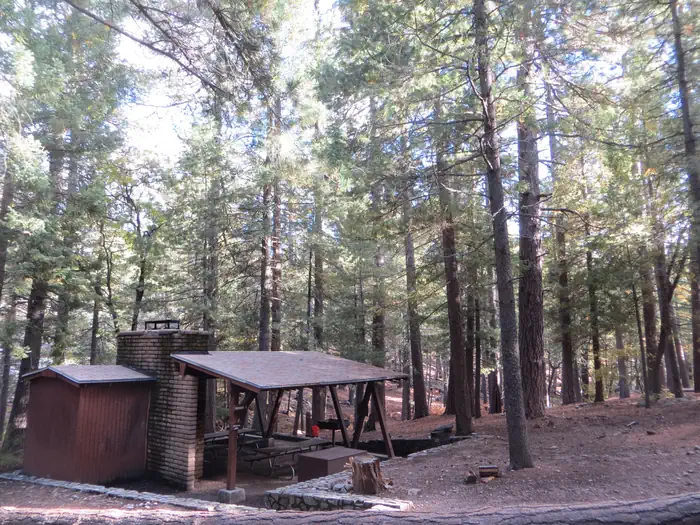
The 7,880-acre Mount Trumbull Wilderness Area is 40 miles south of Colorado City, Arizona, just north of the Grand Canyon in Mohave County. It is located within the Grand Canyon-Parashant National Monument, which is jointly managed by the Bureau of Land Management and the National Park Service.Located at the southern end of the Uinkaret Plateau and part of the Uinkaret Mountains, Mt. Trumbull is a large, basalt-capped mesa with slopes dominated by pinyon pine and juniper trees interspersed with groves of aspen and Gambel oak. The summit or the plateau is covered with ponderosa pine. These vegetation communities provide homes for mule deer, wild turkey, and the Kaibab squirrel. In wilderness, you can enjoy challenging recreational activities and extraordinary opportunities for solitude. Recreation opportunities include day hiking, watching and hunting wildlife, and photography.The strenuous, 5.1-mile round trip Mt. Trumbull summit trail provides exceptional views over a vast region including the Toroweap Valley, the Grand Canyon, the Kaibab Plateau, the western Vermilion Cliffs, and the Pine Valley Mountains. The trailhead is located on Mohave County Road 5. The trailhead and vault toilet are next to the intersection with BLM road 1044.When exploring this unique area, please follow all posted regulations and embrace the seven Leave No Trace principles to help preserve its natural beauty and the exceptional recreation experiences it offers. Keep in mind that applying the seven Leave No Trace principles may vary — what works in a desert may differ from what's best in mountainous terrain.Motorized equipment and equipment used for mechanical transport are prohibited on all federal lands designated as wilderness. This includes the use of motor vehicles (including OHVs), motorboats, bicycles, hang gliders, wagons, carts, portage wheels, and the landing of aircraft including helicopters and drones. Contact the agency for more information about regulations.
Add to a trip & share
Keep exploring — more waters worth the drive
Mount Logan Wilderness Area
~13 min drive
A worthwhile stop near Arizona.
Death Valley Lake
~13 min drive
A worthwhile stop near Arizona.
National Tank
~55 min drive
A worthwhile stop near Arizona.
Number Eleven Tank
~1h 17m drive
A worthwhile stop near Arizona.
Paiute Wilderness Area
~1h 21m drive
A worthwhile stop near Arizona.