Loading…

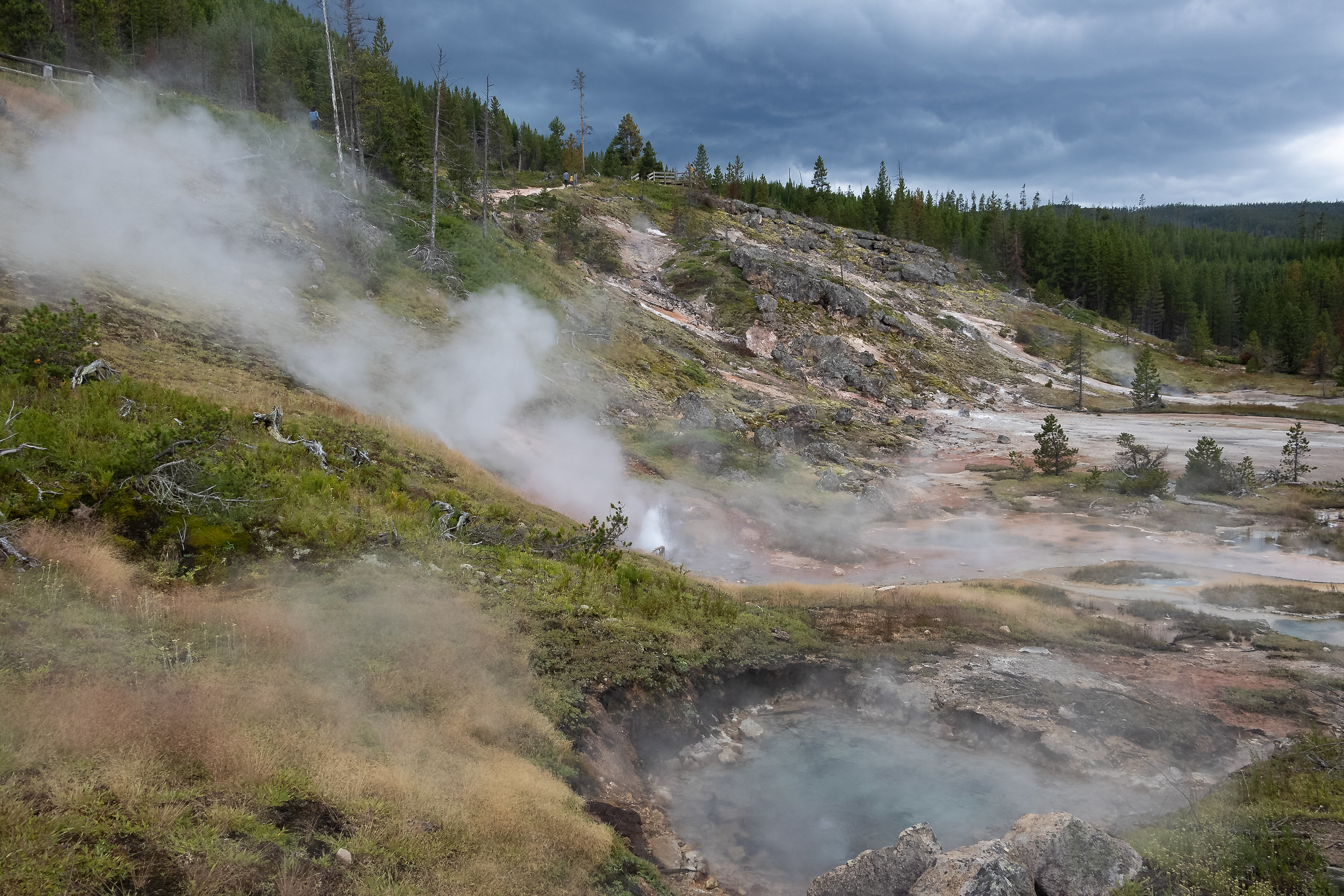
Fumaroles in Porcelain Basin
Free — you'll pick up right here.
Watch this trail
Sign up to watch it — saving subscribes you to gate, closure and report changes.
Wyoming
We won't guess. Here is exactly what we do and don't know.
What we do know
Inside Yellowstone National Park
National Park unit boundary is mapped — agency alerts for it feed this page automatically.
Boundary data
What's missing
No access route mapped
We don't yet know which road reaches this trailhead, so we can't tell you if it's gated.
Nobody's filed a report here yet — be the first.
Fumaroles in Porcelain Basin
AI-suggested draft · review before you go
No elevation data on file for this trail.
Hurricane Vent, nearby, was once a steamy, noisy fumarole. It has also been boiling and full of steam, with a small waterfall on the far side. Fumaroles Fumaroles or steam vents, are the hottest hydrothermal features in the park. The limited amount of water flashes into steam before reaching the surface. The result is a loud hissing of steam and gases. Color and Heat Lovers Hydrothermal features are also habitats in which microscopic organisms survive and thrive. They are called thermophiles: "thermo" for heat and "phile" for lover. Although they are too small to be seen with the naked eye, trillions are grouped together and appear as masses of color. They are nourished by energy and chemical building blocks. Colorless and yellow thermophiles grow in the hottest water. Orange, brown, and green thermophiles grow in cooler waters. Imagine living in near-boiling temperatures, in hydrothermal features with the alkalinity of baking soda, or in water so acidic that it can burn holes in clothing. Microorganisms in Yellowstone need these extremes to survive. Norris Geyser Basin Norris Geyser Basin is one of the hottest and most acidic of Yellowstone’s hydrothermal areas. It is outside of the most recent Yellowstone caldera, but inside the first and largest caldera. It sits on the intersection of three major faults and is a very active earthquake area. Each year, new hot springs and geysers appear while others become dormant. Geologic events trigger many of these changes. Even small earthquakes can alter hydrothermal behavior. This sudden activity is known as a “thermal disturbance” and can last a few days, or more than a week. Gradually, most features return to “normal.” No one fully understands why this happens. Norris has the greatest water chemistry diversity among Yellowstone’s hydrothermal areas. The water chemistry changes as the water levels of underground hot water reservoirs fluctuates. Although Norris is known for its acid features, it also have alkaline hot springs and geysers. As underground water and chemistry shift suddenly, they could contribute to dramatic changes in minerals and pH. Use Caution in Hydrothermal Areas Stay on boardwalks and designated trails. Hydrothermal water can severely burn you. Never run, push, or shove. Supervise children at all times. Do not scratch hydrothermal mats. You are responsible for your safety. Think safety, act safely. Yellowstone is a dangerous place.
Artists Paintpots Trail
~5 min drive
This is a one-mile (1.6 km) trail that enters a partially burned lodgepole pine forest, then winds across a wet meadow on a boardwalk. This trail is a short loop. The hydrothermal area has colorful hot springs, mudpots, and small geysers. Watch out for flying mud. Stay on th…
Lodgepole Pines
~5 min drive
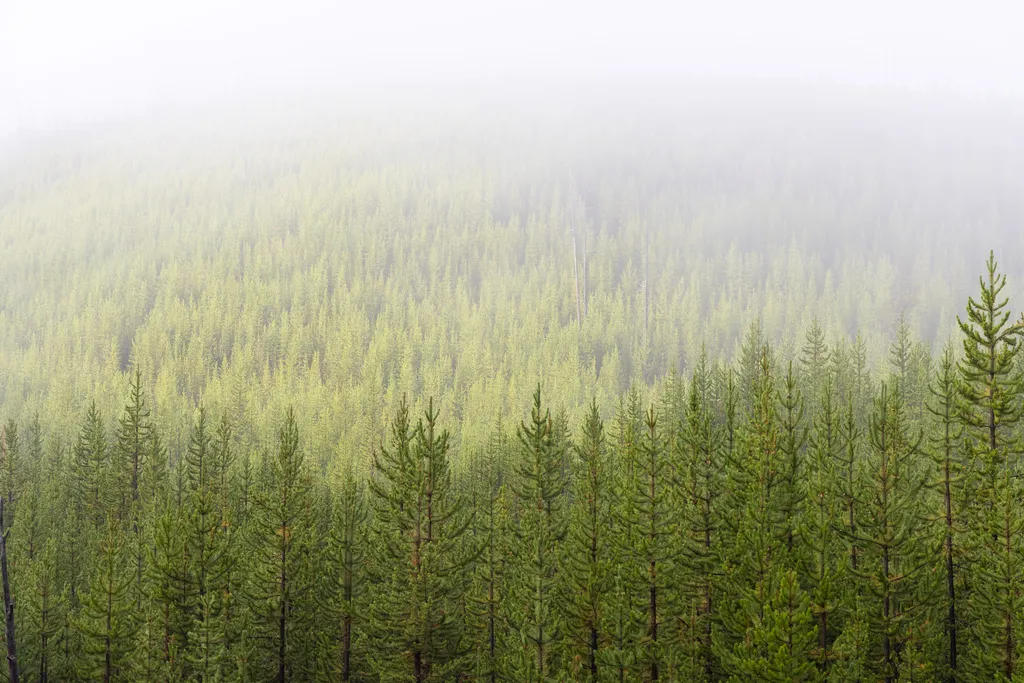
<p>Forests cover roughly 80% of Yellowstone and lodgepole pine comprises nearly all of that canopy.</p> <p>Some American Indian tribes used this tree to make the frames of their tipis or lodges, hence the name “lodgepole” pine. The log walls of the Old Faithful Inn are made wi…

Howard Eaton Trail
~6 min drive
22 mi · Hard

Purple Mountain Trail
~16 min drive
6.7 mi · Moderate
North Rim Restrooms
~17 min drive
0.3 mi · Easy
Willow Park Vault Toilet
~16 min drive
A worthwhile stop near Wyoming.

Mount Washburn Spur Trail
~19 min drive
17 mi · Hard

Observation Peak Trail
~18 min drive
9.4 mi · Moderate
Cascade Lake Trailhead (4K5)
~18 min drive
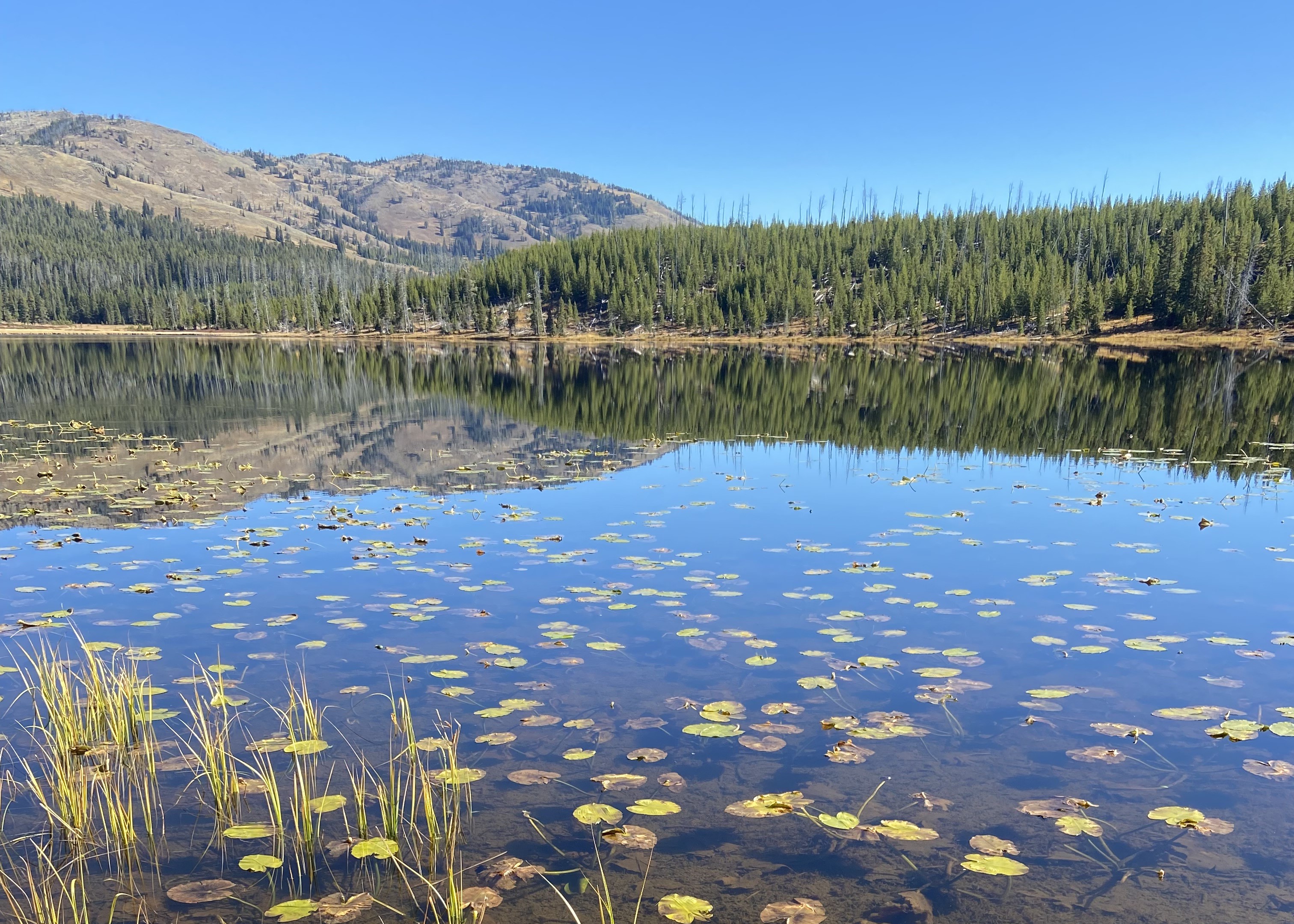
From this trailhead you can embark on the following trails: Cascade Lake Trail Observation Peak Trail There is a dedicated parking lot at this trailhead. The nearest restrooms are location to the east at the Cascade Lake Picnic Area. Cascade Lake Trail A moderate 4.4-mile…
Madison Junction
~17 min drive
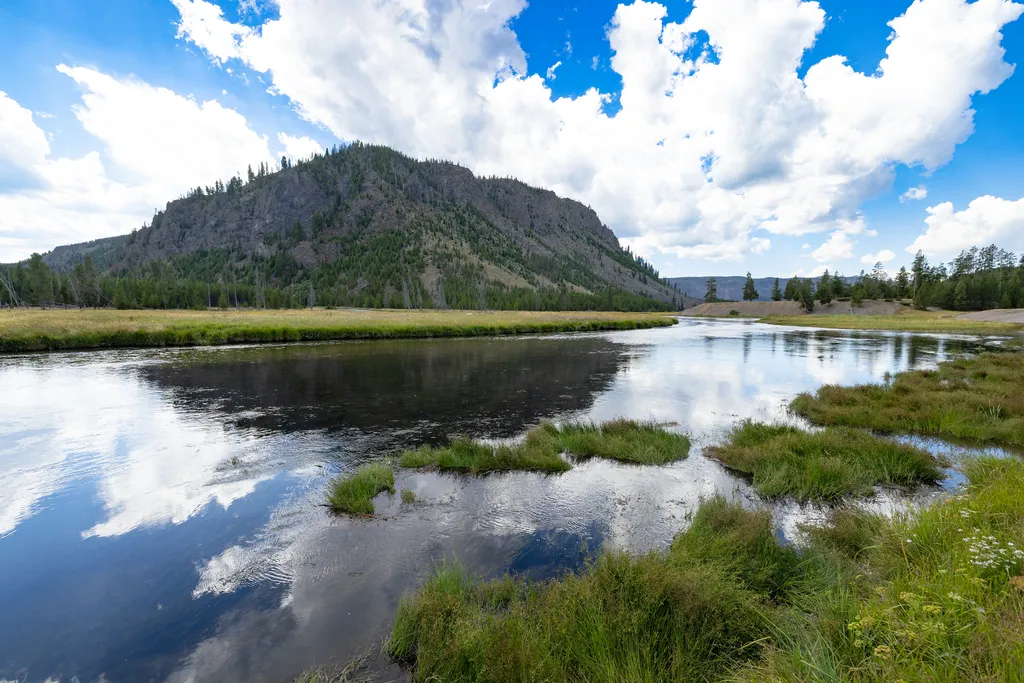
<p>At Madison Junction, the Gibbon River joins the Firehole River to form the Madison River.</p> <p>The Gibbon River flows from Grebe Lake through the Norris area to Madison Junction. The Firehole River starts south of Old Faithful and flows through the park’s major hydrotherm…
