

Turquoise Trail Campground
Hiking business nearby (~44 mi away) — hasn't claimed their Roamze page yet
Falls Trail Tour - Stop 5
Free — you'll pick up right here.
Watch this trail
Sign up to watch it — saving subscribes you to gate, closure and report changes.
New Mexico
We won't guess. Here is exactly what we do and don't know.
What we do know
Inside Bandelier National Monument
National Park unit boundary is mapped — agency alerts for it feed this page automatically.
Boundary data
What's missing
No access route mapped
We don't yet know which road reaches this trailhead, so we can't tell you if it's gated.
Nobody's filed a report here yet — be the first.
Falls Trail Tour - Stop 5
AI-suggested draft · review before you go
No elevation data on file for this trail.
No permit or access details on file for this trail — check with the local land manager before you go.
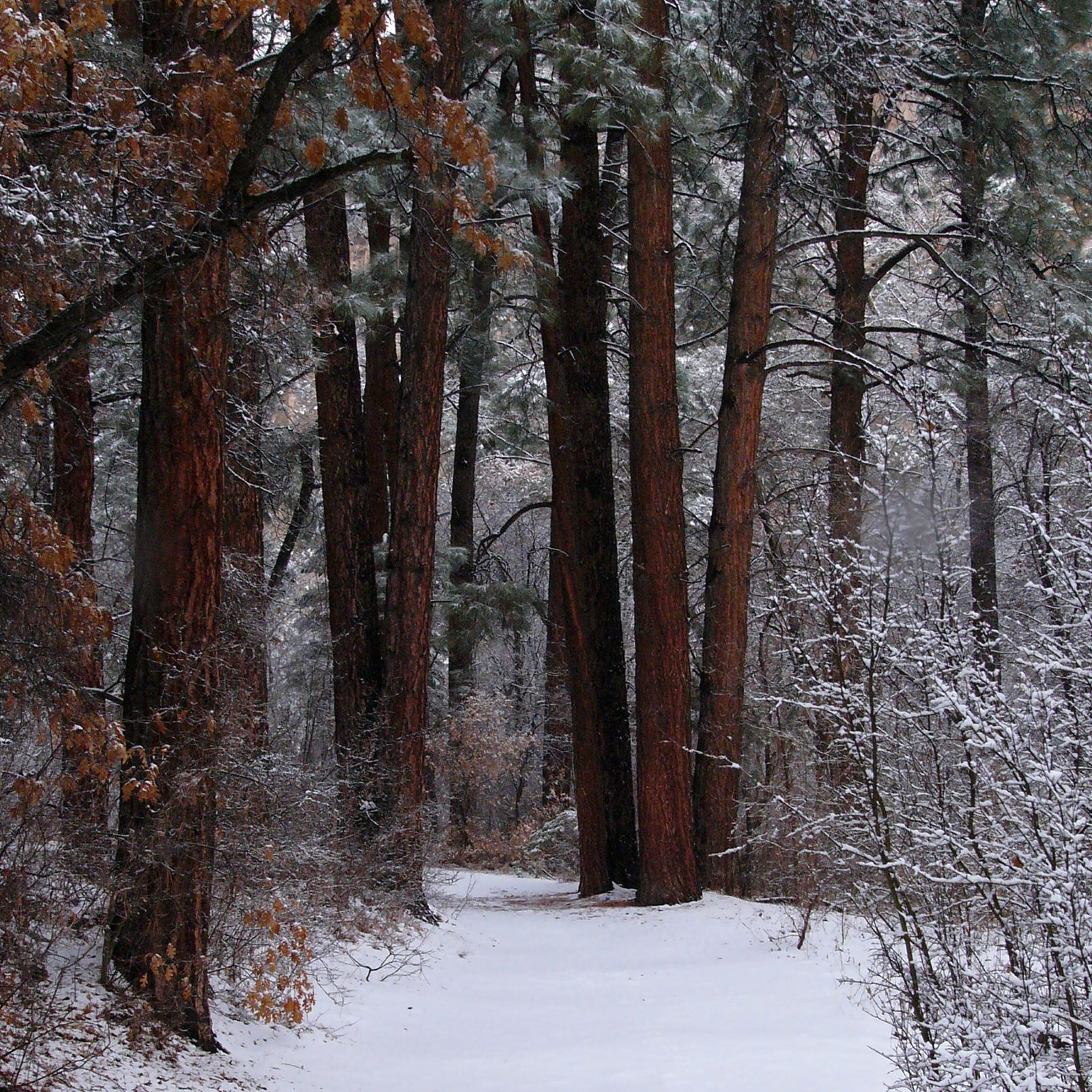
<p>Here you can see tuff formations called tent rocks. These form when a more durable material shields portions of the softer rock from erosion. This coating can form in a variety of ways, and several of these types can be seen in Frijoles Canyon. Escaping vapor can heat the rocks, causing some particles to weld together more firmly. Alternatively, gases may contain minerals that, when precipitated, form cement between particles. Groundwater can also deposit minerals that form a resistant covering. In some places, a cap of more resistant stone protects the softer rock, creating the tent-shaped remnants.</p>
Falls Trail Tour - Stop 6
~0 min drive
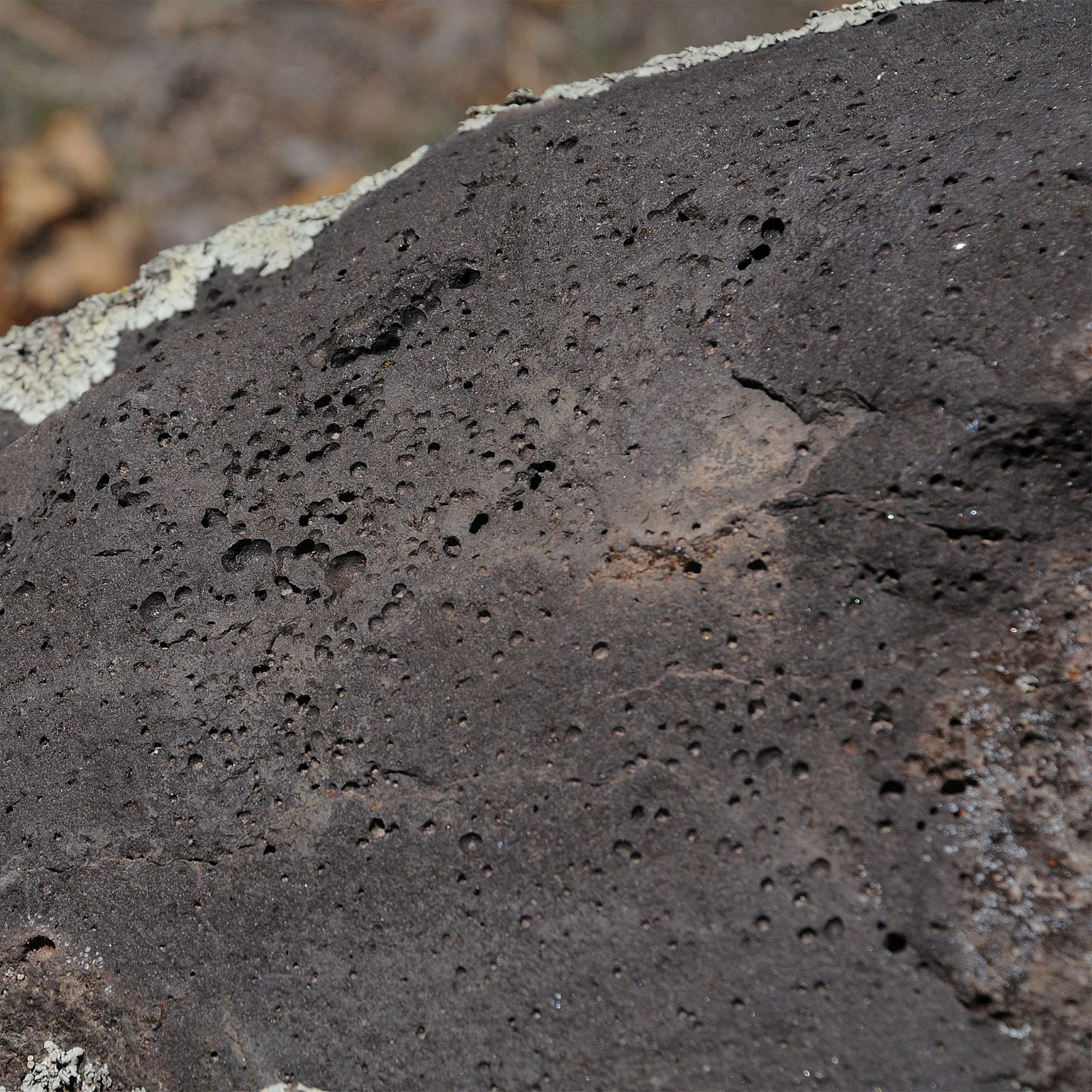
<p>Frijoles Creek begins in springs on the rim of the Valles Caldera, some 4,000 feet above this spot. Melting snow and summer rain adds to the flow. The creek used to flow year-round in this area. However, after major flash floods in 2011 and 2013, it often runs dry at this l…
Falls Trail Tour - Stop 3
~0 min drive
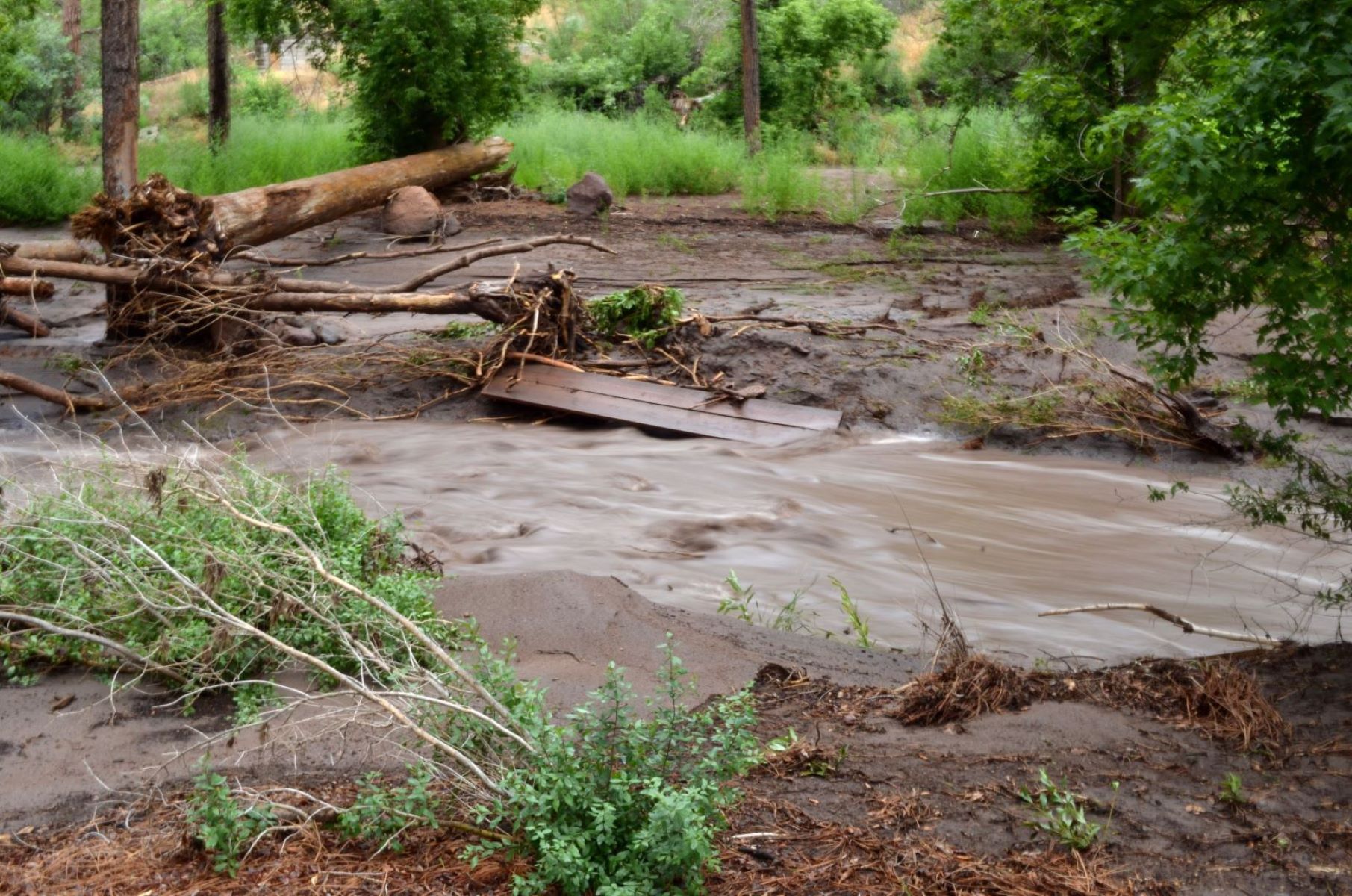
<p>This is a geologically active area, and the Jemez Volcano was not the only one to erupt. Look below the tuff, and you can see basalt, a much darker and harder rock. These older deposits from the Cerros del Rio Volcanic Field were created in a very different way. The basalt…
Falls Trail Tour - Stop 4
~0 min drive
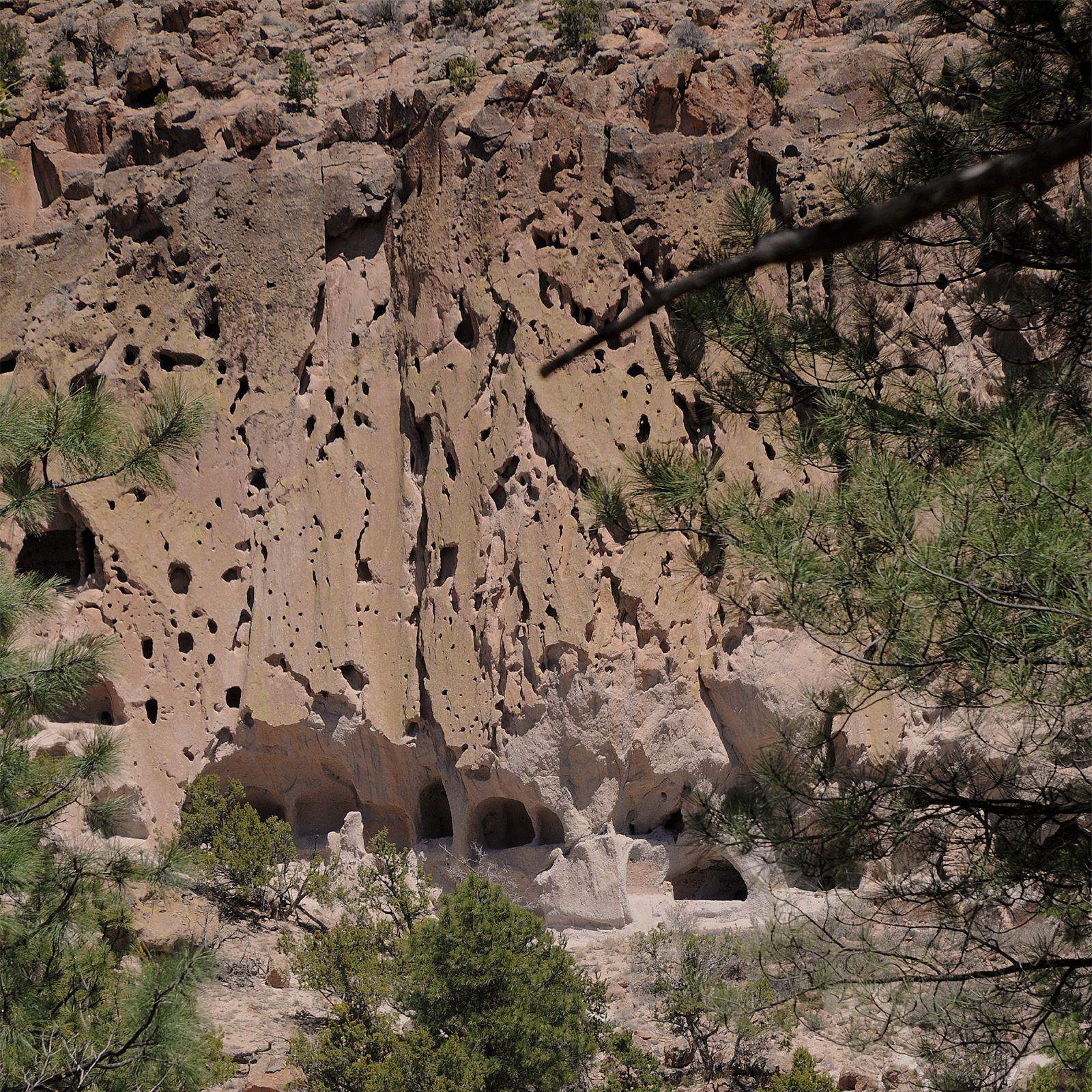
<p>For a few thousand years, the climate in Bandelier has been similar to what it is today. Currently, this area receives most of its 16 inches of annual precipitation in the form of snow and summer thunderstorms. Spring is often windy, as are the summer storms. Both wind and…
Falls Trail Tour - Stop 2
~0 min drive
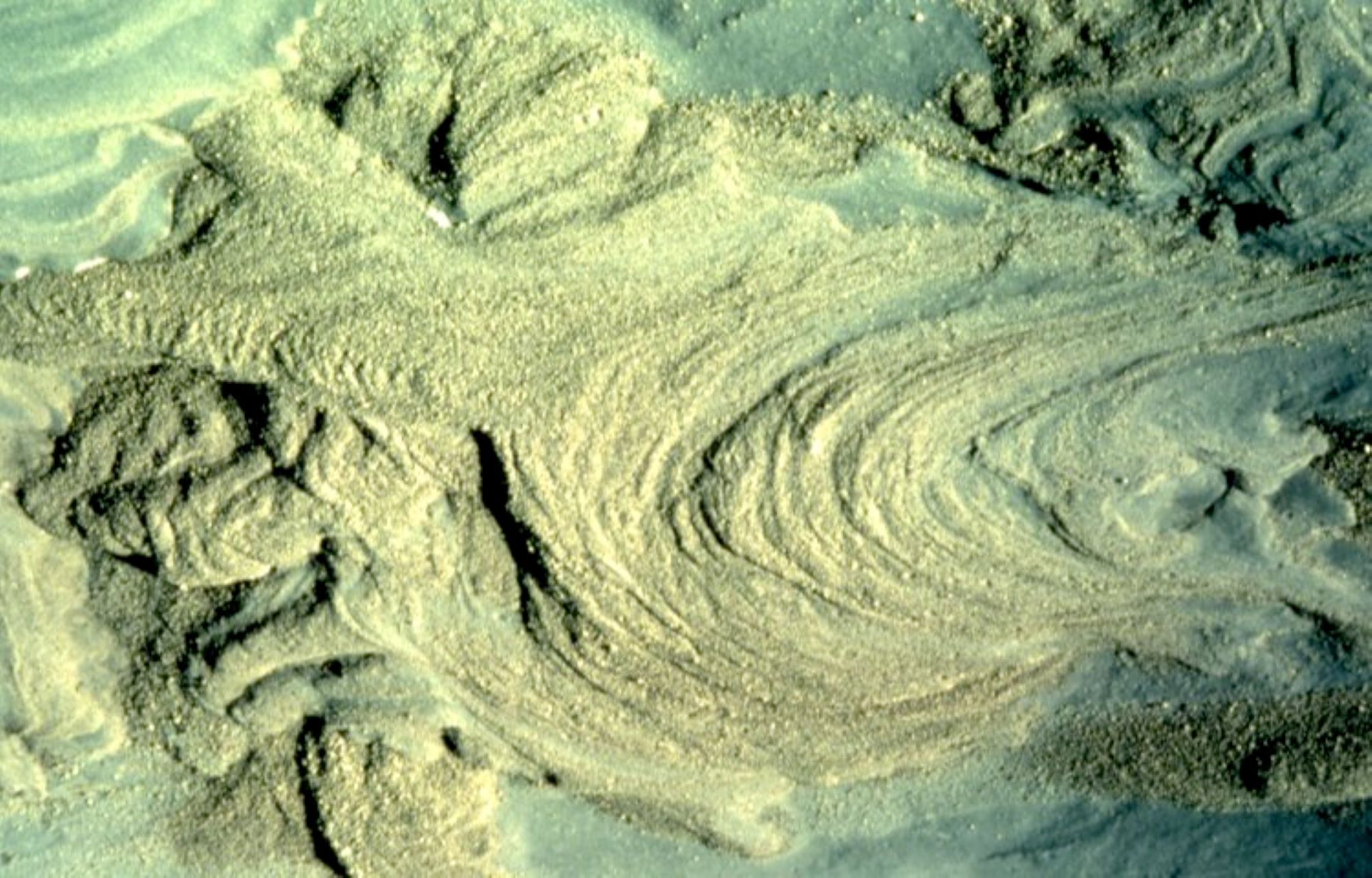
Compacted by their own weight over time, the ash flows became a soft rock known as tuff. The tuff is light in color, very porous, and has a sandy texture. In some areas, lightweight pumice is a major component of the tuff. Look for Swiss cheese-like patterns in the surfaces of…
Falls Trail Tour - Stop 1
~1 min drive
The story begins over a million years ago, with two major eruptions of the Jemez (HAY-mez) Volcano. Dense, destructive masses of hot ash, lava, and gases were ejected from the volcano and sped downhill, in what is called a pyroclastic flow. The landscape was buried in ash up t…
Falls Trail Tour - Stop 7
~1 min drive
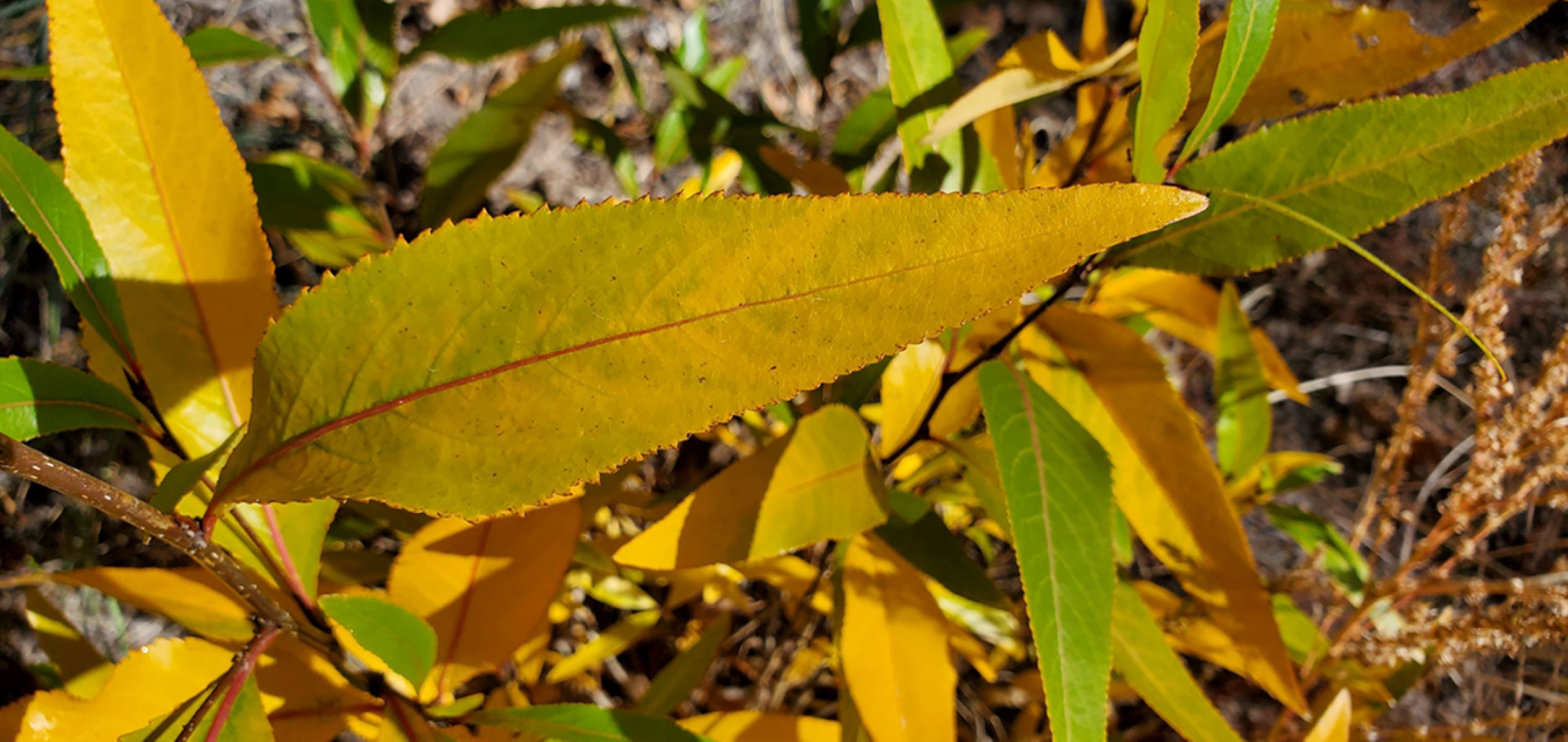
<p><em>Note: There is no post currently for Stop 7, so just find a nice shady stop to pause!</em><br /> <br /> In the canyon, water-loving plants like narrowleaf cottonwood (<i>Populus angustifolia</i>) and willow (<i>Salix spp</i>) grow in profusion. Cottonwoods get their nam…
Falls Trail Tour - Stop 8
~1 min drive
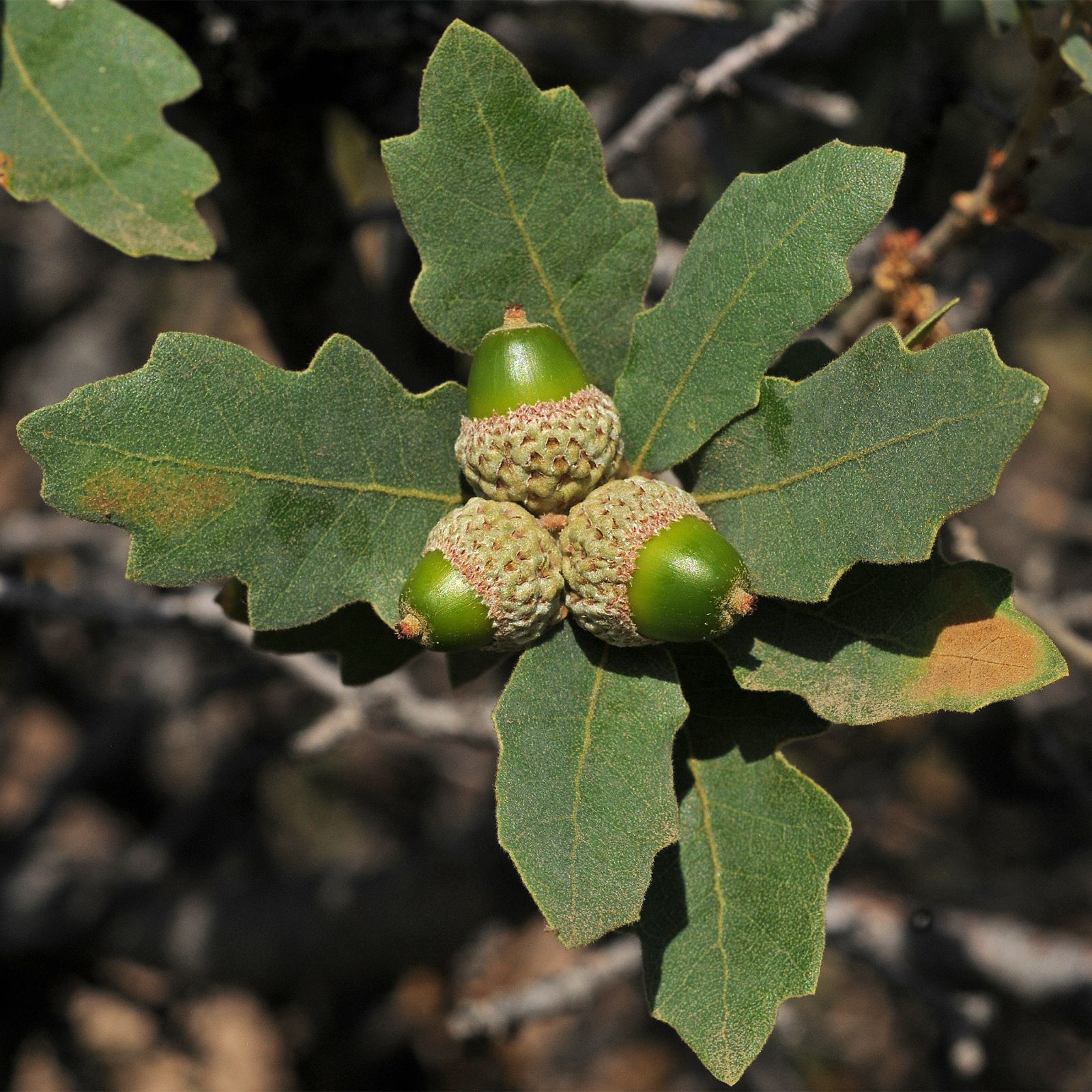
<p><i>Note: Post 8 is currently lying down on the trail, so look carefully!</i><br /> <br /> Look at the small group of oaks here. Several species of oaks can be found not only in riparian areas like this one, but also in the piñon-juniper woodland and mixed conifer forests of…
Falls Trail
~1 min drive
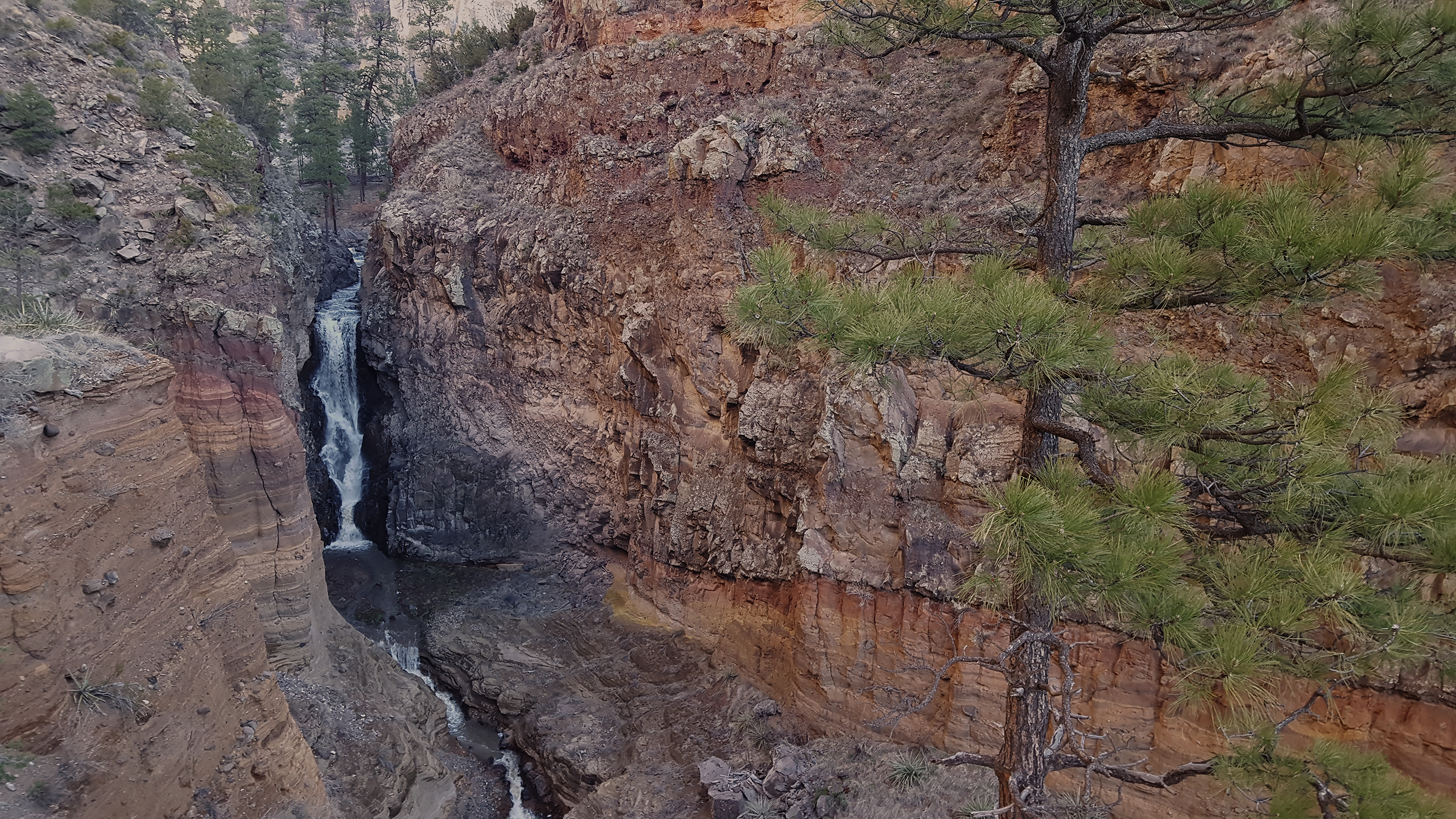
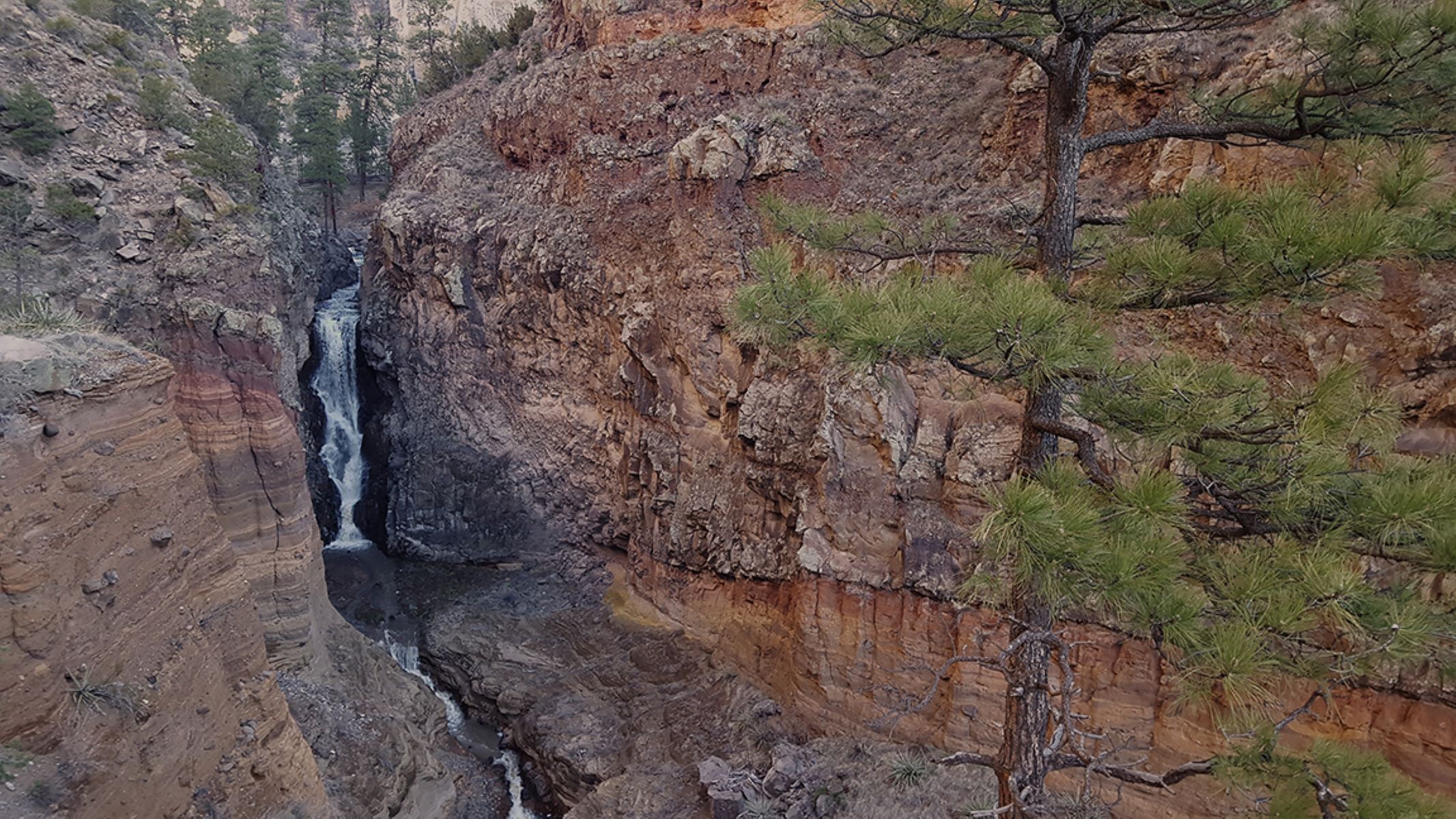
The Falls Trail begins a short distance from the park visitor center and travels down Frijoles Canyon to an 80 foot waterfall (unfortunately often dry in summer). The roundtrip is 3 miles with 400 foot elevation change. Lots of cool geology, plants, and wildlife on this hike t…
Falls Trail Tour - Introduction
~1 min drive
<p>Frijoles Canyon is a lush green ribbon in this arid environment. Creekside areas, known as riparian zones, are home to an amazing diversity of plant and animal life due to the relative abundance of water. Frijoles Creek is a permanent stream (runs year-round) for most of it…
Falls Trail Tour - Stop 10
~1 min drive
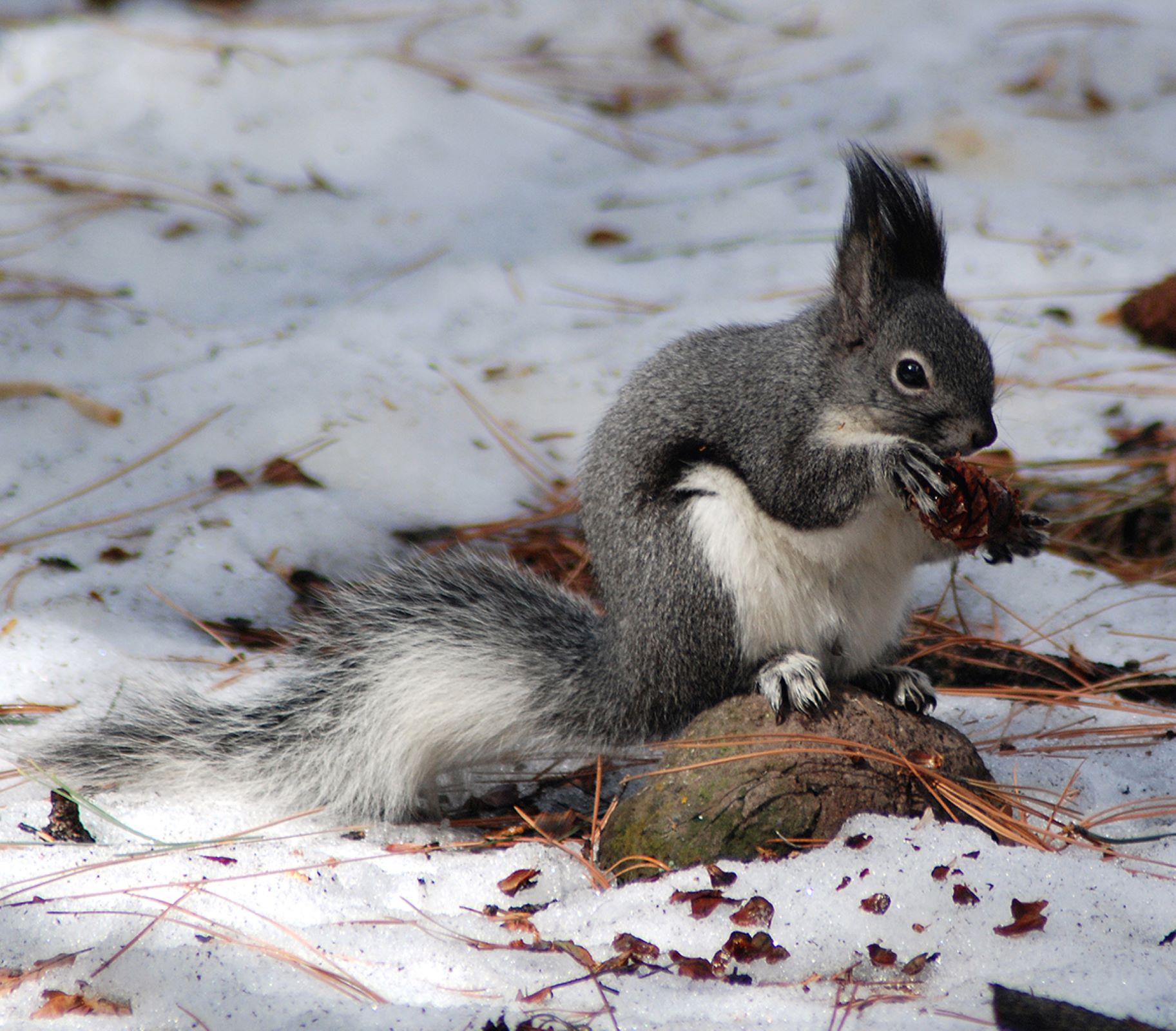
<p>Abert’s squirrels, with their tufted ears and long white tails, are one common inhabitant here. Abert’s squirrels live near ponderosa pines, which provide an important food source for the squirrels. They will turn the cones slowly, much as you may rotate an ear of corn as y…
Local operatorsoffering guided trips. You book directly with them — Roamze doesn’t take a cut.
Turquoise Trail Campground
Hiking business nearby (~44 mi away) — hasn't claimed their Roamze page yet