Kanaskat-Palmer State Park Campground
Campground
Campground · 4.0 mi from the trail
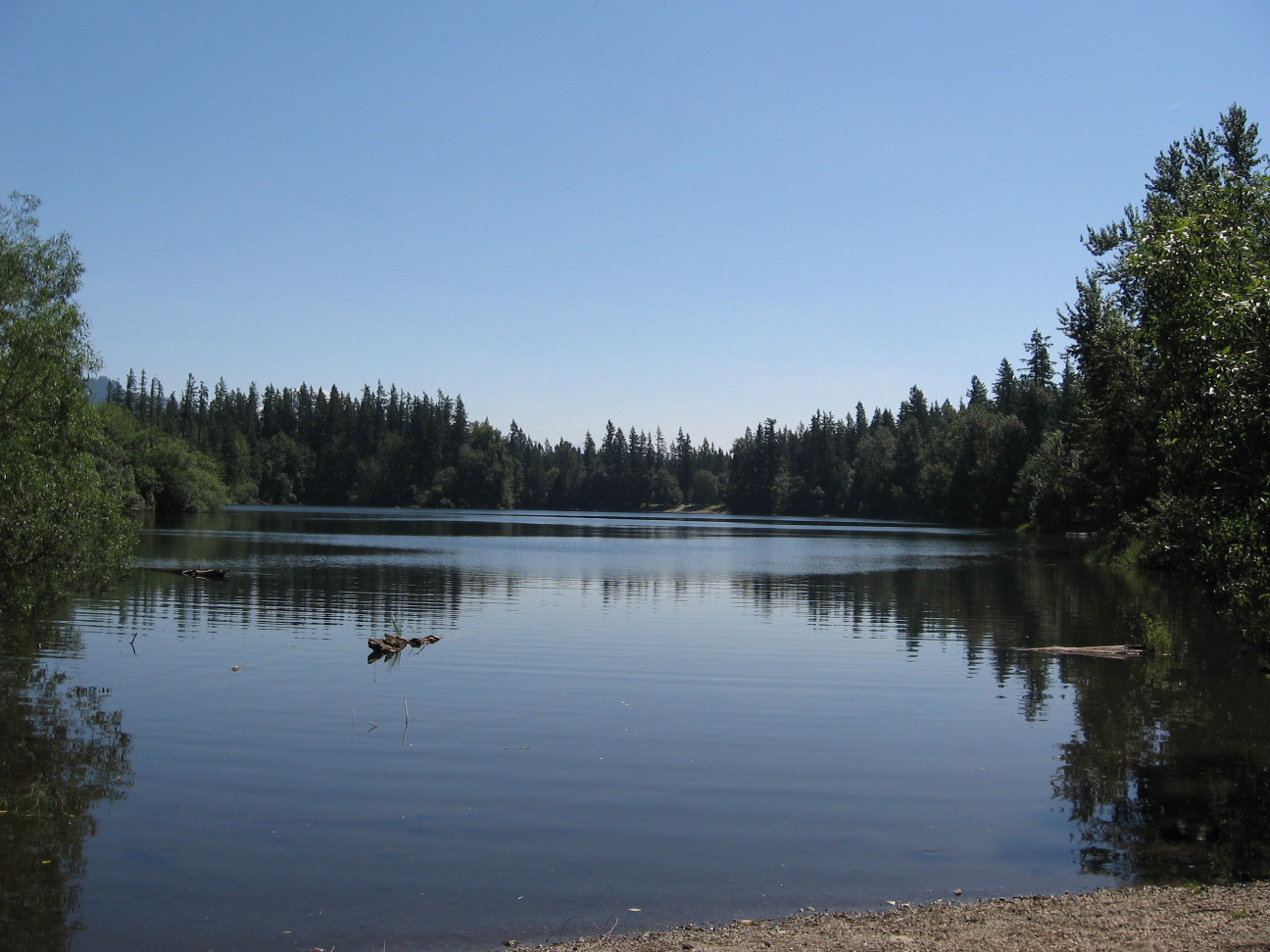 Photo: martialstax, CC BY 2.0 (via Wikimedia Commons)
Nolte State Park is a Washington state park managed by State Park and Recreation, about 5 miles from the town of Black Diamond. The park makes a convenient base for a day of hiking and paddling in the surrounding area. Summer is the most comfortable time to visit. Typical averages from a nearby weather station show July and August highs around 75 to 76°F with only eight or nine wet days a month, while winter months bring highs in the mid-40s and rain on 20 or more days. The Nolte State Park Trail starts just 0.2 miles away. Hanging Gardens Trail and Coal Creek, a canoeing spot, are each about 1.5 miles off. Newaukum Creek, another paddling option, lies roughly 3.6 miles away.
Kanaskat-Palmer State Park Campground
Campground
 If it rainsShakespeare at English Wikipedia, CC BY-SA 3.0 · Wikimedia Commons
Railway station in Snoqualmie, the United States of America
Places © OpenStreetMap contributors · Photos: Shakespeare at English Wikipedia, CC BY-SA 3.0 (commons)
More in GreenwaterPark size
112 acres
 Nolte State Park TrailHikingPhoto: Robert Ashworth from Bellingham, WA., USA, CC BY 2.0 (via Wikimedia Commons)0.2 mi
 Ridge TrailHikingPhoto: Leslie Seaton from Seattle, WA, USA, CC BY 2.0 (via Wikimedia Commons)4.3 mi
Source: Roamze catalog (indexable pages within 10 miles, PostGIS distance)
 Kanaskat-PalmerState park · ~7 min drivePhoto: Steven Pavlov, CC BY-SA 4.0 (via Wikimedia Commons)
 Flaming GeyserState park · ~7 min drivePhoto: Steven Pavlov, CC BY-SA 4.0 (via Wikimedia Commons)
 Federation ForestState park · ~23 min drivePhoto: Bryan Ochalla from Seattle, WA, USA, CC BY-SA 2.0 (via Wikimedia Commons)
 OlallieState park · ~28 min drivePhoto: ODrums600 at English Wikipedia, Public domain (via Wikimedia Commons)
 Saltwater State ParkState park · ~33 min drivePhoto: Joe Mabel, CC BY-SA 3.0 (via Wikimedia Commons)
 Lake SammamishState park · ~36 min drivePhoto: Mggkitsap, CC BY 3.0 (via Wikimedia Commons)
 KopachuckState park · ~1h drivePhoto: Steven Pavlov, CC BY-SA 4.0 (via Wikimedia Commons)
 Cutts IslandState park · ~1h drivePhoto: Steven Pavlov, CC BY-SA 4.0 (via Wikimedia Commons)
 Saint EdwardState park · ~1h drivePhoto: Joe Mabel, CC BY-SA 3.0 (via Wikimedia Commons)
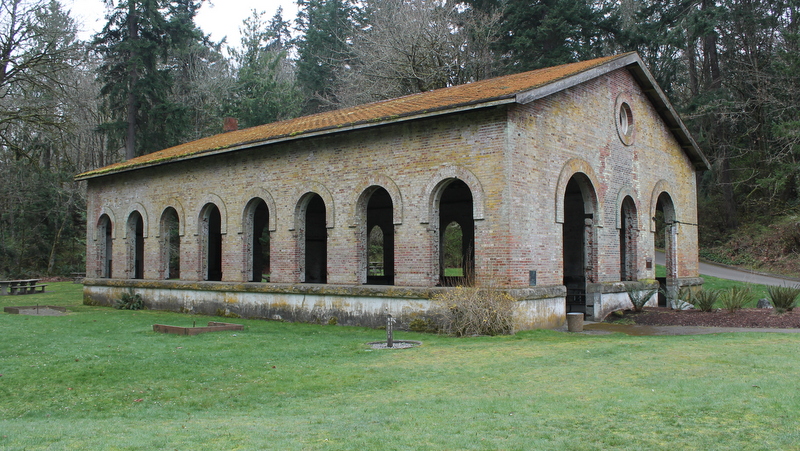 ManchesterState park · ~1h 1m drivePhoto: Lumpytrout, CC BY-SA 3.0 (via Wikimedia Commons)
Best months: July–September. Best months have typical highs of 55–85 °F, lows of 30 °F or warmer (32 °F where the station doesn't record snow), at most one snowy day and no more than 12 wet days.
Jan
45° / 34°
21 wet
Feb
47° / 34°
19 wet
Mar
51° / 36°
22 wet
Apr
56° / 39°
20 wet
May
64° / 45°
18 wet
Jun
68° / 49°
14 wet
Jul
75° / 53°
9 wet
Aug
76° / 53°
8 wet
Sep
70° / 50°
11 wet
Oct
59° / 43°
17 wet
Nov
49° / 38°
20 wet
Dec
43° / 33°
21 wet
Typical high / low (°F) and days with rain or snow, 1991–2020. Measured at Palmer 3 Ese, WA, 5 mi away at 920 ft. We don't have this place's elevation, so higher spots nearby can run cooler. This station doesn't record snowfall. Source: NOAA NCEI U.S. Climate Normals 1991–2020.
