Loading…
Texas · Rock Climbing
Alpine sits in the high desert of the Trans-Pecos, and the rock climbing scene here leans heavily toward bouldering.
72 spotsUpdated weeklyFree to access
View on mapRock Climbing · 72 spots
Alpine sits in the high desert of the Trans-Pecos, and the rock climbing scene here leans heavily toward bouldering. The 72 listed problems and routes in and around town reflect that — names like Buda Slapper, Gladiator (aka The Impaler), Government Shutdown, and Negotiable American Currency give you a sense of the local sense of humor, and the range of problems runs from approachable warm-ups to serious test pieces. The Parking Boulders area serves as a natural hub, with problems like Crowd Pleaser, Show Stopper, and Fun Factor clustered in a way that makes it easy to link sessions without burning half your day hiking between crags. There are also a handful of roped routes in the mix, including Intersection and Big Chimney, so if you're traveling with a rack and a rope you're not out of luck. Elevation in this part of the Davis Mountains region means cooler temps than the surrounding desert floor, which extends the usable climbing season compared to lower-elevation Texas destinations. If you're coming from out of town, Alpine itself has lodging, food, and a functional gear-and-coffee culture that makes it a reasonable base for a long weekend.
Fall and spring are the most reliable seasons — temperatures are moderate and afternoon winds haven't yet turned brutal. Summer mornings can work if you start early and wrap up by midday, since the desert sun hits hard by late morning. Winter is possible on clear days, especially on south-facing rock, but freezing nights can leave holds damp well into the morning.
The majority of the 72 listed activities are bouldering problems — everything from Lil' Underripe and Back Rest on the easier end to problems like Gladiator (aka The Impaler) and Dab Factor that will push experienced climbers. That said, there are roped rock climbing routes in the mix, including Intersection and Big Chimney, so bringing a rope and a partner isn't wasted effort.
Upper Deck
~4 min drive
A worthwhile stop near Texas.
Thin Line
~4 min drive
A worthwhile stop near Texas.
Grapevine Hills
~4 min drive
Texas climbing in the Grapevine Hills with desert rock and regional character.
MD 20/20
~4 min drive
A worthwhile stop near Texas.
Mine Shaft
~4 min drive
A worthwhile stop near Texas.
Parking Boulders
~4 min drive
Accessible Texas bouldering area with varied problems for all levels.
Show Stopper
~4 min drive
A worthwhile stop near Texas.
Intersection
~4 min drive
A worthwhile stop near Texas.
Grapevine North
~4 min drive
North Texas climbing crag offering routes for varied ability levels.
Unripe
~4 min drive
A worthwhile stop near Texas.
Big Bend National Park
~3 min drive
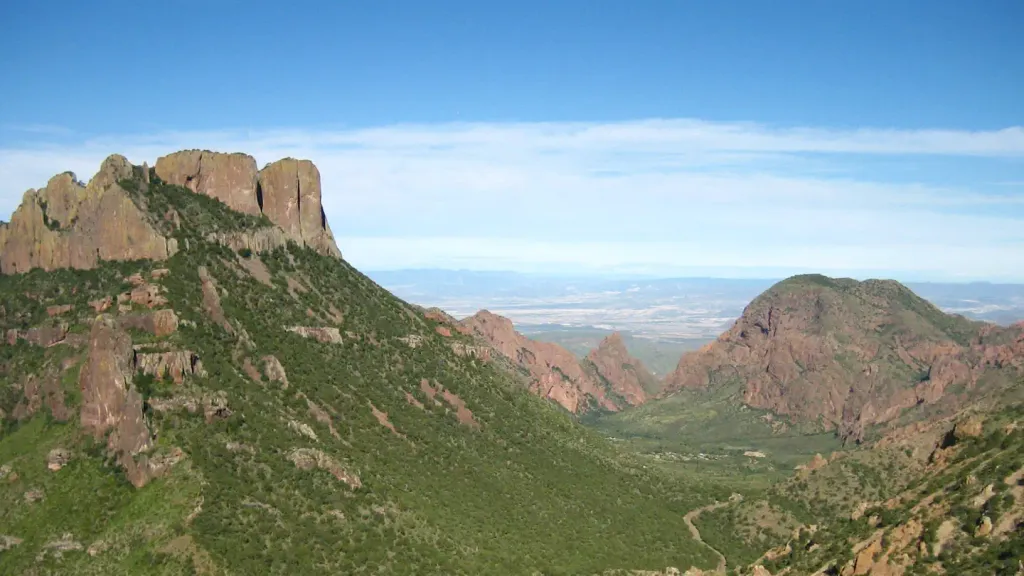
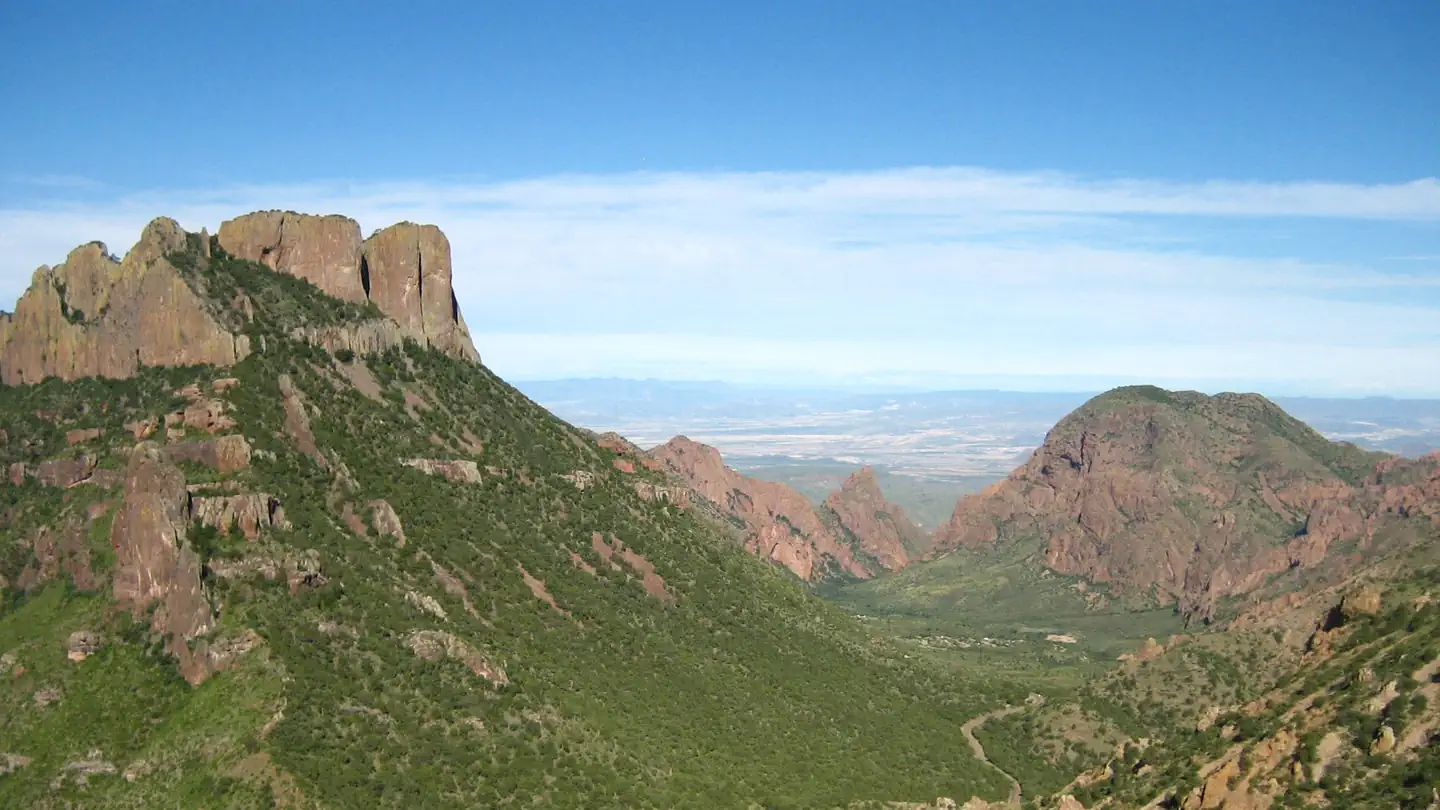
Remote desert climbing in far West Texas with dramatic canyon scenery.
Vine Ripe
~4 min drive
A worthwhile stop near Texas.

Rock climbing
Alpine, Texas
Bouldering
Alpine, Texas
Bouldering
Alpine, Texas

Bouldering
Alpine, Texas
Bouldering
Alpine, Texas
Bouldering
Alpine, Texas
Bouldering
Alpine, Texas
Bouldering
Alpine, Texas
Bouldering
Alpine, Texas
Bouldering
Alpine, Texas
Bouldering
Alpine, Texas
Bouldering
Alpine, Texas
Bouldering
Alpine, Texas
Bouldering
Alpine, Texas
Rock climbing
Alpine, Texas
Bouldering
Alpine, Texas
Bouldering
Alpine, Texas
Bouldering
Alpine, Texas
Rock climbing
Alpine, Texas
Rock climbing
Alpine, Texas
Bouldering
Alpine, Texas
Bouldering
Alpine, Texas
Bouldering
Alpine, Texas
Bouldering
Alpine, Texas
For bouldering, crash pads are essential — the landings at areas like the Parking Boulders vary, and having at least two pads is worth it if you're projecting harder problems. Climbing shoes, chalk, and a brush round out the basics. If you're planning on roped routes like Big Chimney, bring a standard sport or trad rack depending on the route style, and confirm anchor setups before you go since beta on specific gear requirements isn't always posted online.
There's a real mix. Problems like Fun Factor, For Sure, and Crowd Pleaser suggest there are approachable lines that don't require a high-end bouldering resume. More experienced climbers will find plenty to work on with problems like Night Train, Upper Deck, and Show Stopper. It's worth checking a site like Mountain Project for current grade consensus before assuming a problem is a warm-up.
Access situations in the Trans-Pecos can be a mix of public land and private property, and that can change. Before your trip, check with local climbing organizations or the American Alpine Club's access database for current status on specific areas. Leave No Trace practices matter here — this is a small community and the climbing areas are close to town, so how visitors behave directly affects long-term access.