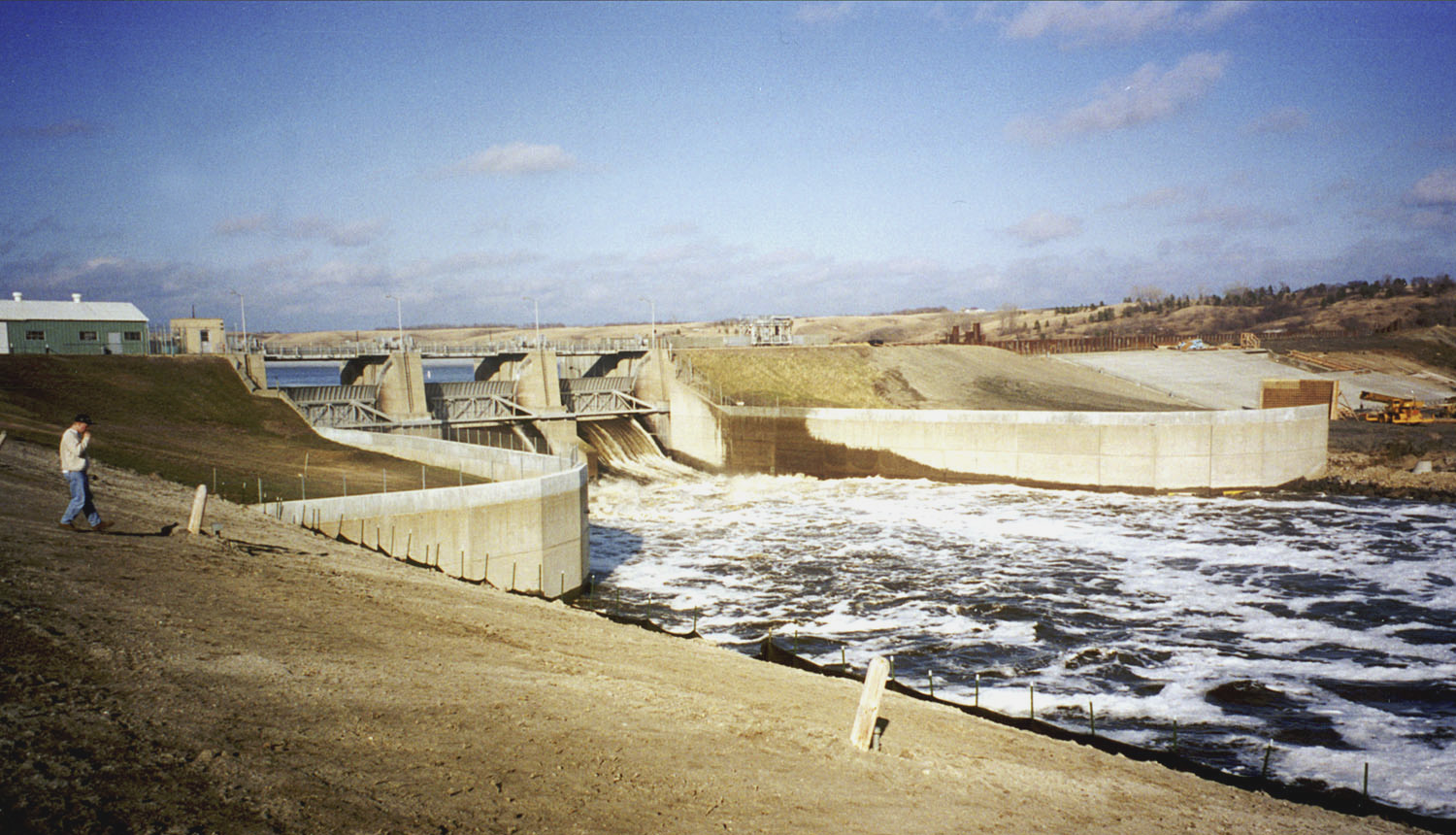
Nature Trail Extended Loop
 Photo: PBoGS, CC BY-SA 2.0 (via Flickr)
- 0.5 mi
- round trip
- 130 ft
- climb
- 1,557 ft
- high point
- Out and back
- route
- May–Sep
- best months
Clear at last check
Weather is good · OpenWeather · checked 16 h ago
The Nature Trail Extended Loop is a short, easy hike in Sullys Hill National Game Preserve in North Dakota, managed by the U.S. Fish and Wildlife Service. The route is an out-and-back of about a mile, with a total elevation gain of 130 feet, and it is rated easy. The trail starts at about 1,514 feet and reaches a high point of 1,557 feet before returning to the starting elevation. The climb is front-loaded, with the steepest stretch at about 0.11 miles in, where the grade reaches 9 percent. The whole trip takes about half an hour. Summer is the most comfortable time to go. Typical averages from a nearby weather station in Devils Lake show July and August highs around 79°F with lows in the upper 50s, while winter highs stay in the teens and 20s. Sweetwater Lake Trail is about 0.4 miles away. Sivert Thompson Loop and North Campground Loop are both within about 6 miles.
- Sweetwater Lake TrailHikingPhoto: PBoGS, CC BY-SA 2.0 (via Flickr)0.4 mi
 Sivert Thompson LoopHikingPhoto: thatedeguy, CC BY-SA 2.0 (via Flickr)5.6 mi
- North Campground LoopHikingPhoto: thatedeguy, CC BY-SA 2.0 (via Flickr)6 mi
Source: Roamze catalog (indexable pages within 10 miles, PostGIS distance)
Best time to visit Nature Trail Extended Loop
Best months: May–September. Best months have typical highs of 55–85 °F, lows of 30 °F or warmer (32 °F where the station doesn't record snow), at most one snowy day and no more than 12 wet days.
Jan
16° / -2°
8 wet
Feb
21° / 2°
6 wet
Mar
33° / 15°
6 wet
Apr
51° / 31°
7 wet
May
65° / 44°
11 wet
Jun
74° / 55°
12 wet
Jul
79° / 59°
11 wet
Aug
79° / 57°
9 wet
Sep
69° / 48°
7 wet
Oct
53° / 34°
7 wet
Nov
35° / 18°
6 wet
Dec
22° / 5°
8 wet
Typical high / low (°F) and days with rain or snow, 1991–2020. Measured at Devils Lake Kdlr, ND, 10 mi away at 1,464 ft. This station doesn't record snowfall. Source: NOAA NCEI U.S. Climate Normals 1991–2020.