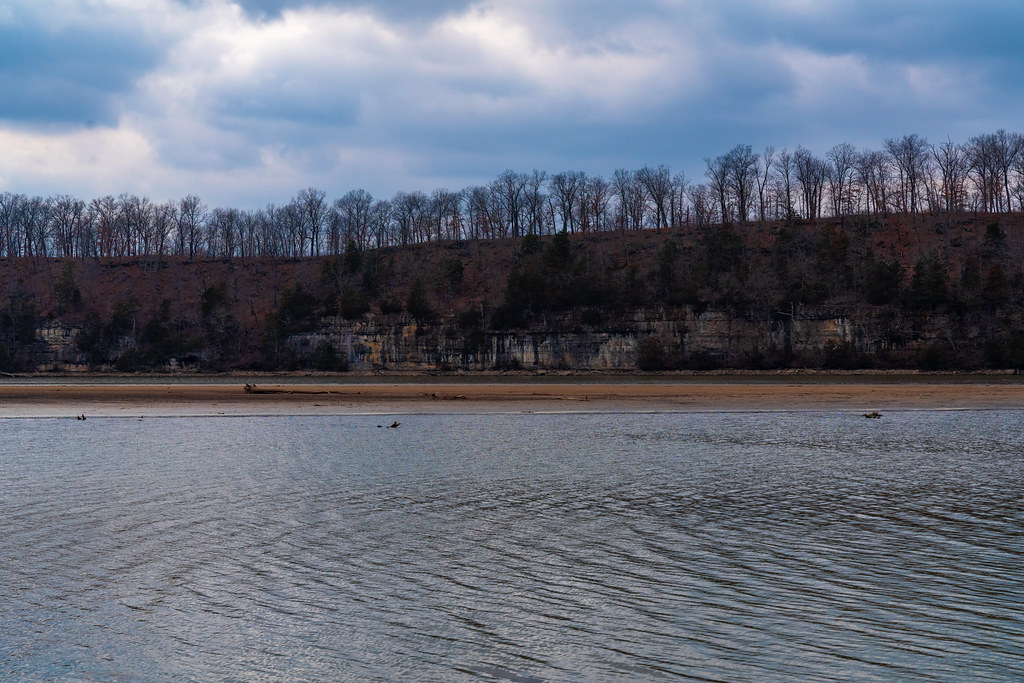
Sellars Creek
- 4.9 mi
- distance
- 879 ft
- high point
- Mar–Jun, Sep–Nov
- best months
Sellars Creek is a 4.9-mile paddling stretch near Richland, Missouri, about 2 miles from the town of Wet Glaize. The creek flows year-round, with typical averages from a nearby weather station showing an average flow of about 59 cubic feet per second and a gradient of about 18.3 feet per mile. Spring and fall are the most comfortable times to paddle. Typical averages from the Waynesville weather station, about 16 miles away, show May highs around 77°F and October highs around 71°F, while July and August average highs near 89°F. Other paddling options are close by. Wet Glaize Creek is about 4.8 miles away, Dry Auglaize Creek is about 6.7 miles away, and Grandglaize Creek is about 9.7 miles away.
Local outfitters
- Scooters Rental24 mi away
Not on Roamze yet. Their page has how to reach them.
Source: Roamze catalog (indexable pages within 10 miles, PostGIS distance)
- Wet Glaize CreekCanoeing · ~8 min drive
- Hazelgreen Access Canoe RampBoat launch · ~18 min drive
- Dry Auglaize CreekCanoeing · ~11 min drive
- Mo 7Boat launch · ~20 min drive
- Grandglaize CreekCanoeing · ~17 min drive
- Gasconade Hills ResortBoat launch · ~21 min drive
- Tavern CreekCanoeing · ~23 min drive
- Froggy's River Resort LandingBoat launch · ~26 min drive
- Little Tavern CreekCanoeing · ~30 min drive
- Grand Glaize Boat RampBoat launch · ~29 min drive
Best time to visit Sellars Creek
Best months: March–June and September–November. Best months have typical highs of 55–85 °F, lows of 30 °F or warmer (32 °F where the station doesn't record snow), at most one snowy day and no more than 12 wet days.
Jan
44° / 22°
7 wet
Feb
49° / 26°
6 wet
Mar
59° / 34°
8 wet
Apr
69° / 44°
10 wet
May
77° / 54°
11 wet
Jun
84° / 63°
9 wet
Jul
89° / 67°
8 wet
Aug
89° / 65°
7 wet
Sep
81° / 56°
6 wet
Oct
71° / 45°
7 wet
Nov
58° / 35°
7 wet
Dec
48° / 27°
7 wet
Typical high / low (°F) and days with rain or snow, 1991–2020. Measured at Waynesville 2 W, MO, 16.1 mi away at 890 ft. This station doesn't record snowfall. Source: NOAA NCEI U.S. Climate Normals 1991–2020.