Fort Gibson Lake
- Easy
- difficulty
- Feb–May, Sep–Nov
- best months
Fort Gibson Lake is a 17,771-acre reservoir in Oklahoma, managed by the Oklahoma Department of Wildlife Conservation and the US Army Corps of Engineers. The nearest town is Toppers, about a mile away. Spring and fall are the most comfortable times to visit. Typical averages from a nearby weather station in Wagoner show April and October highs around 73°F, while July and August average about 92°F. Several other fishing spots sit within a few miles, including Rocky Point (ft Gibson), Taylor Ferry and Blue Bill Point. Paddlers can head to the Neosho River, about 9 miles away.
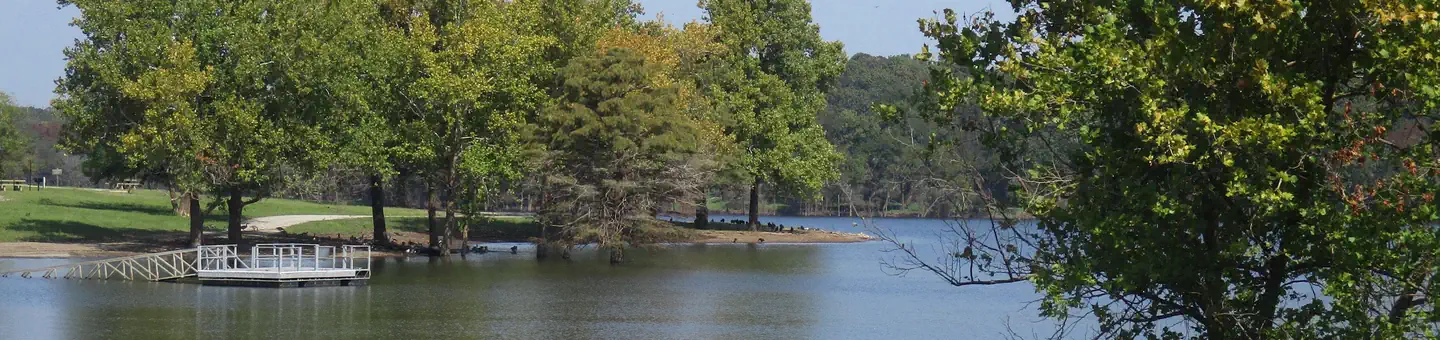 Rocky Point (ft Gibson)Lake fishing3.4 mi
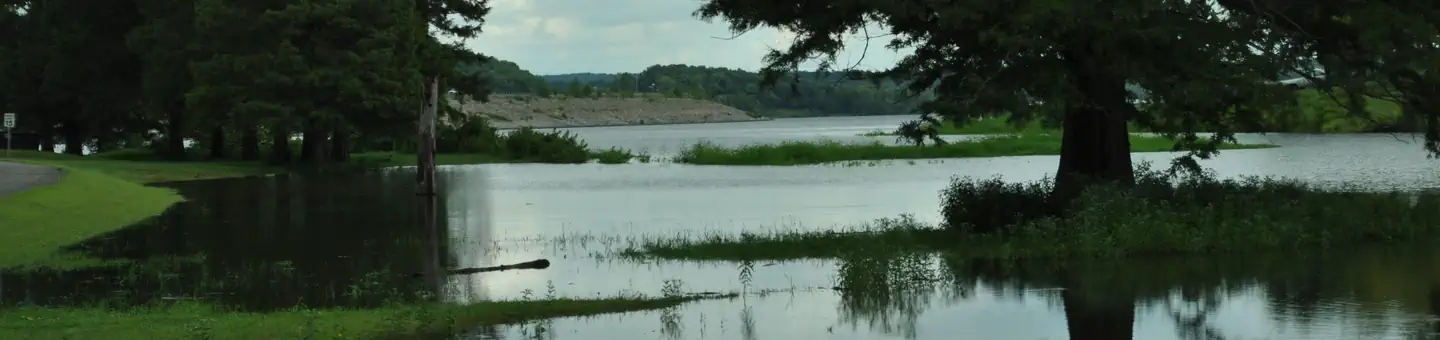 Taylor FerryLake fishing4 mi
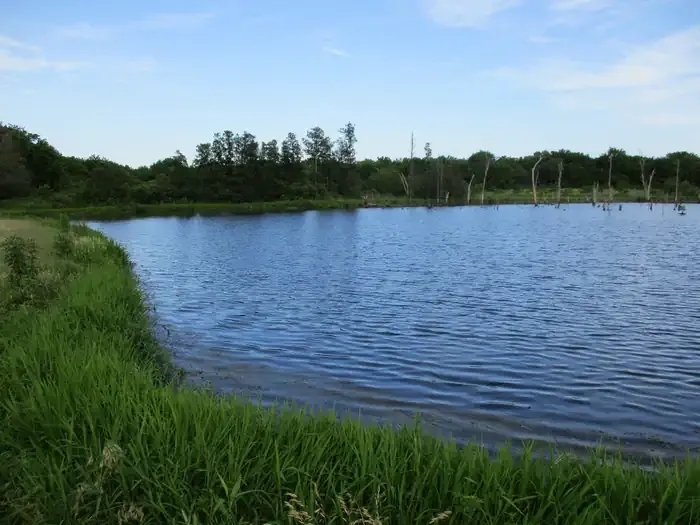 Blue Bill PointLake fishingPhoto: Recreation.gov (RIDB) / public domain4.2 mi
- Flat Rock CreekLake fishing4.3 mi
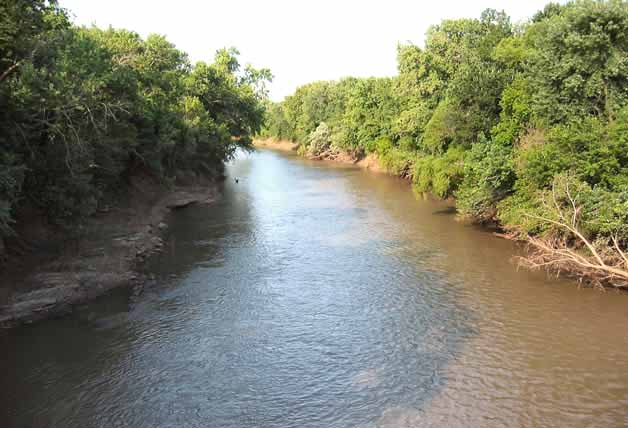 Neosho RiverCanoeingPhoto: Public domain (via Wikimedia Commons)9.4 mi
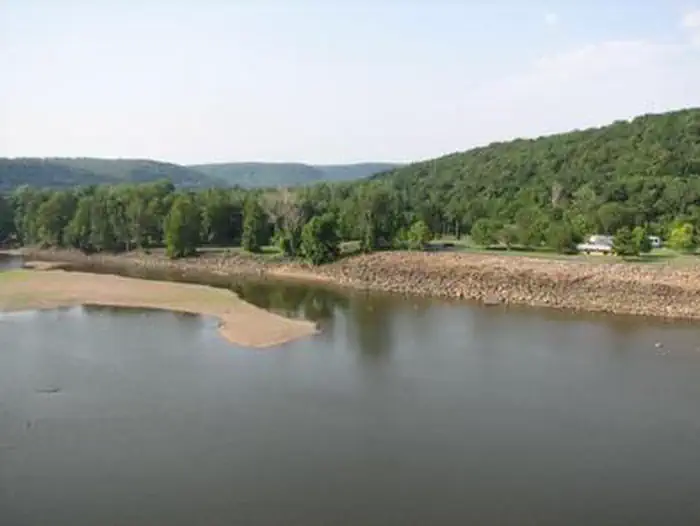 Dam Site (fort Gibson Lake)Lake fishing9.4 mi
Source: Roamze catalog (indexable pages within 10 miles, PostGIS distance)
- Rocky Point (ft Gibson)Lake fishing · ~6 min drive
- Greenleaf LakeLake fishing · ~44 min drive
- Spaniard CreekRiver fishing · ~46 min drive
- Taylor FerryLake fishing · ~7 min drive
- Tenkiller Ferry LakeLake fishing · ~47 min drive
- Brewers BendRiver fishing · ~50 min drive
- Blue Bill PointLake fishing · ~7 min drive
- Oologah LakeLake fishing · ~1h 12m drive
- Dam Site (fort Gibson Lake)Lake fishing · ~16 min drive
- Blue CreekLake fishing · ~1h 1m drive
Best time to visit Fort Gibson Lake
Best months: February–May and September–November. Best months have typical highs of 55–85 °F, lows of 30 °F or warmer (32 °F where the station doesn't record snow), at most one snowy day and no more than 12 wet days.
Jan
49° / 29°
Feb
55° / 33°
Mar
64° / 41°
Apr
73° / 50°
May
80° / 60°
Jun
87° / 68°
Jul
92° / 73°
Aug
92° / 71°
Sep
84° / 63°
Oct
73° / 51°
Nov
62° / 40°
Dec
52° / 32°
Typical high / low (°F) and days with rain or snow, 1991–2020. Measured at Wagoner, OK, 2.9 mi away at 590 ft. This station doesn't record snowfall. Source: NOAA NCEI U.S. Climate Normals 1991–2020.
