Glacial Lakes State Park
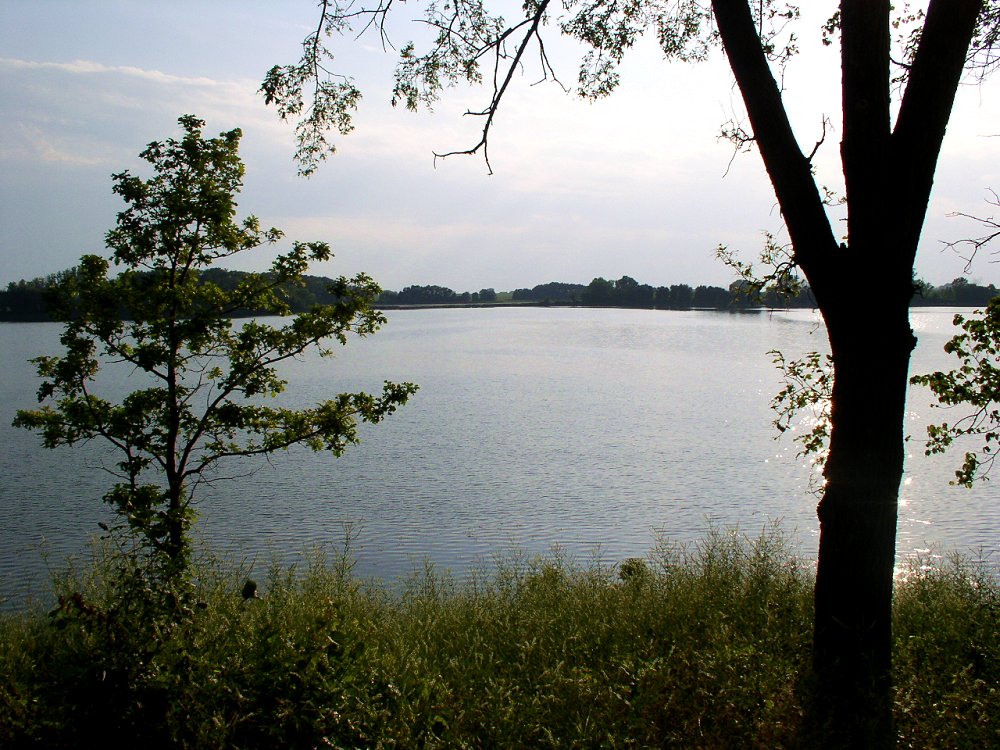
 Photo: McGhiever, CC BY-SA 4.0 (via Wikimedia Commons)
- State Park and Recreation
- managed by
- May–Oct
- best months
Glacial Lakes State Park is a Minnesota state park managed by State Park and Recreation, about 5.5 miles from the town of Starbuck. It is a state park in its own right, and its setting makes it a base for exploring the surrounding area. Summer is the most comfortable time to visit. Typical averages from a nearby weather station show July highs around 83°F with lows near 58°F, while winter highs stay in the 20s. For paddlers, the East Branch Chippewa River lies about 8.5 miles away and offers canoeing.
Park size
1,929 acres
Inside this park
Source: Roamze catalog (indexable pages within 10 miles, PostGIS distance)
 Monson Lake State ParkState park · ~32 min drivePhoto: McGhiever, CC BY-SA 3.0 (via Wikimedia Commons)
 Sibley State ParkState park · ~48 min drivePhoto: John Mahowald, CC BY 2.0 (via Wikimedia Commons)
 Lake Carlos State ParkState park · ~56 min drivePhoto: Tony Webster from Minneapolis, Minnesota, United States, CC BY-SA 2.0 (via Wikimedia Commons)
 Lac qui Parle State ParkState park · ~1h 7m drivePhoto: Tim Kiser (w:User:Malepheasant), CC BY-SA 2.5 (via Wikimedia Commons)
 Inspiration Peak State WaysideState park · ~1h 12m drivePhoto: Amanda Su, CC BY-SA 4.0 (via Wikimedia Commons)
 Big Stone Lake State ParkState park · ~1h 25m drivePhoto: McGhiever, CC BY-SA 3.0 (via Wikimedia Commons)
Best time to visit Glacial Lakes State Park
Best months: May–October. Best months have typical highs of 55–85 °F, lows of 30 °F or warmer (32 °F where the station doesn't record snow), at most one snowy day and no more than 12 wet days.
Jan
23° / 2°
6 wet
Feb
27° / 5°
5 wet
Mar
40° / 19°
6 wet
Apr
57° / 31°
8 wet
May
70° / 44°
11 wet
Jun
79° / 54°
11 wet
Jul
83° / 58°
11 wet
Aug
81° / 56°
9 wet
Sep
74° / 47°
8 wet
Oct
59° / 34°
8 wet
Nov
41° / 21°
6 wet
Dec
28° / 8°
6 wet
Typical high / low (°F) and days with rain or snow, 1991–2020. Measured at Glenwood 2wnw, MN, 9.4 mi away at 1,198 ft. We don't have this place's elevation, so higher spots nearby can run cooler. This station doesn't record snowfall. Source: NOAA NCEI U.S. Climate Normals 1991–2020.
