Keolonahihi State Historical Park
- State Park and Recreation
- managed by
- Oct–Jul
- best months
Keolonahihi State Historical Park is a state park in Hawaii, managed by State Park and Recreation, about 2.3 miles from the community of Kahaluu-Keauhou. It is a historical site rather than a trail destination, so there is no climb, distance or difficulty to plan around. The weather is mild year-round. Typical averages from a nearby weather station show highs around 80 to 86°F and lows in the 66 to 74°F range, with the warmest stretch running from July through September. For more time outdoors in the area, the Captain Cook Monument Trail, a mountain biking route, lies about 8.4 miles away.
Park size
14 acres
Source: Roamze catalog (indexable pages within 10 miles, PostGIS distance)
 Kekaha Kai State ParkState park · ~21 min drivePhoto: Travis.Thurston, CC BY-SA 3.0 (via Wikimedia Commons)
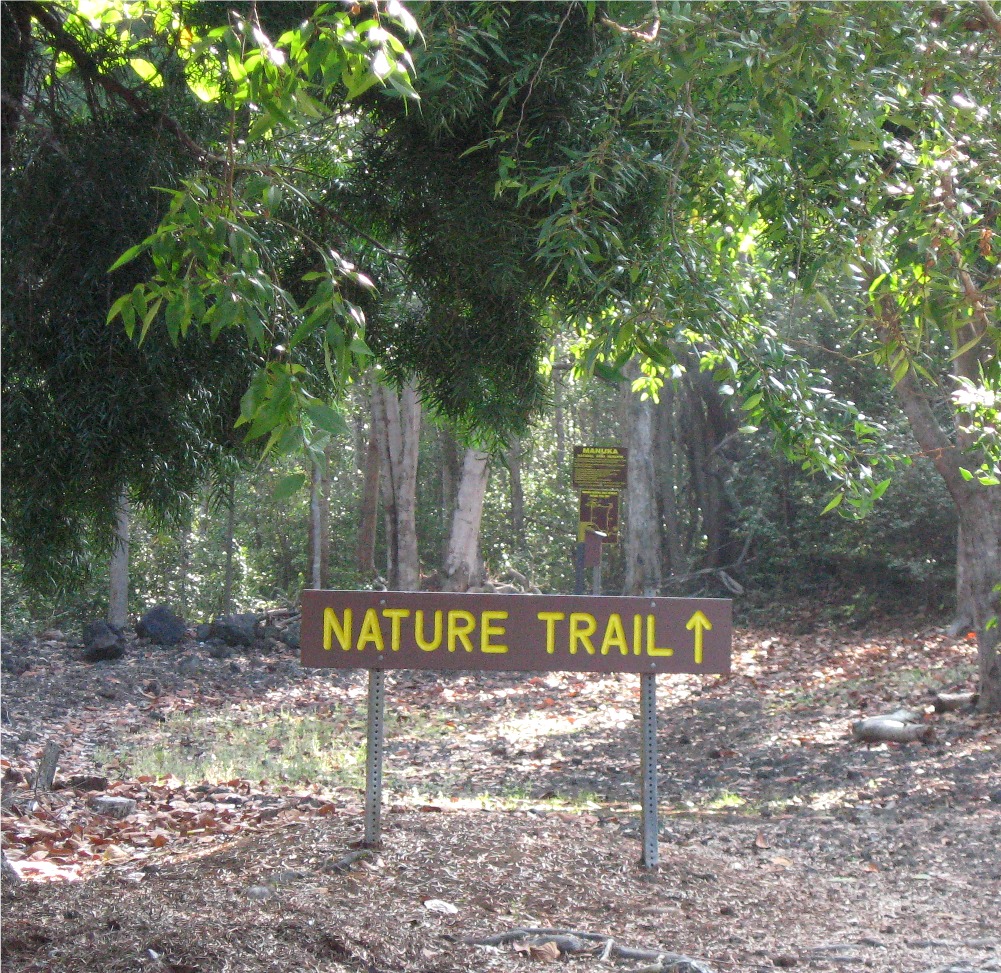 Manuka State WaysideState park · ~1h drivePhoto: W Nowicki, CC BY 3.0 (via Wikimedia Commons)
 Kalopa State Recreation AreaState park · ~1h 19m drivePhoto: Forest & Kim Starr, CC BY 3.0 (via Wikimedia Commons)
- Old Kona Airport State Recreation AreaState park · ~6 min drive
- Kealakekua Bay State Historical ParkState park · ~15 min drive
- Hapuna Beach State Recreation AreaState park · ~49 min drive
- Mauna Kea State ParkState park · ~53 min drive
- Lapakahi State Historical ParkState park · ~1h 8m drive
- Kamehameha ParkState park · ~1h 17m drive
- Honokaa ParkState park · ~1h 20m drive
Best time to visit Keolonahihi State Historical Park
Best months: October–July. Best months have typical highs of 55–85 °F, lows of 30 °F or warmer (32 °F where the station doesn't record snow), at most one snowy day and no more than 12 wet days.
Jan
80° / 66°
Feb
80° / 67°
Mar
81° / 68°
Apr
82° / 69°
May
83° / 71°
Jun
84° / 72°
Jul
85° / 73°
Aug
86° / 74°
Sep
86° / 73°
Oct
85° / 72°
Nov
83° / 70°
Dec
81° / 68°
Typical high / low (°F) and days with rain or snow, 1991–2020. Measured at Ke-Ahole Pt 68.13, HI, 10.3 mi away at 20 ft. We don't have this place's elevation, so higher spots nearby can run cooler. This station doesn't record snowfall. Source: NOAA NCEI U.S. Climate Normals 1991–2020.

