Loading…
Washington · Rock Climbing
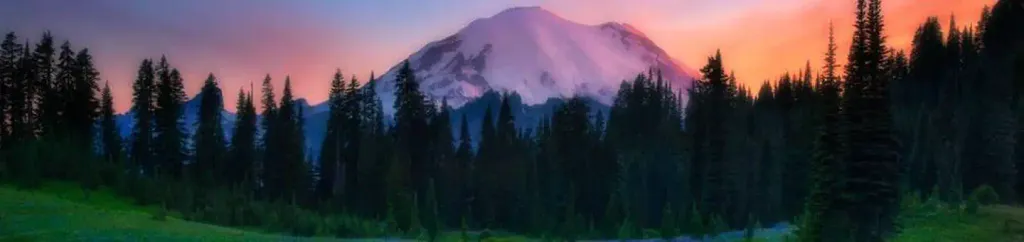
Carbonado sits at the western edge of Mount Rainier National Park's shadow, and the climbing around it reflects that geography — a mix of accessible bouldering and serious alpine objectives that share the same general address but almost nothing else in common.
19 spotsUpdated weeklyFree to access
View on mapRock Climbing · 19 spots
Carbonado sits at the western edge of Mount Rainier National Park's shadow, and the climbing around it reflects that geography — a mix of accessible bouldering and serious alpine objectives that share the same general address but almost nothing else in common. The Melmont boulders offer a low-commitment entry point close to town, while problems like Claytonia arete, Cherry-Cow-la, and the cluster around Mini cow and Bread Loaf give boulderers a reason to make repeat trips. On the other end of the spectrum, the glaciated routes on Mount Rainier — Liberty Ridge, Curtis Ridge, Emmons Glacier, Disappointment Cleaver, and others — are full mountaineering undertakings that require crevasse rescue skills, glacier travel experience, and a permit. The Upper Castle Toprope Wall rounds out the list as a more approachable roped option for climbers who want vertical rock without committing to a summit push. With 19 active listings across bouldering, trad-style rock, and ice and glacier routes, this area rewards climbers who know what they're looking for before they show up. The gap between a casual bouldering afternoon at Melmont and a Liberty Ridge attempt is significant, so matching your objective to your actual skill set matters here more than most places.
For the Mount Rainier routes — including Liberty Ridge, Disappointment Cleaver, Emmons Glacier, Curtis Ridge, and Ptarmigan Ridge — you need a climbing permit from the National Park Service. Permits are required for any climber going above 10,000 feet or onto glaciated terrain. The bouldering areas like Melmont boulders do not require a climbing-specific permit, though a standard park or recreation pass may apply depending on the access point.
Bouldering at spots like Melmont, Mini cow, and the Bread Loaf and Cherry-Cow-la problems is most accessible from late spring through fall, once snow has cleared the approaches. The glacier and ice routes on Rainier — Emmons Glacier, Liberty Ridge, Disappointment Cleaver — are typically climbed May through July, when snow bridges are still stable and before summer heat increases rockfall and crevasse hazard. Sunset Ridge and the other ice climbing listings are winter and early spring objectives.
Sunset Ridge
~15 min drive
A worthwhile stop near Washington.
Bread Loaf
~15 min drive
A worthwhile stop near Washington.
Upper Castle Toprope Wall
~15 min drive
A worthwhile stop near Washington.
Mount Rainier
~16 min drive
Alpine rock and mixed climbing on Washington's highest peak.
Ptarmigan Ridge
~15 min drive
A worthwhile stop near Washington.
Cherry-Cow-la
~16 min drive
A worthwhile stop near Washington.
Frosted Flake
~22 min drive
A worthwhile stop near Washington.
Melmont boulders
~16 min drive
Washington bouldering area with varied problems and natural rock formations.
Disappointment Cleaver
~15 min drive
A worthwhile stop near Washington.
Dinner for 2... +1
~16 min drive
A worthwhile stop near Washington.
Choose Wisely
~22 min drive
A worthwhile stop near Washington.
Mini cow boulder
~16 min drive
Compact Washington boulder field with accessible problems for focused bouldering.
Bouldering
Carbonado, Washington
Ice climbing
Carbonado, Washington
Ice climbing
Carbonado, Washington
Ice climbing
Carbonado, Washington
Rock climbing
Carbonado, Washington
Bouldering
Carbonado, Washington
Rock climbing
Carbonado, Washington
Rock climbing
Carbonado, Washington
Rock climbing
Carbonado, Washington
Ice climbing
Carbonado, Washington
Ice climbing
Carbonado, Washington
Bouldering
Carbonado, Washington
Bouldering
Carbonado, Washington
Rock climbing
Carbonado, Washington
For the bouldering circuit — Melmont boulders, Mini cow, Claytonia arete, and similar spots — you'll want climbing shoes, a crash pad, and a brush. Approaches can be damp and mossy depending on the season, so trail shoes with grip are worth having. The Melmont area in particular sits in a forested, lower-elevation setting where conditions stay wetter longer into spring.
The Rainier objectives in this list range from demanding to serious expedition-level. Disappointment Cleaver is the most commonly climbed route and is considered the standard non-technical route, but it still involves glacier travel, crampon and ice axe use, and altitude. Liberty Ridge and Curtis Ridge are significantly more committing — both are long, exposed alpine routes that require solid ice climbing ability and experience managing objective hazard. Intermediate climbers should be honest about their glacier travel experience before attempting any of these.
The name suggests it's set up for toprope, which generally makes it more accessible than lead-only crags. It's a reasonable step up from bouldering if you're comfortable with basic anchor systems and want to practice on vertical rock without the full commitment of a Rainier route. Bring a standard sport or trad rack depending on how the anchors are set up, and confirm current conditions locally before heading out since access and anchor status at smaller crags can change.