Loading…


Utah · Rock Climbing
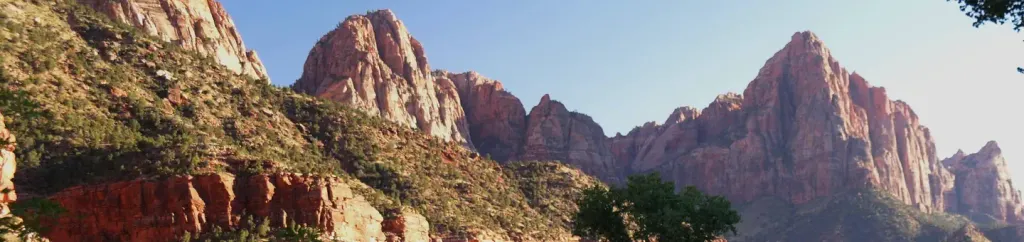
Rockville sits at the western edge of Zion Canyon country, and the sandstone walls rising around this small town offer legitimate sport and trad climbing without the permit headaches of the national park itself. The local hub is Rock Worship, a climbing area that draws regulars from St.
6 spotsUpdated weeklyFree to access
View on mapRock Climbing · 6 spots
Rockville sits at the western edge of Zion Canyon country, and the sandstone walls rising around this small town offer legitimate sport and trad climbing without the permit headaches of the national park itself. The local hub is Rock Worship, a climbing area that draws regulars from St. George and visiting climbers who want to stay on rock longer than a single-day Zion trip allows. The routes here run a real range -- Polydigitorum and Alt Tower Traverse reward climbers comfortable moving on exposed terrain, while routes like C-Section and Tweeties Demise give you a sense of what the local sandstone actually demands before you commit to something bigger. Apostacy of Warren Jeffs is one of the more talked-about lines in the area, the kind of route that ends up on people's tick lists for reasons beyond just the grade. The rock is Navajo sandstone -- grippy when dry, dangerously slick when wet or cold -- so conditions matter more here than in granite country. Spring and fall are the reliable windows. Summer sends daytime temps well above 100°F in the canyon bottoms, and winter can leave holds wet and shaded for days. If you're driving in from out of state, Rockville is about 15 minutes from Springdale, which means lodging and resupply are easy to sort without camping in the dirt.
March through May and September through November are the sweet spots. Daytime highs sit in the 60s and 70s°F, the rock dries quickly after rain, and you can climb through most of the day. Summer is genuinely dangerous for afternoon climbing -- shade disappears fast on south-facing walls and the sandstone holds heat. Winter is possible on sunny days but wet or cold rock is a real hazard on Navajo sandstone.
The area has routes that will challenge a range of climbers, but this is not a beginner crag in the gym-to-outdoor sense. Routes like Alt Tower Traverse and Polydigitorum involve exposed movement that requires solid footwork and comfort on sandstone, which behaves differently from limestone or granite. If you're newer to outdoor climbing, go with someone who has climbed Navajo sandstone before -- the texture is forgiving when dry but the consequence of a slip is real.
Rock Worship
Utah climbing area with varied routes and formations.
C-Section
A worthwhile stop near Utah.
Northeast Flake
~20 min drive
A worthwhile stop near Utah.

Colorado City Area
~5 min drive
Red rock climbing in Utah's Colorado City Area with varied sport and trad routes.
Tweeties Demise
A worthwhile stop near Utah.
Southwest Arete
~20 min drive
A worthwhile stop near Utah.

Drilled Pocket Boulder
~22 min drive
Utah boulder field with distinctive pocketed rock and engaging technical climbing.
Polydigitorum
A worthwhile stop near Utah.
Beef Curry
~21 min drive
A worthwhile stop near Utah.

Watchman, The
~19 min drive
Utah red rock crag with varied climbing and scenic desert views.
Wally's Route
~5 min drive
A worthwhile stop near Utah.
Not Ideal Seal
~21 min drive
A worthwhile stop near Utah.
A standard sport rack covers most routes if the area is predominantly bolted, but verify the specific route before you leave the car -- some lines at Rock Worship may require trad gear or a mix. Bring more water than you think you need; the desert air is dry and approaches in southern Utah dehydrate you faster than you expect. Helmets are worth it on sandstone where loose rock is more common than on older, more traveled crags.
Early morning starts are smart for most of the year. In spring and fall you can often climb from sunrise until early afternoon before the sun angle makes south-facing walls uncomfortable. In summer, if you climb at all, stick to the first two hours after sunrise and get off the rock before 10 a.m. Check which direction your target route faces -- a north-facing wall in November may stay cold and shaded all day.
Rockville climbing areas are outside Zion National Park boundaries, so you do not need a park permit to access them. That said, land ownership around Rockville is a mix of private, state, and BLM parcels, so check current access status through the American Alpine Club or Mountain Project before your trip -- access situations in this corridor can change. Respect any posted closures and park where you're not blocking ranch roads or private driveways.