Loading…

Wyoming · Rock Climbing
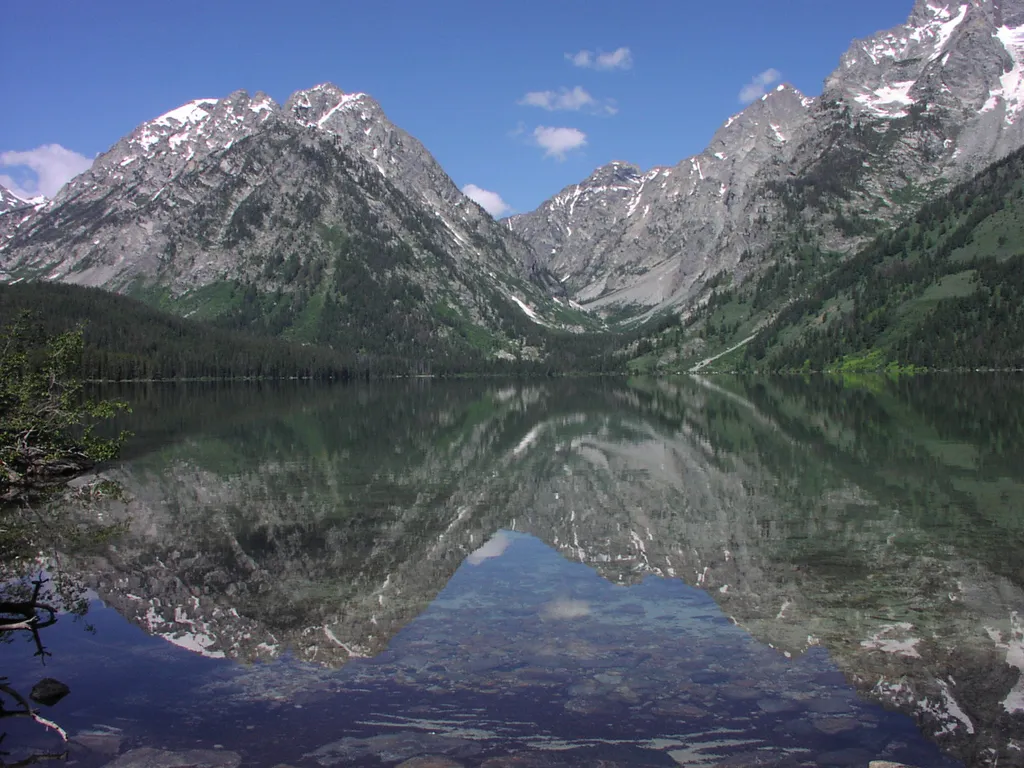
Moran, Wyoming sits at the base of one of the most striking climbing objectives in the American West: Mount Moran, a 12,605-foot block of gneiss and granite that dominates the northern Teton skyline.
11 spotsUpdated weeklyFree to access
View on mapRock Climbing · 11 spots
Moran, Wyoming sits at the base of one of the most striking climbing objectives in the American West: Mount Moran, a 12,605-foot block of gneiss and granite that dominates the northern Teton skyline. Unlike the more trafficked routes on the Grand Teton to the south, the 11 routes catalogued here reward climbers who are willing to put in longer approaches and deal with more complex route-finding. The climbing is concentrated on Mount Moran itself, with options spread across the South Buttress -- including the South Buttress Right, South Buttress Prow, South Buttress Hodini, and the Direct South Buttress -- as well as the No Escape Buttress, which hosts both the West Arete and Smoke & Mirrors. The North Ridge and Triple Glaciers NNW Face round out the mountain's major lines, while the CMC Route and South West Couloir offer more moderate paths to the summit. Most routes involve glacier travel or steep snow in addition to technical rock, so this is not a destination for single-pitch sport climbers looking for a quick outing. The approach across Leigh Lake and through dense forest adds commitment to every objective here. Plan for full alpine days.
The routes listed here range from moderate alpine (the CMC Route and South West Couloir) to serious technical climbing on the Direct South Buttress and No Escape Buttress lines. Even the easier routes involve glacier travel, route-finding on mixed terrain, and long days, so solid trad climbing experience and comfort on snow and ice are baseline requirements. The South Buttress routes in particular are committing multi-pitch objectives that demand efficient movement and self-rescue competence.
July through early September is the primary window. Snow lingers on the upper mountain and approach glaciers well into summer, and afternoon thunderstorms are a consistent hazard from mid-July onward. Early-season ascents in June are possible on some routes but require crampons and ice axe proficiency for heavier snowpack. By late September, early winter conditions can return quickly.
South Buttress Prow
A worthwhile stop near Wyoming.
Mount Moran
Alpine climbing on Wyoming's iconic peak with varied routes and mountain exposure.
Hidden Couloir
~1 min drive
A worthwhile stop near Wyoming.
Eczema Traverse
~8 min drive
A worthwhile stop near Wyoming.
South Buttress Hodini
A worthwhile stop near Wyoming.
Symmetry Spire
~7 min drive
Alpine granite climbing in Wyoming's Wind River Range.
Leaping Deer Couloir
~7 min drive
A worthwhile stop near Wyoming.
Eczema Direct
~8 min drive
A worthwhile stop near Wyoming.
No Escape Buttress Smoke & Mirrors
A worthwhile stop near Wyoming.
Cascade Canyon
~9 min drive
Wyoming canyon climbing with scenic multipitch and single-pitch routes.
North Scoop
~10 min drive
A worthwhile stop near Wyoming.
No Escape Buttress, West Arete
A worthwhile stop near Wyoming.
Mount Moran falls within Grand Teton National Park, which requires a backcountry permit for overnight stays. Day climbs do not require a climbing-specific permit, but you are still subject to park entrance fees and regulations. If your route requires camping on the mountain or at a designated backcountry site, secure your permit through the park's backcountry office in advance, especially for peak summer dates.
The standard approach involves a boat shuttle or paddling across Leigh Lake, followed by a trail and off-trail hike through forest and moraine to the base of the mountain. The boat shuttle from String Lake trailhead cuts significant time off the approach. From there, route-specific access varies -- the South Buttress routes trend left, while the North Ridge and Triple Glaciers NNW Face require working around to the mountain's other aspects.
A standard Teton rack covers most of the rock climbing: a set of nuts, cams from finger-size to fist-size, and a few larger pieces depending on the specific line. Crampons and an ice axe are typically necessary for the glacier approach and any snow on the upper mountain, even in midsummer. Bring a helmet -- rockfall is a real hazard on the busier South Buttress routes. Given the length of these days, headlamps, extra layers, and rain gear are not optional.