Loading…
Tennessee · Rock Climbing
Jonesborough sits in the northeastern corner of Tennessee, and while it's better known as the state's oldest town, the surrounding area holds a legitimate mix of rock climbing and bouldering worth making a trip for.
10 spotsUpdated weeklyFree to access
View on mapRock Climbing · 10 spots
Jonesborough sits in the northeastern corner of Tennessee, and while it's better known as the state's oldest town, the surrounding area holds a legitimate mix of rock climbing and bouldering worth making a trip for. The 10 listed areas cover a range of styles — technical face climbing on routes like Foot Work and Wash Board, crack climbing on Back Crack, and a solid bouldering circuit that includes Seed, Levitate, La Cascada, and Subterranean Homesick. Blue Hole Falls and the Highball Area round things out as dedicated climbing zones, the latter carrying the kind of name that tells you exactly what you're signing up for. The bouldering here skews toward problems that reward body positioning and footwork over raw power, which makes it a reasonable destination for intermediate climbers looking to sharpen technique without committing to a full trad rack. That said, the Highball Area is not the place to show up undertrained. If you're coming from outside the region, Jonesborough is a manageable base — small enough to navigate easily, close enough to the rock that you're not burning an hour of daylight on the drive.
The listings cover both roped rock climbing and bouldering. Named routes like Foot Work, Wash Board, Back Crack, and Feeding the Spyders suggest roped climbing with varied technique demands, while Seed, Levitate, La Cascada, and Subterranean Homesick are dedicated bouldering problems. Blue Hole Falls and the Highball Area are listed as climbing areas rather than single routes, so they likely contain multiple lines.
The mix of areas suggests options for intermediate and experienced climbers. The Highball Area in particular implies serious consequence for falls, so it's not a beginner destination. Bouldering problems like Seed and Levitate are more approachable entry points if you're newer to the discipline, but you should have solid falling technique before attempting anything in the Highball Area.
Highball Area
~1 min drive
Tennessee bouldering area featuring high-ball problems for experienced climbers.
Speakeasy Arete
~9 min drive
A worthwhile stop near Tennessee.
Feeding the Spyders
~16 min drive
A worthwhile stop near Tennessee.
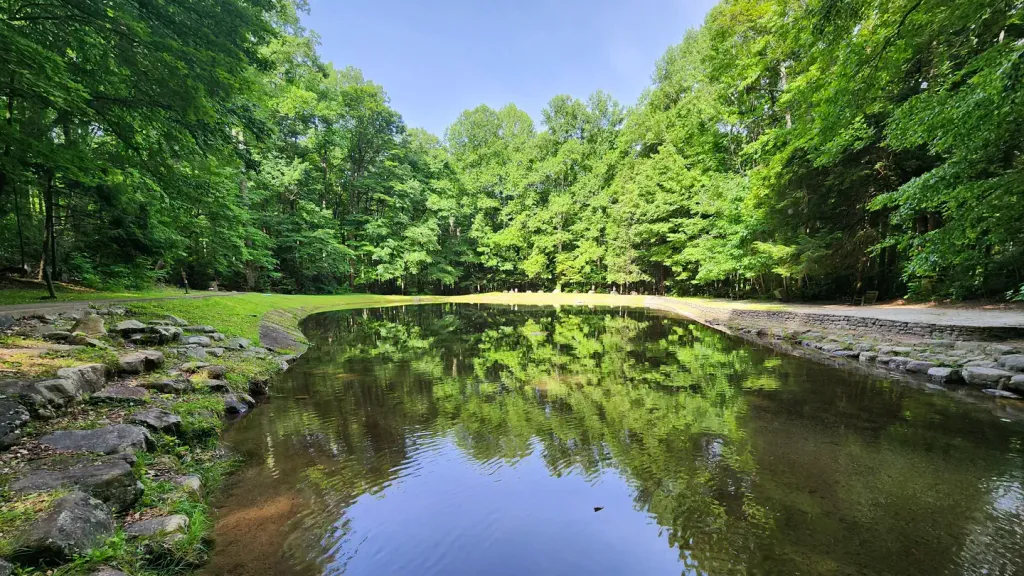
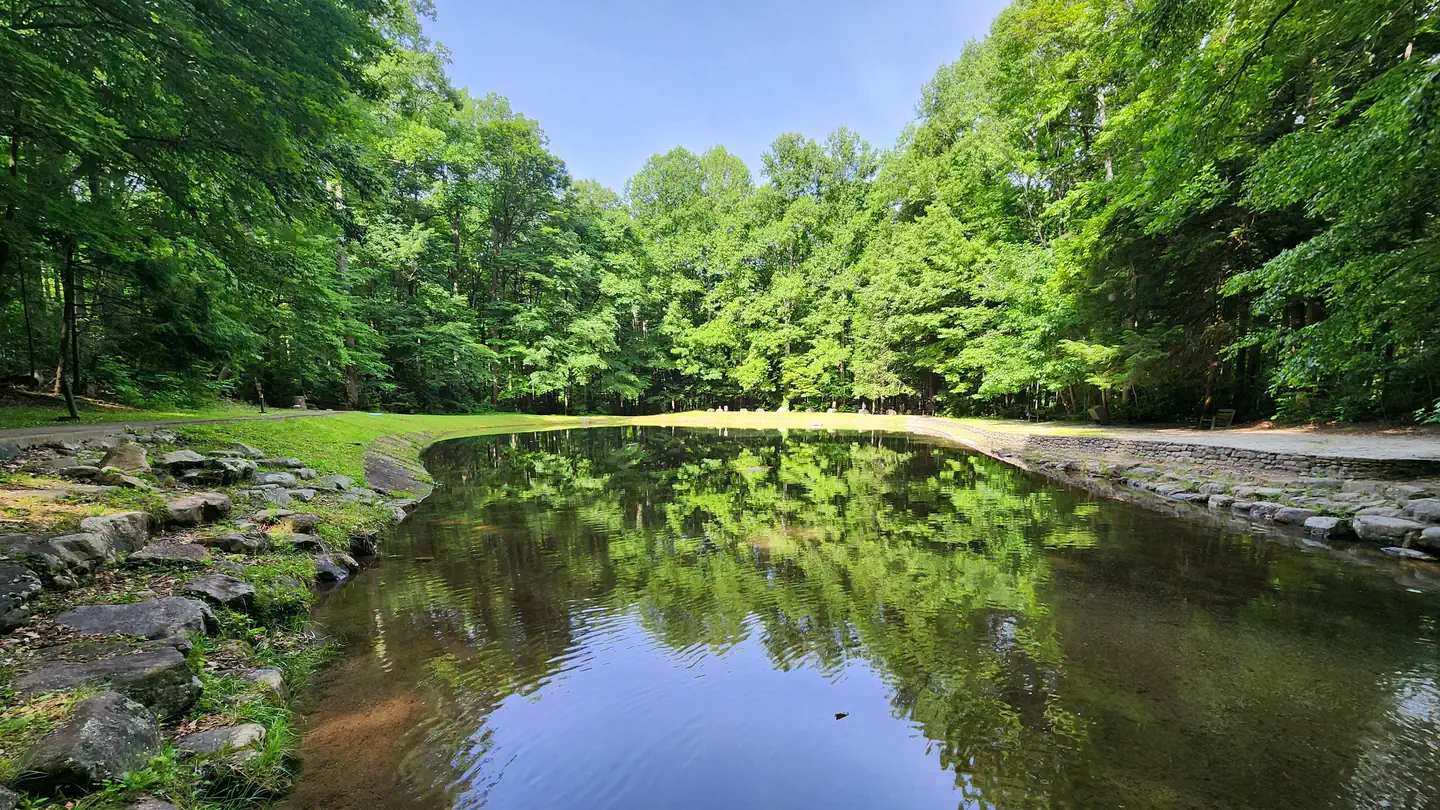
Blue Hole Falls
~1 min drive
Tennessee waterfall crag with scenic climbing near Blue Hole Falls.
Tennessee Shine
~9 min drive
A worthwhile stop near Tennessee.
Cat People
~21 min drive
A worthwhile stop near Tennessee.
Shaky Knees Boulder
~16 min drive
Tennessee bouldering area featuring natural stone problems for all levels.
Puddle Arete
~11 min drive
A worthwhile stop near Tennessee.
Mr. Clean
~21 min drive
A worthwhile stop near Tennessee.
Upper Blue Hole
~17 min drive
Tennessee climbing area with routes for multiple skill levels.
Woe
~16 min drive
A worthwhile stop near Tennessee.
Sunset
~21 min drive
A worthwhile stop near Tennessee.
For the bouldering areas — Seed, Levitate, La Cascada, Subterranean Homesick — you'll want a crash pad, climbing shoes, and a brush. Back Crack is a crack route, so a basic rack with hand-size gear is worth having. Check beta for specific routes before you go, since gear requirements vary and the listing data doesn't specify fixed protection.
Northeastern Tennessee generally offers the best climbing conditions in spring (March through May) and fall (September through November), when temperatures are cool and humidity is lower. Summer heat and humidity can make friction-dependent moves significantly harder and increase the chance of afternoon thunderstorms. Winter is climbable on dry days but watch for icy approaches, especially near Blue Hole Falls.
The listing data doesn't specify land ownership or parking details for these areas, so it's worth checking with a local climbing shop or the Mountain Project page for each area before your visit. Blue Hole Falls in particular is a named waterfall feature, which sometimes means shared use with hikers and potential seasonal closures — confirm access before making it your primary destination.