Loading…


Washington · Rock Climbing
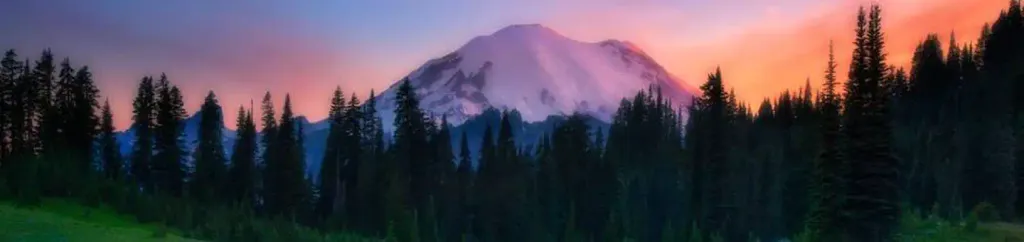
Packwood sits at the edge of Gifford Pinchot National Forest with the Tatoosh Range rising sharply to the north, and for climbers, that geography matters.
4 spotsUpdated weeklyFree to access
View on mapRock Climbing · 4 spots
No additional spots match this filter.
Packwood sits at the edge of Gifford Pinchot National Forest with the Tatoosh Range rising sharply to the north, and for climbers, that geography matters. The rock climbing here is concentrated in and around the Tatoosh Range climbing area, where routes like Classic Route, East Ridge, and The Roof give you a reasonable spread of objectives without requiring a long approach from a distant trailhead. Classic Route is the kind of line that earns its name by being a logical, well-traveled way up the rock rather than a gimmick. East Ridge offers a more committing experience for those who want exposure and movement over sustained terrain. The Roof is the technical outlier in this small collection, the sort of feature that filters out climbers who haven't put in time on overhanging rock. Packwood itself is a practical base: fuel, food, and lodging are available in town, which matters when you're staging an alpine start or recovering after a long day on the ridge. The climbing here won't overwhelm you with volume, but the Tatoosh Range setting is serious, and the routes reward preparation over improvisation.
The listed routes span a range of difficulty. Classic Route is the most approachable entry point, while The Roof requires solid experience on overhanging terrain. East Ridge involves ridge movement and exposure that suits intermediate to advanced trad climbers. If you're newer to outdoor climbing, Classic Route is the logical starting point, but come with someone who has led on real rock before.
The Tatoosh Range sits at elevation and holds snow well into spring, so July through September is the most reliable window for dry rock. August tends to offer the most stable weather. Early-season trips in June are possible in low-snow years but expect wet rock and lingering snow on approach trails.
East Ridge
~1 min drive
A worthwhile stop near Washington.
Tatoosh Range
~2 min drive
Alpine climbing in Washington's Tatoosh Range with exposed, serious terrain.
Sunset Ridge
~13 min drive
A worthwhile stop near Washington.
Bread Loaf
~13 min drive
A worthwhile stop near Washington.
Classic Route
~2 min drive
A worthwhile stop near Washington.
Mount Rainier
~11 min drive
Alpine rock and mixed climbing on Washington's highest peak.
Emmons Glacier
~13 min drive
A worthwhile stop near Washington.
Cherry-Cow-la
~42 min drive
A worthwhile stop near Washington.
The Roof
~2 min drive
A worthwhile stop near Washington.
North Fork Cliff
~38 min drive
Versatile Washington crag with routes for multiple ability levels.
Curtis Ridge
~13 min drive
A worthwhile stop near Washington.
Dinner for 2
~42 min drive
A worthwhile stop near Washington.
A standard trad rack is appropriate for the Tatoosh Range objectives. For The Roof specifically, make sure your rack includes gear suited to steeper, more strenuous placements. Helmets are non-negotiable given the alpine environment. Bring approach shoes in addition to climbing shoes since the terrain between the trailhead and the rock is real mountain ground.
The Tatoosh Range falls within Mount Rainier National Park boundaries, which requires a park entrance fee. Check current National Park Service guidelines before your trip, as overnight climbing and camping within the park may have additional registration requirements that can change season to season.
Alpine starts in the 5 to 6 a.m. range are standard practice for Tatoosh Range objectives. Afternoon thunderstorms are a real risk in summer, and being on exposed ridgeline or a route like East Ridge when weather moves in is a serious hazard. Aim to be off the upper mountain by early afternoon.