Loading…


New Mexico · Rock Climbing
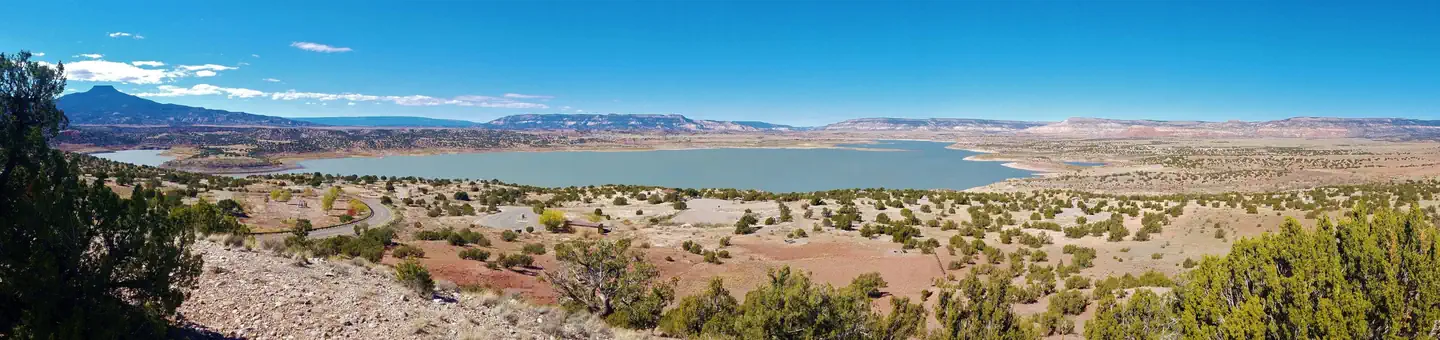
Cebolla sits in the high desert of northern New Mexico, close enough to the Ghost Ranch area that climbers passing through the region often add it to a broader Rio Chama corridor trip.
4 spotsUpdated weeklyFree to access
View on mapRock Climbing · 4 spots
No additional spots match this filter.
Cebolla sits in the high desert of northern New Mexico, close enough to the Ghost Ranch area that climbers passing through the region often add it to a broader Rio Chama corridor trip. The climbing here is concentrated around the Ghost Ranch Area, a landscape of red and ochre sandstone walls that have drawn climbers for decades. The listed routes — Regular Route, Royal Flush, and Burns-Baker Route — suggest a mix of established moderate lines and more committing terrain, though the area rewards climbers who come prepared to read the rock rather than rely on heavy fixed protection. This is not a sport-climbing gym with bolts every few feet; the Ghost Ranch vicinity tends toward traditional and adventure-style climbing on sedimentary stone. The setting is dramatic, the crowds are manageable compared to more heavily trafficked New Mexico destinations, and the approach terrain is high desert, which means sun exposure and temperature swings matter more than they might in a shaded canyon. If you're building a northern New Mexico climbing itinerary, Cebolla and the Ghost Ranch area pair naturally with a base in Abiquiu or Chama.
The listed routes include Regular Route, Royal Flush, and Burns-Baker Route in the Ghost Ranch Area. The names suggest a range of established lines, but without published grade data in the current listing set, plan to cross-reference a current guidebook or Mountain Project before committing to a specific objective. Intermediate trad climbers comfortable on sandstone will find the area worth the drive.
Spring (April through early June) and fall (September through October) are generally the most reliable windows for high desert sandstone climbing in northern New Mexico. Summer afternoons bring thunderstorms and intense heat on south-facing walls, and wet sandstone in this region is fragile and should not be climbed on. Winter days can be climbable on sunny walls, but morning temperatures drop sharply at this elevation.
Royal Flush
~7 min drive
A worthwhile stop near New Mexico.
Main Wall
~24 min drive
Versatile New Mexico crag with routes for multiple skill levels.
Regular Route
~16 min drive
A worthwhile stop near New Mexico.
Ghost Ranch Area
~3 min drive
Desert climbing on Ghost Ranch's varied New Mexico rock formations.
Big-Footed Fanny Mills
~23 min drive
A worthwhile stop near New Mexico.
Sideshow Attraction Wall
~23 min drive
Versatile New Mexico crag with routes for multiple skill levels.
Charming Chelsea Charms
~23 min drive
A worthwhile stop near New Mexico.
Little River Wall
~23 min drive
Riverside climbing crag in New Mexico with varied routes and scenic setting.
Two-Bit Hootchie-Kootchie Show
~23 min drive
A worthwhile stop near New Mexico.
Cobble Cave
~23 min drive
Unique cobbled rock climbing area in New Mexico with cave-like formations.
The Man With Two Penises
~23 min drive
A worthwhile stop near New Mexico.
El Rito Traditional Area
~26 min drive
Classic New Mexico trad climbing with crack and face routes.
Ghost Ranch is a conference and retreat center with land managed separately from surrounding Bureau of Land Management and Forest Service parcels. Access rules and any day-use fees can change, so contact Ghost Ranch directly before your trip to confirm current climbing access policies. Do not assume open access based on older trip reports.
A standard trad rack is appropriate for sandstone routes in this region, with extra attention to crack sizes common on the specific routes you're targeting. Bring more water than you think you need — the high desert air is dry and the sun is intense, especially on exposed walls. A helmet is strongly recommended on sedimentary rock where loose material is a real possibility.
Morning starts are smart for two reasons: you beat the midday heat on south and west-facing walls, and you're off exposed terrain before afternoon thunderstorms build, which can happen quickly in summer. East-facing routes get shade by early afternoon, making them more tolerable later in the day during warmer months.