Loading…

California · Rock Climbing
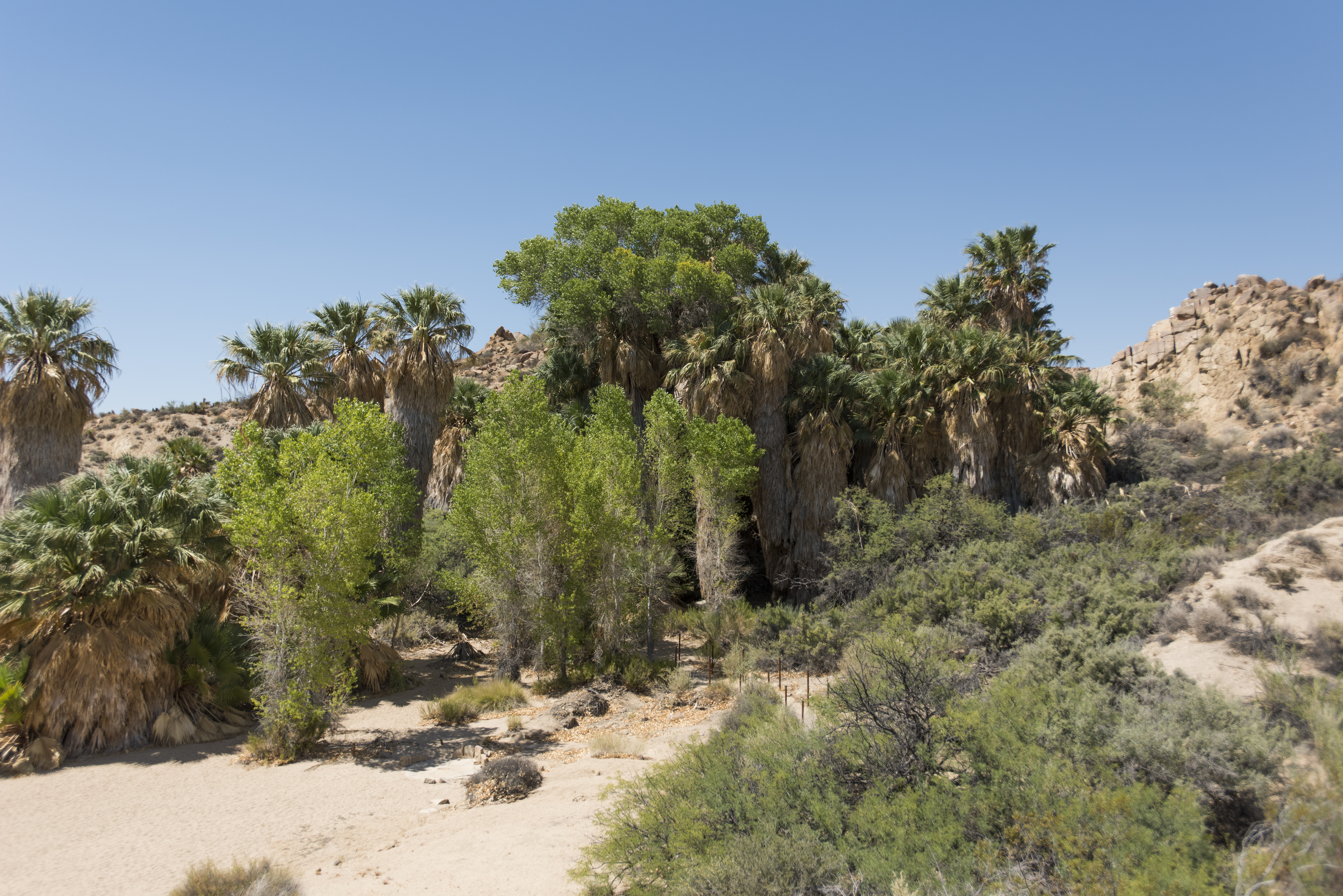
Indio sits at the edge of the Colorado Desert, and while the city itself is flat date-palm country, it puts you within striking distance of the climbing at Pinto Basin and the surrounding Joshua Tree region.
4 spotsUpdated weeklyFree to access
View on mapRock Climbing · 4 spots
No additional spots match this filter.
Indio sits at the edge of the Colorado Desert, and while the city itself is flat date-palm country, it puts you within striking distance of the climbing at Pinto Basin and the surrounding Joshua Tree region. The routes in this area lean toward desert crack and face climbing on granite and monzogranite, and the names on the local tick list — Love Bubbles, Baby Pillows, Babaloos — reflect the quirky naming tradition that longtime climbers here have kept alive. With only four active listings in scope, this isn't a destination for climbers chasing volume, but the quality of desert climbing in this corridor is real. The approach from Indio is straightforward, making it a practical base if you're also spending time in the Coachella Valley. Heat is the dominant planning factor: the window from roughly October through April is when most climbers show up, and for good reason. Summer temperatures routinely push past 110°F in the basin, which makes midday climbing genuinely dangerous rather than just uncomfortable. If you're coming from out of town and using Indio as your hub, you'll want an early start, plenty of water, and a clear turnaround time built into your day before the sun gets high.
October through April is the reliable window for desert climbing in this area. Winter days are typically clear and cool enough for sustained climbing, though nights can drop near freezing, so layer up on early starts. Spring weekends get busy as word spreads that the weather is good, so arriving midweek gives you a quieter experience at spots like Pinto Basin.
Start as early as you can manage — ideally at first light. Desert rock absorbs heat quickly, and by late morning on a warm day, south-facing walls become uncomfortable and potentially unsafe. Aim to be off the rock and back at your car by noon or early afternoon during spring and fall, and avoid midday climbing entirely in summer.
Baby Pillows
A worthwhile stop near California.
Pinto Basin
Desert climbing in California's Pinto Basin with varied routes and exposed rock.
Love Bubbles
A worthwhile stop near California.
Joshua Tree National Park
~27 min drive
California desert granite climbing amid Joshua trees with routes for all levels.
Babaloos
A worthwhile stop near California.
Graham's Playpen
~35 min drive
Friendly California climbing area with routes for multiple ability levels.
The Black Wiener
~18 min drive
A worthwhile stop near California.
Routes East of Hershey Kiss
~35 min drive
Varied California climbing east of Hershey Kiss with routes for multiple abilities.
Craig
~18 min drive
A worthwhile stop near California.
Pyramid Tower and The Stirrup
~35 min drive
Classic California rock formations with crack and face climbing for intermediate to advanced climbers.
Moaning Man, The
~35 min drive
A worthwhile stop near California.
Graystone, The
~35 min drive
California gray stone climbing area with routes for multiple skill levels.
A standard desert trad rack covers most crack routes in this area — a set of cams from finger-size up through hand-size, a selection of nuts, and slings for the wandering lines. Sport routes exist as well, so draws are worth packing. Sun protection, a minimum of two liters of water per person, and a detailed paper or offline map are non-negotiable given how remote parts of Pinto Basin feel once you're out there.
The names suggest approachable climbing, and some routes in this cluster are on the easier end of the desert grade spectrum, but desert climbing in general rewards some prior experience with crack technique and route-finding. If you're new to trad climbing, going with someone who knows the area well is a smart call before committing to a full day out at Pinto Basin.
Pinto Basin falls within Joshua Tree National Park, which charges a per-vehicle entrance fee. That fee covers access for the duration of your visit, and America the Beautiful annual passes are accepted. Climbers do not need a separate climbing permit for day use, but overnight camping requires a campsite reservation, which should be booked well in advance during peak season.