Saratoga National Historical Park
National Historical Park · NY
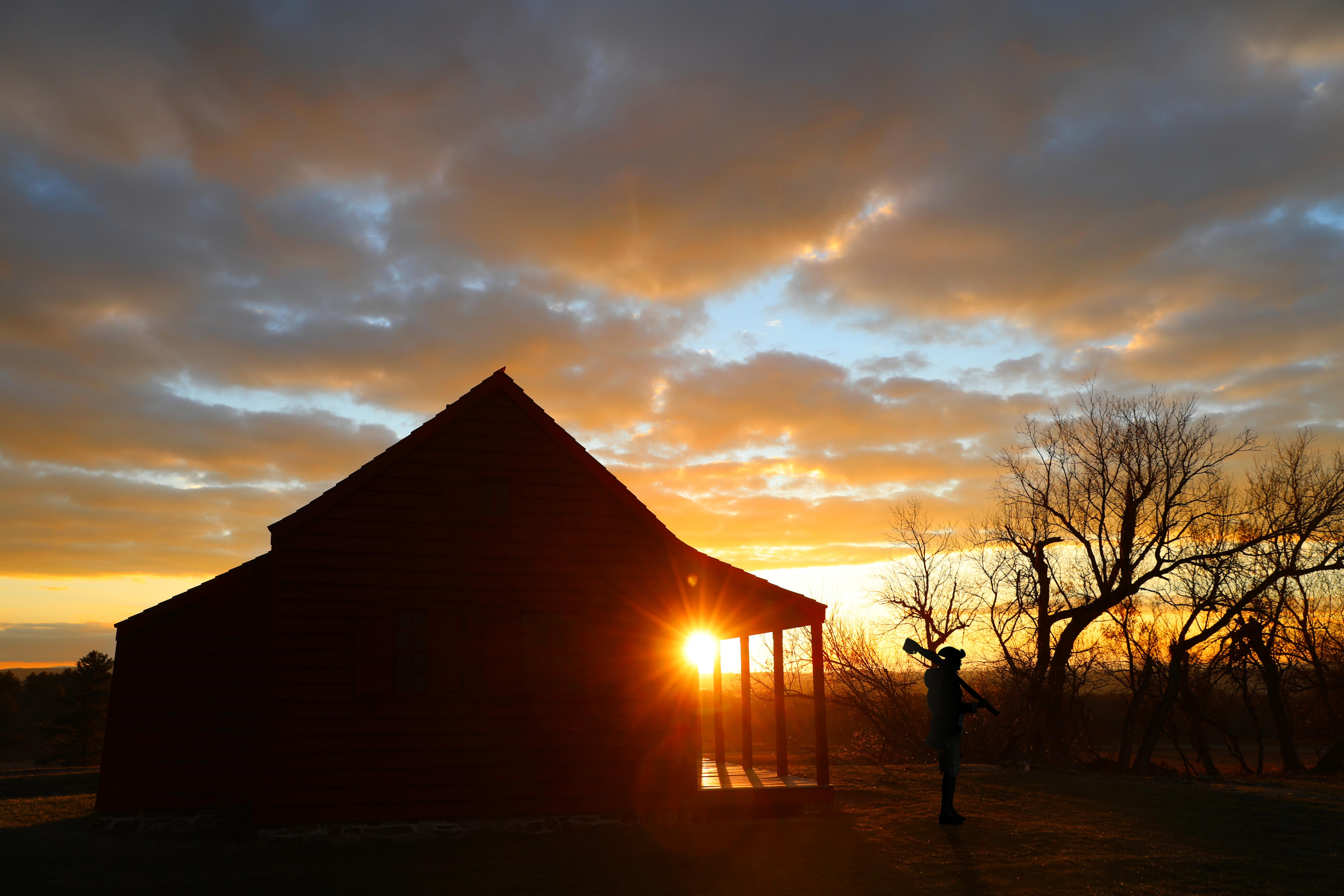 NPS Photo
- 31
- activities
- 11
- things to do
About Saratoga National Historical Park
In 1777, a large British invasion force met an equally large American army here at Saratoga. After two intense battles, an eight-mile retreat, and a three-day siege, British General John Burgoyne surrendered his entire force. This first ever surrender of a British Army is one of the pivotal moments in determining the outcome of the Revolutionary War, forever changing the future of the world.
- Things to doBike the Tour Road · Hike the Wilkinson Trail · Become a Saratoga B.A.R.K. Ranger
- Where to stay12 campgrounds nearby
Things to do
6 of 11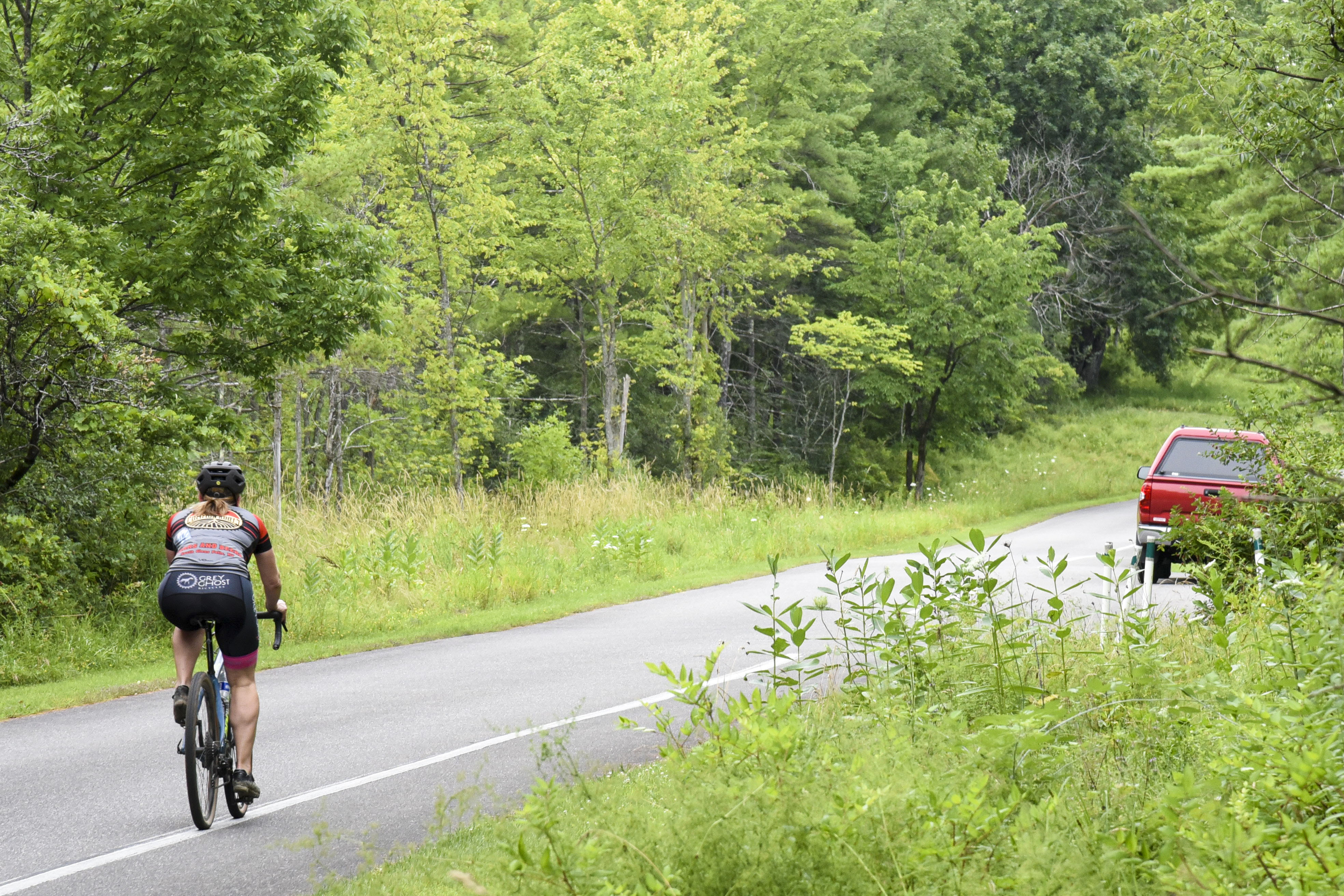 Bike the Tour Road1-3 HoursWhile Saratoga National Historical Park is primarily known for its history, we’re also a very popular spot for cycling; no matter your level of expertise!
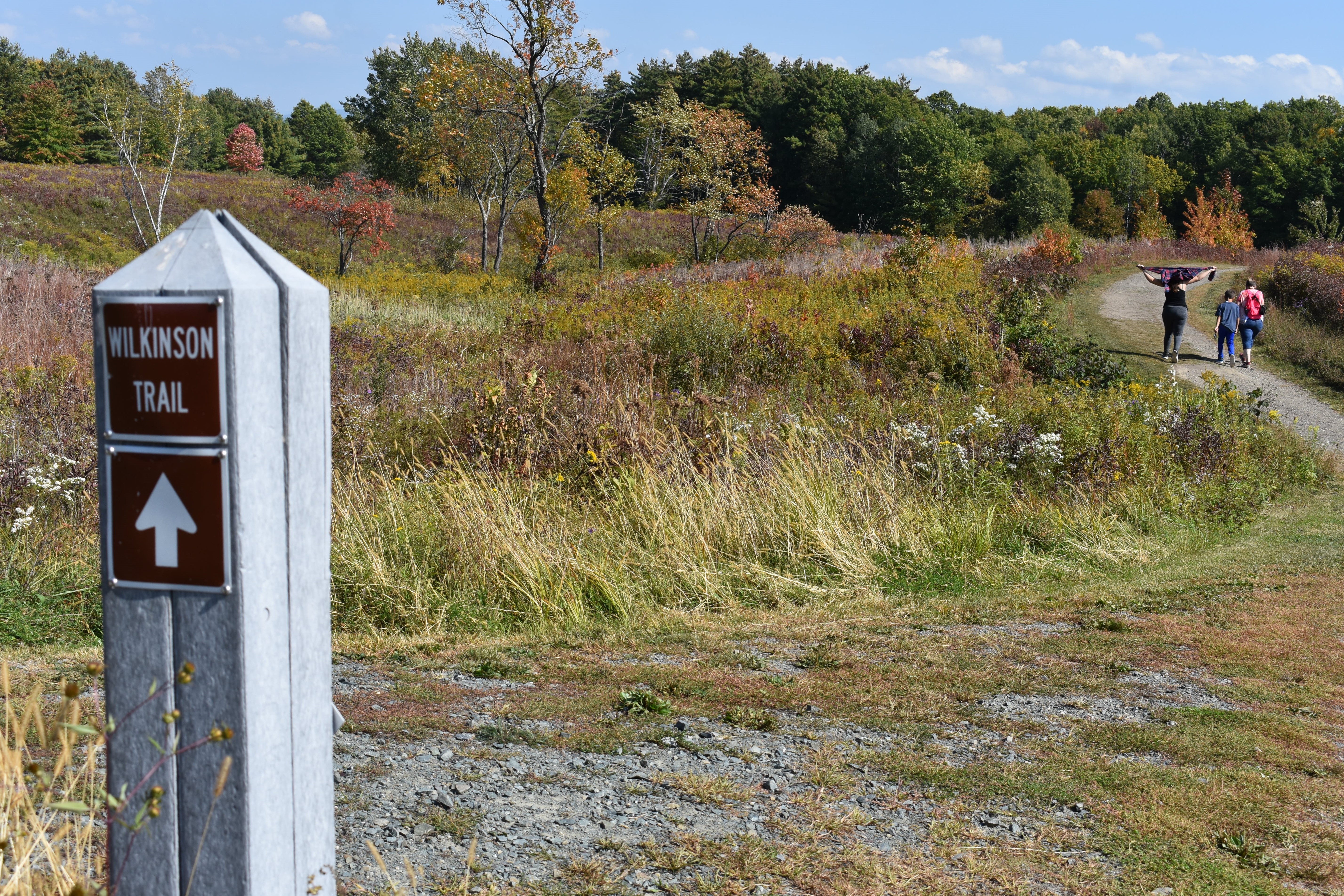 Hike the Wilkinson Trail1-3 HoursSaratoga National Historical Park preserves the sites associated with the 1777 Battles of Saratoga. Follow the footsteps of those before you as you hike along hallowed ground.
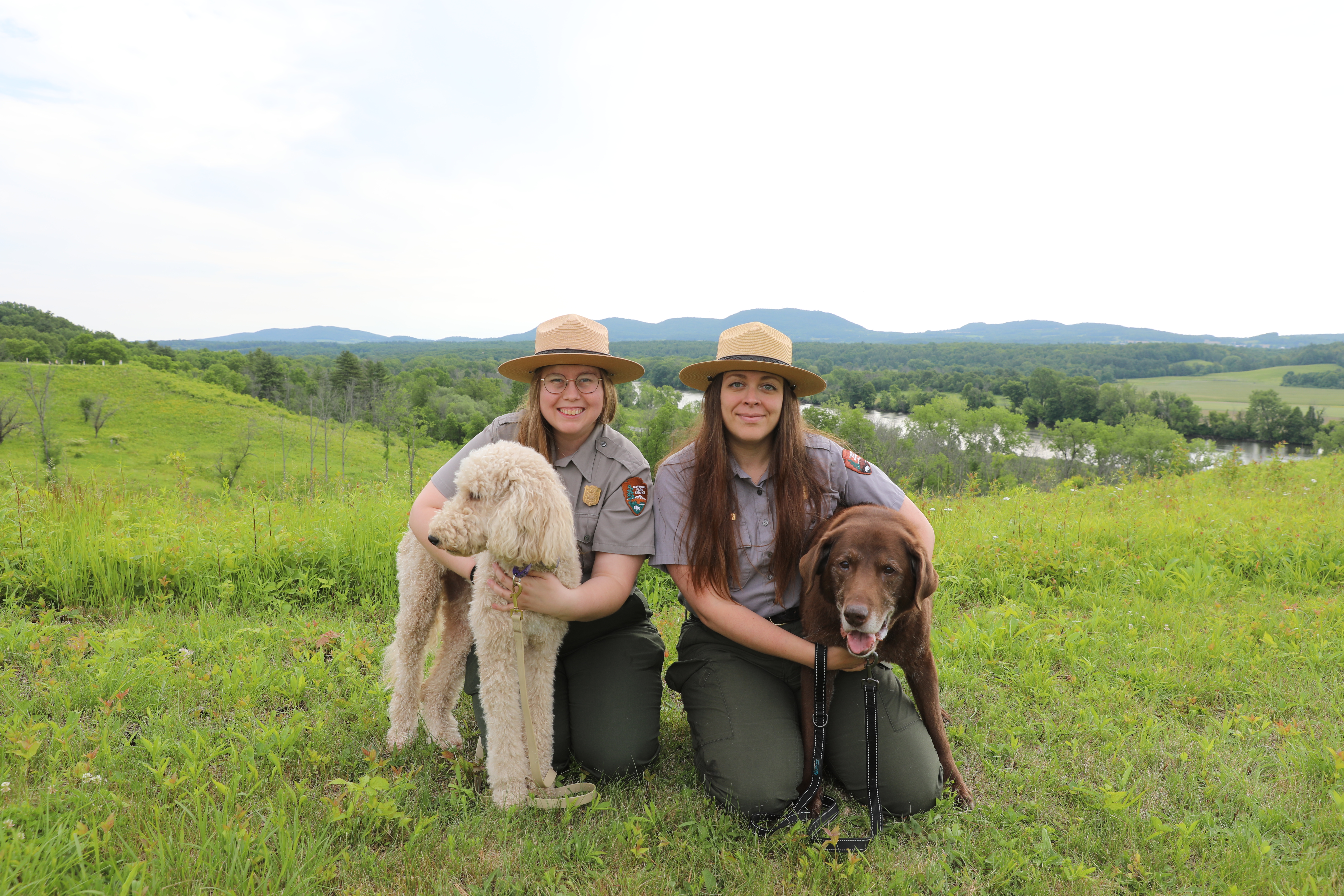 Become a Saratoga B.A.R.K. RangerDo you think your pet has what it takes to become an official Saratoga Bark Ranger? Learn about B.A.R.K. principles, complete activities, and check in with the rangers at the Visitor Center to get your four-legged friends certified!
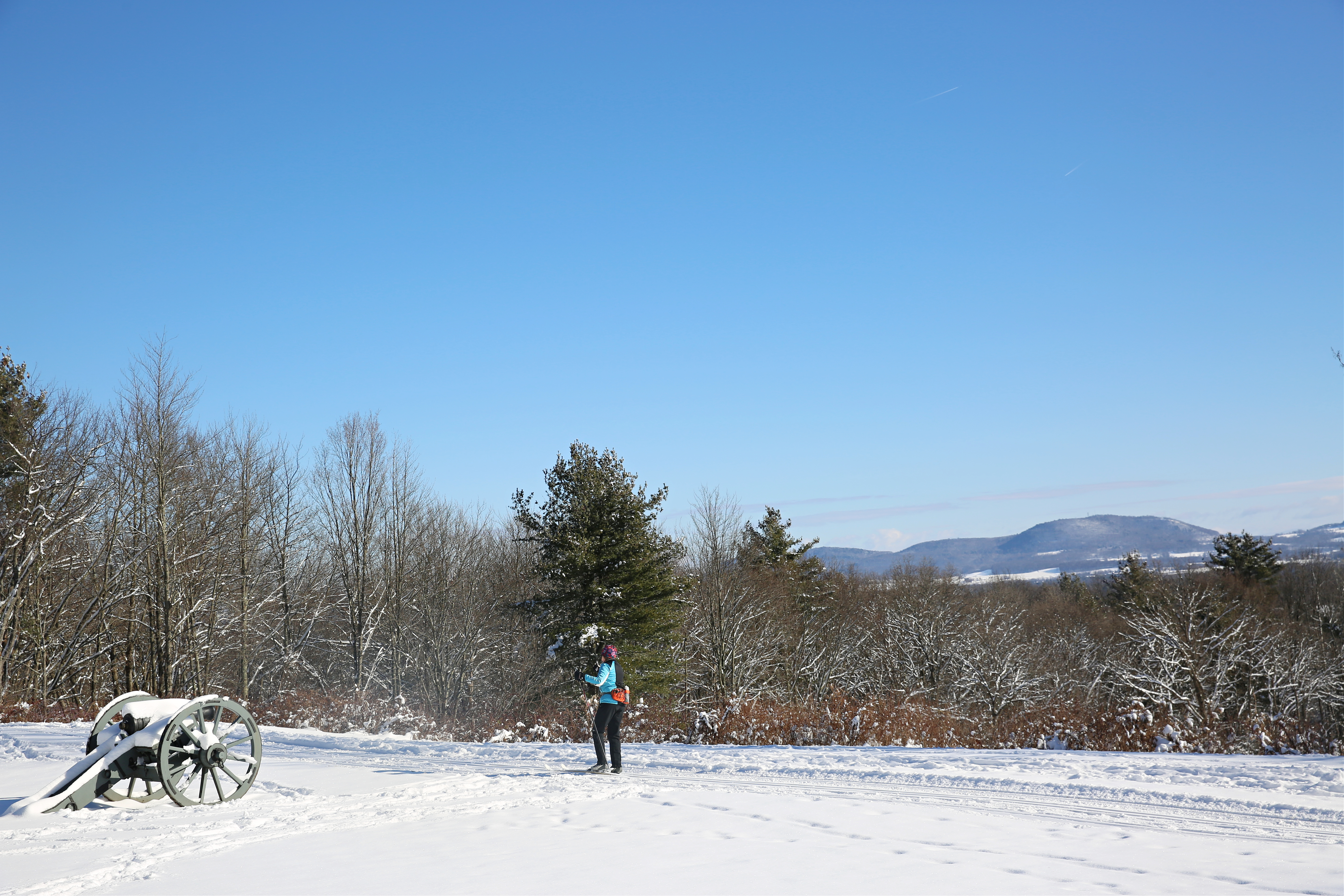 Winter Fun at SaratogaLearn about fun winter activities as Saratoga National Historical Park!
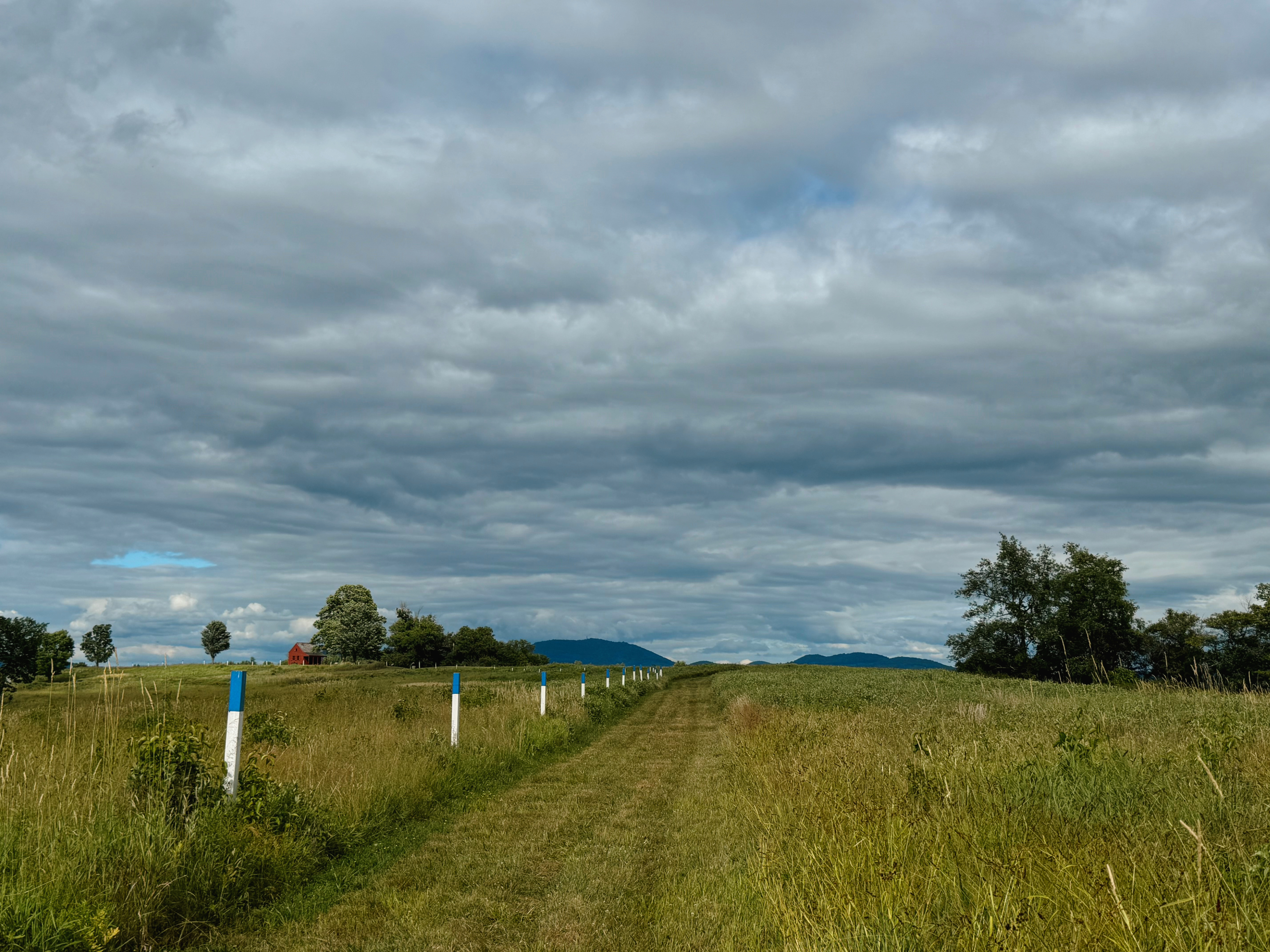 Horseback Riding at SaratogaRide on the historic grounds of the Saratoga Battlefield where in 1777, a large British invasion force met an equally large American army here. Visitors may bring their own horses to the battlefield unit and make use of our 7+ mile (round trip) Horse Trail.
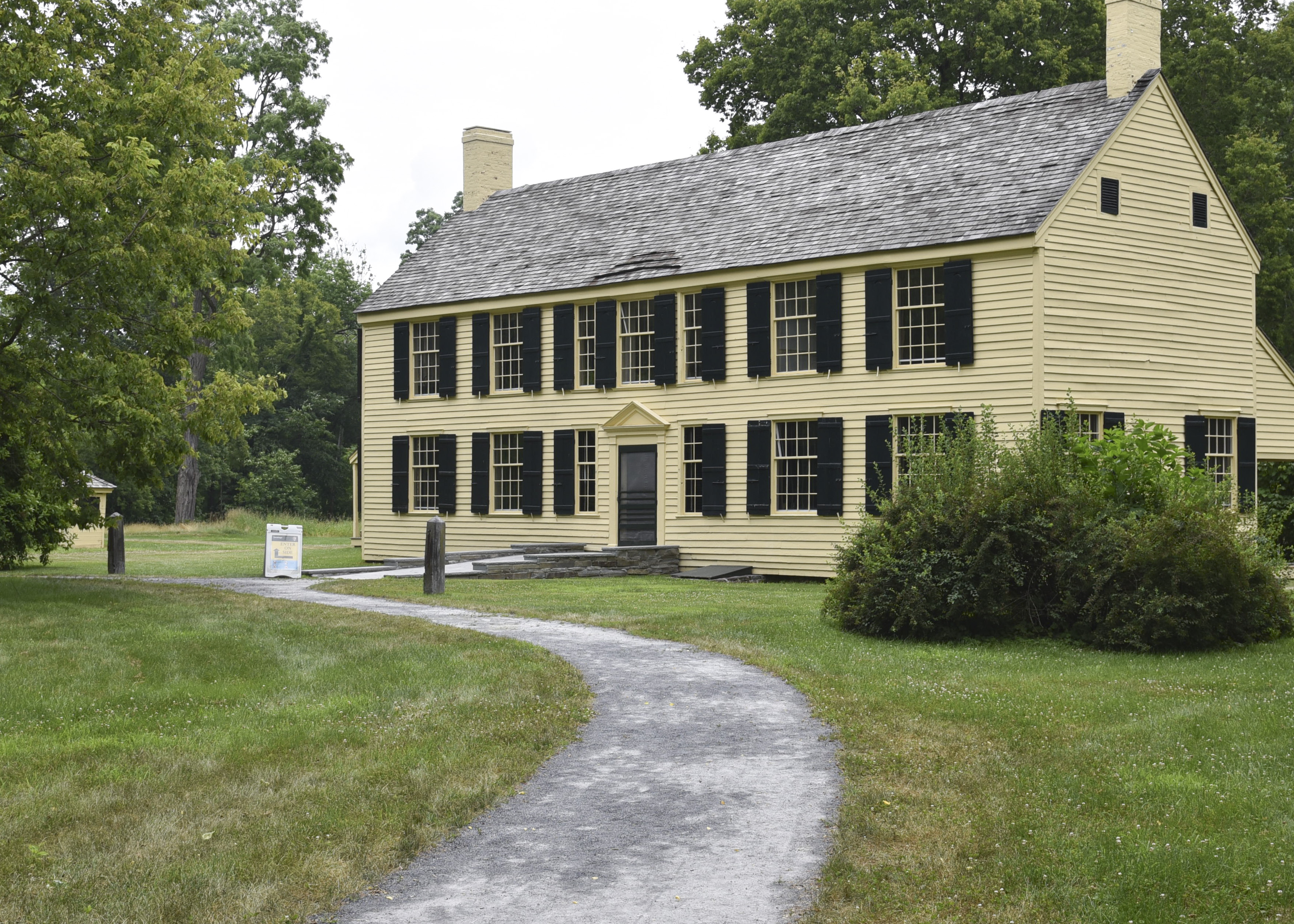 Tour the Philip Schuyler Country Estate15-60 MinutesBuilt in 1777, this northern plantation was the economic engine showcasing Philip Schuyler's wealth and success. Enslaved people and paid laborers worked in the timber mills, flax mills, grist mills, gardens, and herring fishery, providing the income to sustain this upper class family. Today, the estate stands as a testament to those who toiled, and to evolving times.
