Utah · Fishing
Fishing in Duck Creek Village, Utah
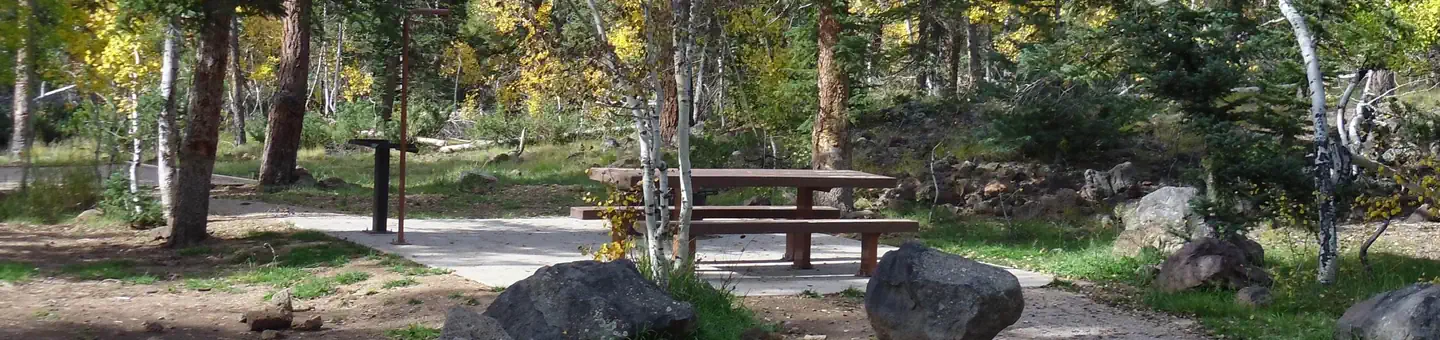
Duck Creek Village sits at around 8,400 feet in the Dixie National Forest, and the fishing here is built around a handful of cold-water lakes and streams within a short drive of the village itself.
7 spotsUpdated dailyFree to access
View on mapFishing · 7 spots
Featured spots


All spots · 7 spots
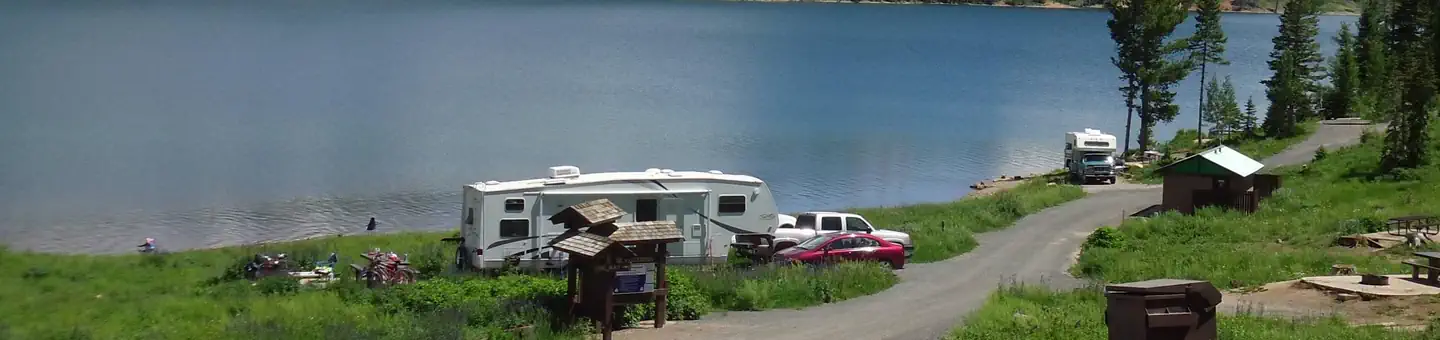
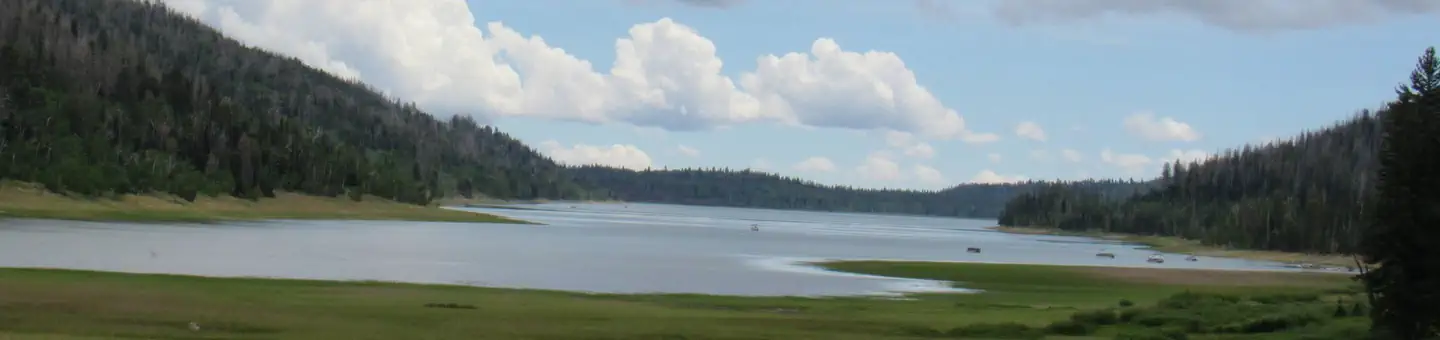
Duck Creek Village sits at around 8,400 feet in the Dixie National Forest, and the fishing here is built around a handful of cold-water lakes and streams within a short drive of the village itself. Navajo Lake is the centerpiece — a high-elevation lake that consistently draws anglers looking for trout in a setting that doesn't require a long hike to reach. Te-Ah and Duck Creek round out the local options, both managed under the Cedar City Ranger District, which oversees access and stocking for much of this area. Surf fishing is also viable at spots like Spruces Campground and Navajo Lake Campground, where the shoreline is accessible enough that you don't need a boat to fish effectively. The season here runs roughly Memorial Day through early October before snow and road conditions make access unreliable, though serious anglers sometimes push into late September when crowds thin out and fish are actively feeding before winter. If you're coming from lower elevations, plan for cooler temperatures than you'd expect — mornings at this altitude can be cold even in July, and that actually works in your favor on the water.
Frequently asked questions
What fish species can I expect to catch at Navajo Lake and the other waters around Duck Creek Village?
Navajo Lake and the surrounding waters are stocked with trout, which is the primary target for most anglers visiting this area. The specific mix of rainbow, brown, or brook trout can vary by season and stocking schedule, so checking with the Utah Division of Wildlife Resources before your trip will give you the most current picture.
Do I need a boat to fish Navajo Lake, or can I fish from shore?
Shore fishing is genuinely productive here. Navajo Lake Campground and Spruces Campground both offer surf fishing access where you can work the bank without a boat. A small kayak or canoe expands your options, but plenty of anglers do well from the shoreline with basic casting gear.
What time of day is best for fishing in this area?
Early morning is consistently the most productive window at high-elevation lakes like Navajo Lake and Te-Ah. Fish tend to move into shallower water as temperatures warm overnight, and surface activity is usually highest in the first two hours after sunrise. Evening can also be good, particularly in summer when midday sun pushes fish deeper.
What gear should I bring for lake fishing at this elevation?
A light to medium spinning setup handles most situations well here. For shore fishing at Navajo Lake or Duck Creek, small spinners, PowerBait, and worms are reliable producers. If you're fly fishing, bring a selection of dry flies and nymphs sized for cold, clear mountain water. Don't forget layers regardless of the forecast — mornings at 8,400 feet are cold even in peak summer.
Are there any access or permit requirements I should know about before fishing in the Cedar City Ranger District?
You'll need a valid Utah fishing license, which you can purchase online through the Utah Division of Wildlife Resources before you arrive. Some campground areas like Spruces Campground may charge day-use fees for parking and access. It's worth contacting the Cedar City Ranger District directly for any current closures or specific regulations that apply to Navajo Lake or Te-Ah.
Keep exploring — more waters worth the drive
Spruces Campground (dixie Nf)
~2 min drive
A worthwhile stop near Utah.
Te-Ah
~5 min drive
A worthwhile stop near Utah.
White Bridge
~31 min drive
A worthwhile stop near Utah.
Navajo Lake Campground
~3 min drive
A worthwhile stop near Utah.
Duck Creek
~7 min drive
A worthwhile stop near Utah.
North Campground
~57 min drive
A worthwhile stop near Utah.
Panguitch Lake
~24 min drive
A worthwhile stop near Utah.
Pine Valley Guard Station
~1h 9m drive
A worthwhile stop near Utah.
Panguitch Lake
~27 min drive
A worthwhile stop near Utah.
Pine Lake Campground
~1h 20m drive
A worthwhile stop near Utah.
Navajo Lake
~2 min drive
A worthwhile stop near Utah.
Cedar City Ranger District
~11 min drive
A worthwhile stop near Utah.