Utah · Fishing
Fishing in Boulder, Utah
Boulder, Utah sits at the edge of the Dixie National Forest and Grand Staircase-Escalante, and the fishing around here is almost entirely lake-based — high-elevation mountain lakes scattered across the Aquarius Plateau.
18 spotsUpdated dailyFree to access
View on mapFishing · 18 spots
Featured spots
All spots · 18 spots

Lake fishing
Chriss Lake
Boulder, Utah

Lake fishing
Cresecent Lake
Boulder, Utah
Lake fishing
Cyclone Lake
Boulder, Utah
Lake fishing
Deer Creek Lake
Boulder, Utah
Lake fishing
Deer Creek Lake
Boulder, Utah
Lake fishing
Elbow Lake
Boulder, Utah
Lake fishing
Grass Lake
Boulder, Utah
Lake fishing
Green Lake
Boulder, Utah
Lake fishing
McGath Lake
Boulder, Utah

Lake fishing
Purple Lake
Boulder, Utah
Lake fishing
Rim Lake
Boulder, Utah
Lake fishing
Spectacle Lake
Boulder, Utah
Lake fishing
Upper Pleasant Creek Campground
Boulder, Utah
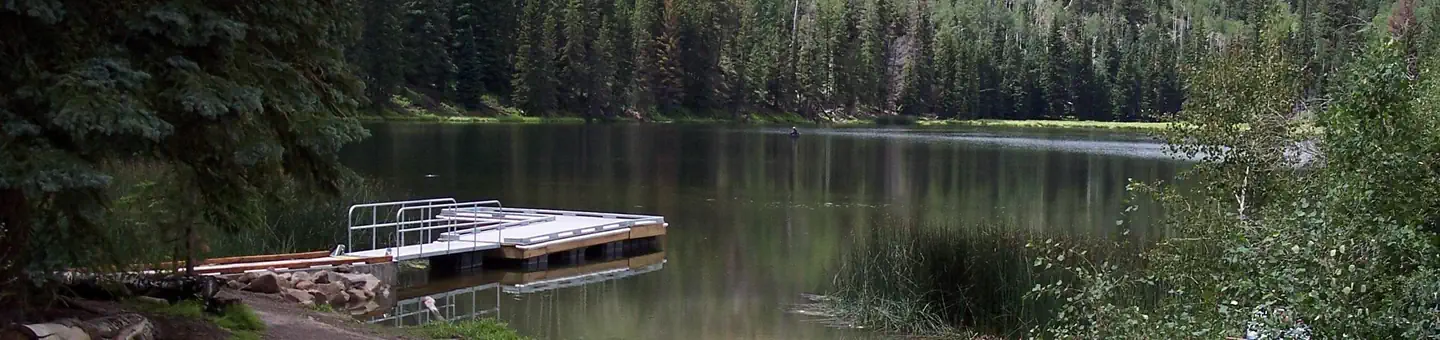
Boulder, Utah sits at the edge of the Dixie National Forest and Grand Staircase-Escalante, and the fishing around here is almost entirely lake-based — high-elevation mountain lakes scattered across the Aquarius Plateau. The 18 fishable spots in and around Boulder lean heavily toward lake fishing, with waters like Posey Lake, Deer Creek Lake, Spectacle Lake, and McGath Lake drawing anglers willing to make the drive up rough forest roads. Rim Lake, Purple Lake, Cyclone Lake, and smaller pockets like Auger Hole and Elbow Lake round out the options for those who want to get off the main track. There is one river fishing access point at Cowpuncher Guard Station, which sits along Pleasant Creek drainage and offers a different experience from the plateau lakes. Most of these lakes sit above 9,000 feet, so the season runs roughly late May through October depending on snowpack and road conditions in a given year. This is not a destination for someone who wants a boat ramp and a bait shop nearby — Boulder is remote, services are minimal, and that is exactly the point. If you are willing to plan ahead and carry what you need, you will have water largely to yourself.
Frequently asked questions
What species can I expect to catch in the Boulder area lakes?
The high-elevation lakes on the Aquarius Plateau are stocked primarily with trout — rainbow and brook trout are the most common. Some of the larger lakes like Posey Lake and Deer Creek Lake tend to hold fish more consistently through the season because they have greater depth and don't winterkill as easily as smaller, shallower lakes like Grass Lake or Crescent Lake.
When is the best time of year to fish around Boulder, Utah?
Late June through September is the most reliable window. Many of the forest roads to lakes like McGath, Cyclone, and Purple Lake are blocked by snow or mud well into May, and some years into early June. By late September the fish are actively feeding before ice-up, which makes it one of the better times to visit if you can handle cold mornings.
What gear should I bring for fishing these mountain lakes?
A light to medium spinning setup works well for most of these lakes. Small spinners, PowerBait, and worms cover the majority of situations. Fly fishing with dry flies or small nymphs is productive on calmer mornings, particularly on lakes like Rim Lake and Spectacle Lake where you can wade the shallows. Bring waders or at least waterproof boots — the shorelines on many of these lakes are soft and marshy.
How do I get to the more remote lakes like Elbow Lake or Auger Hole Lake?
Most of the plateau lakes require high-clearance vehicles, and some require short hikes from the nearest pullout. The roads off Highway 12 and the Hells Backbone Road can be rough and are not suitable for low-clearance passenger cars after rain. Check current road conditions with the Escalante Interagency Visitor Center before heading out, especially early or late in the season.
Do I need a Utah fishing license, and are there any special regulations for these waters?
Yes, a valid Utah fishing license is required for anyone 12 and older. Regulations can vary by specific water body, including bag limits and gear restrictions, so check the current Utah Division of Wildlife Resources fishing guidebook for the individual lakes you plan to fish. The DWR website lets you look up regulations by water body name, which is the most reliable way to confirm rules before you go.
Keep exploring — more waters worth the drive
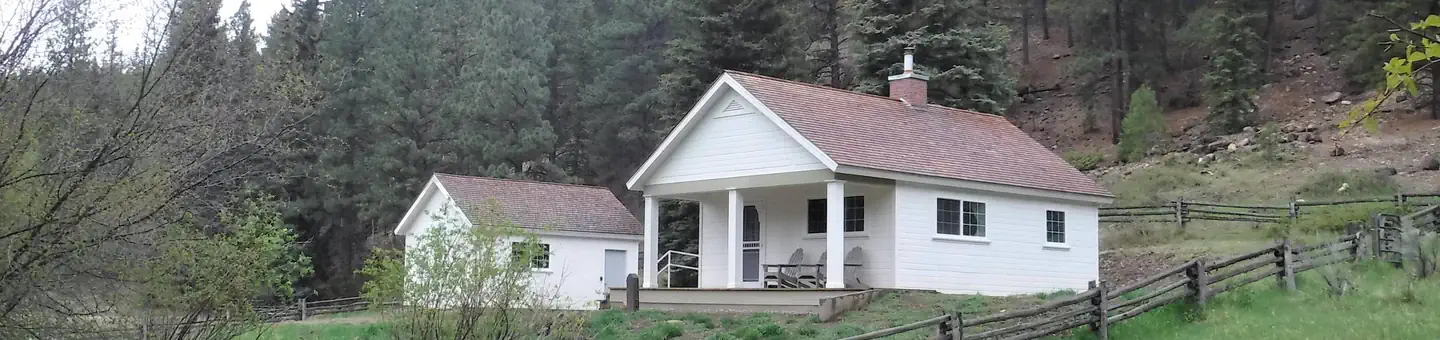
Cowpuncher Guard Station
~16 min drive
A worthwhile stop near Utah.
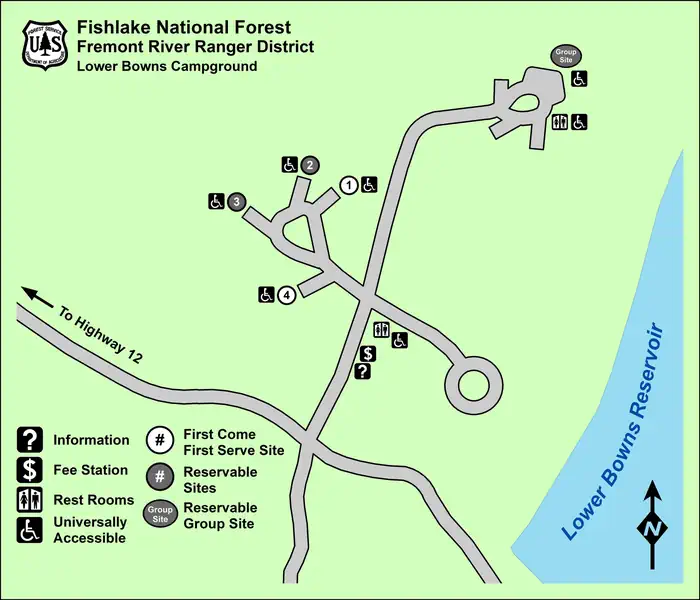
Lower Bowns
~22 min drive
A worthwhile stop near Utah.
Otter Creek, Tamarisk Point Rec Site
~50 min drive
A worthwhile stop near Utah.
North Campground
~1h 19m drive
A worthwhile stop near Utah.
Posey Lake Campground
~22 min drive
A worthwhile stop near Utah.
Otter Creek, South Point Recreation Site
~50 min drive
A worthwhile stop near Utah.
Escalante Ranger District
~26 min drive
A worthwhile stop near Utah.
Pine Lake Campground
~55 min drive
A worthwhile stop near Utah.
Otter Creek, Fishermans Beach Rec Site
~50 min drive
A worthwhile stop near Utah.
Fremont River Ranger District
~52 min drive
A worthwhile stop near Utah.
Mackinaw
~1h 4m drive
A worthwhile stop near Utah.
Koosharem Day Use site
~1h 13m drive
A worthwhile stop near Utah.