Tennessee · Fishing
Fishing in Gatlinburg, Tennessee
Gatlinburg sits at the edge of Great Smoky Mountains National Park, and the fishing here is almost entirely tied to that fact.
4 spotsUpdated dailyFree to access
View on mapFishing · 4 spots
Featured spots
All spots · 4 spots
No additional spots match this filter.
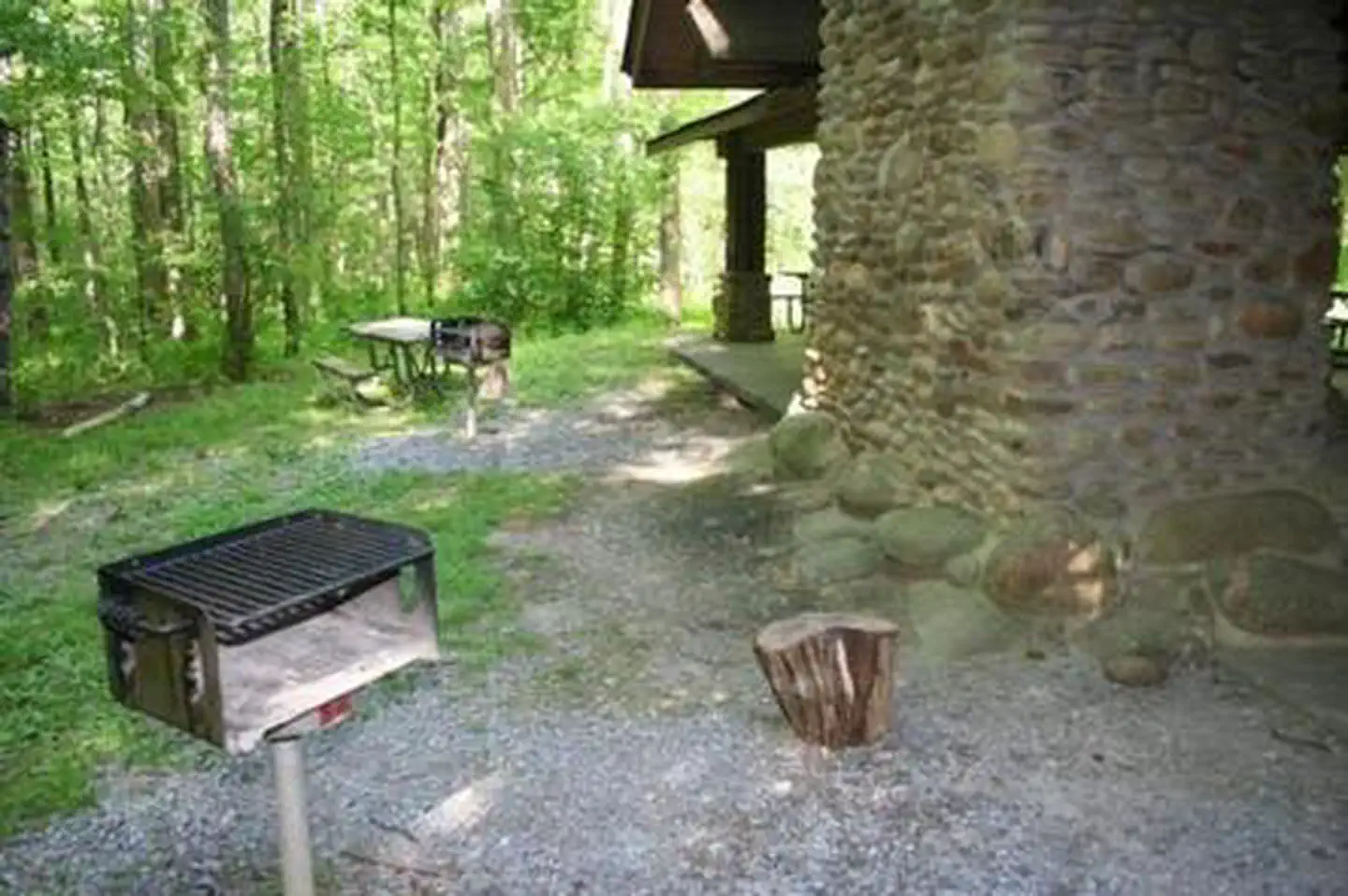
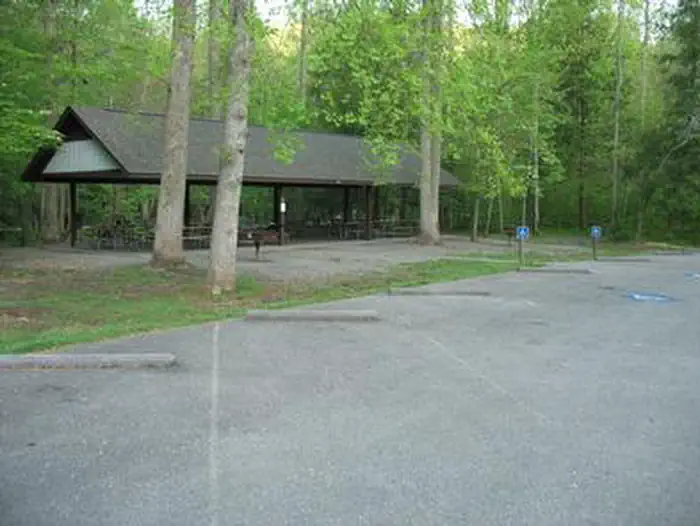
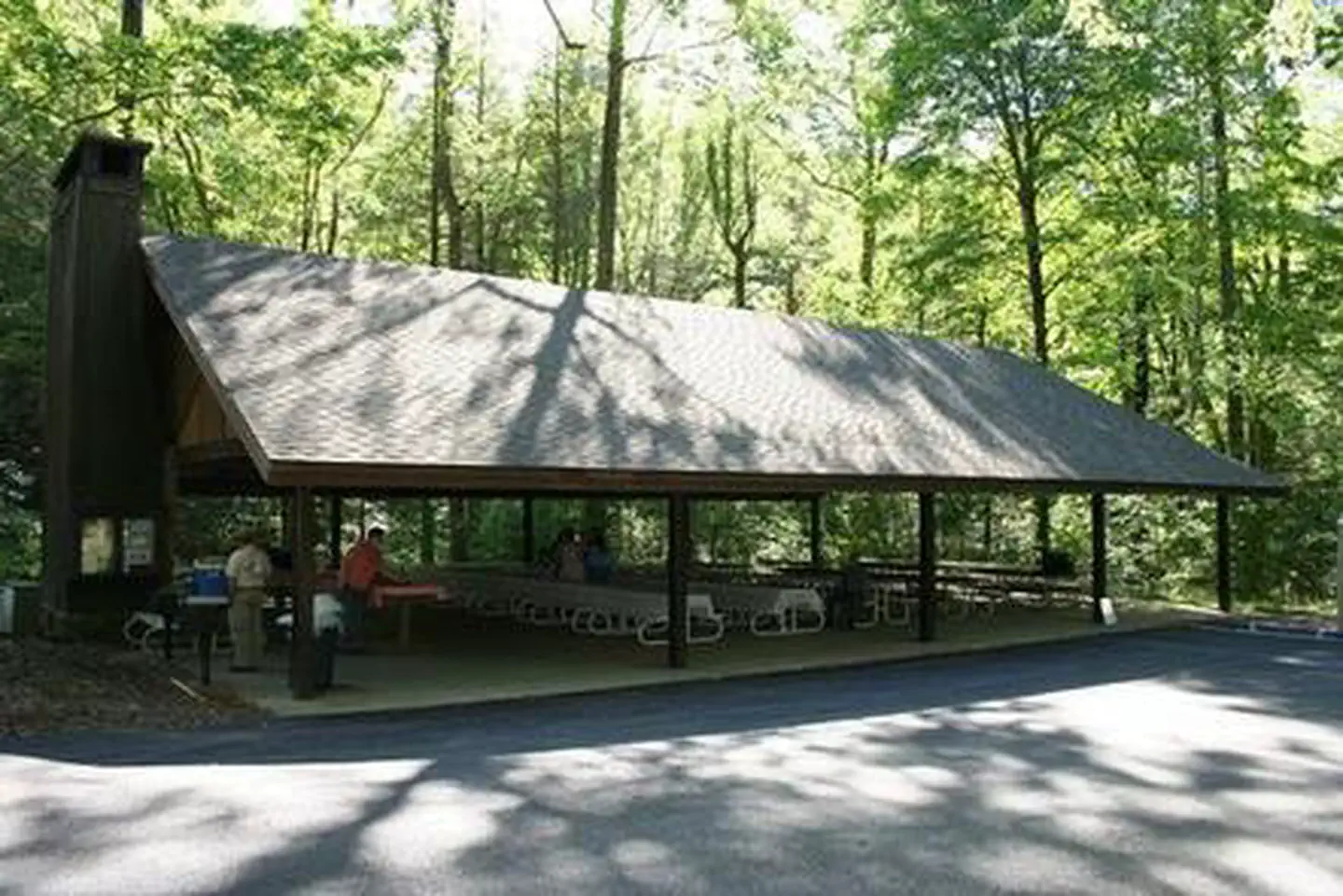
Gatlinburg sits at the edge of Great Smoky Mountains National Park, and the fishing here is almost entirely tied to that fact. The streams running through the park are cold, clear, and freestone — fed by mountain runoff rather than managed stocking programs — which means you're chasing wild fish in moving water, not casting into a put-and-take pond. The four access points listed on Roamze for Gatlinburg all sit along park waterways: Greenbrier Picnic Pavilion and Twin Creeks Picnic Pavilion on the eastern side of town, Metcalf Bottoms Picnic Pavilion further up Little River Road, and Elkmont Group Camp deeper into the Elkmont corridor. Each gives you walk-in access to river fishing without requiring a long trail approach. The fish are predominantly wild brook trout in the higher, narrower sections and rainbow trout lower down. These are not big rivers — you're reading pocket water, working around boulders, and making short accurate casts. A Tennessee fishing license is required, and Great Smoky Mountains National Park has its own additional regulations that apply on top of state rules. If you're driving up from Gatlinburg proper, all four spots are reachable within 30 to 45 minutes depending on traffic through the park entrance.
Frequently asked questions
Do I need a special permit to fish at Greenbrier, Elkmont, or the other park access points?
Yes. You need a valid Tennessee fishing license, and because these access points are inside Great Smoky Mountains National Park, you also need to follow the park's own fishing regulations. The park does not require a separate federal fishing permit, but its rules on legal tackle, catch limits, and closed waters are stricter than state rules in some cases. Check the current park regulations before you go — they are available on the National Park Service website and are updated periodically.
What species can I expect to catch at these spots?
The streams accessible from Metcalf Bottoms, Greenbrier, Twin Creeks, and Elkmont hold wild rainbow trout and, in the higher-gradient headwater sections, wild brook trout. These are not stocked fisheries. Fish tend to run small by lowland standards — a 10-inch rainbow is a solid catch in most of these streams — but they are wild and fight well in fast water.
What gear setup works best for river fishing at these access points?
A 7- to 8-foot ultralight spinning rod with 4-pound monofilament covers most situations. Small inline spinners, size 14-18 dry flies, and small nymphs all produce. If you fly fish, a 7.5-foot 3-weight or 4-weight rod is well-suited to the tight, brushy conditions you'll find along these streams. Wading shoes with felt or rubber soles help on the slick rocks, and polarized sunglasses make a real difference for spotting fish in clear water.
When is the best time of day to fish these streams?
Early morning, roughly from first light until 9 or 10 a.m., is consistently the most productive window, especially in summer when midday water temperatures rise. Late afternoon can also be good, particularly during insect hatches. Midday fishing in July and August is slower and harder on the fish, so if you're practicing catch-and-release, earlier is better for the fish's survival too.
Is this fishing suitable for beginners or kids?
Metcalf Bottoms and Greenbrier both have relatively easy bank access and calmer pools near the picnic areas, which makes them reasonable starting points for beginners and families with kids. Elkmont requires a bit more walking and the water there tends to be faster and more technical. Twin Creeks is closer to the Gatlinburg side and accessible, though the fishing pressure near town can be higher on weekends.
Keep exploring — more waters worth the drive
Twin Creeks Picnic Pavilion
~3 min drive
A worthwhile stop near Tennessee.
Cheoah Point Cabin 2
~40 min drive
A worthwhile stop near North Carolina.
Little River in Great Smoky Mountains
~16 min drive
Moderate
Laurel Lake
~26 min drive
A worthwhile stop near Tennessee.
Massey Branch Area
~50 min drive
A worthwhile stop near North Carolina.
Spence Cabin
~6 min drive
A worthwhile stop near Tennessee.
Cheoah Point Cabin 1
~40 min drive
A worthwhile stop near North Carolina.
Abrams Creek
~32 min drive
Moderate
Fontana Lake
~28 min drive
A worthwhile stop near North Carolina.
Indian Boundary Lake
~1h 6m drive
A worthwhile stop near Tennessee.
Elkmont Group Camp
~6 min drive
A worthwhile stop near Tennessee.
Nantahala River - Nantahala Outdoor Center
~45 min drive
Moderate