Tennessee · Fishing
Fishing in Townsend, Tennessee
Townsend sits at the quieter western entrance to Great Smoky Mountains National Park, and that geography puts anglers within a short drive of some genuinely productive mountain water.
6 spotsUpdated dailyFree to access
View on mapFishing · 6 spots
Featured spots
River fishing
Anthony Creek Horse Camp
Townsend, Tennessee

River fishing
Cades Cove Campground
Townsend, Tennessee
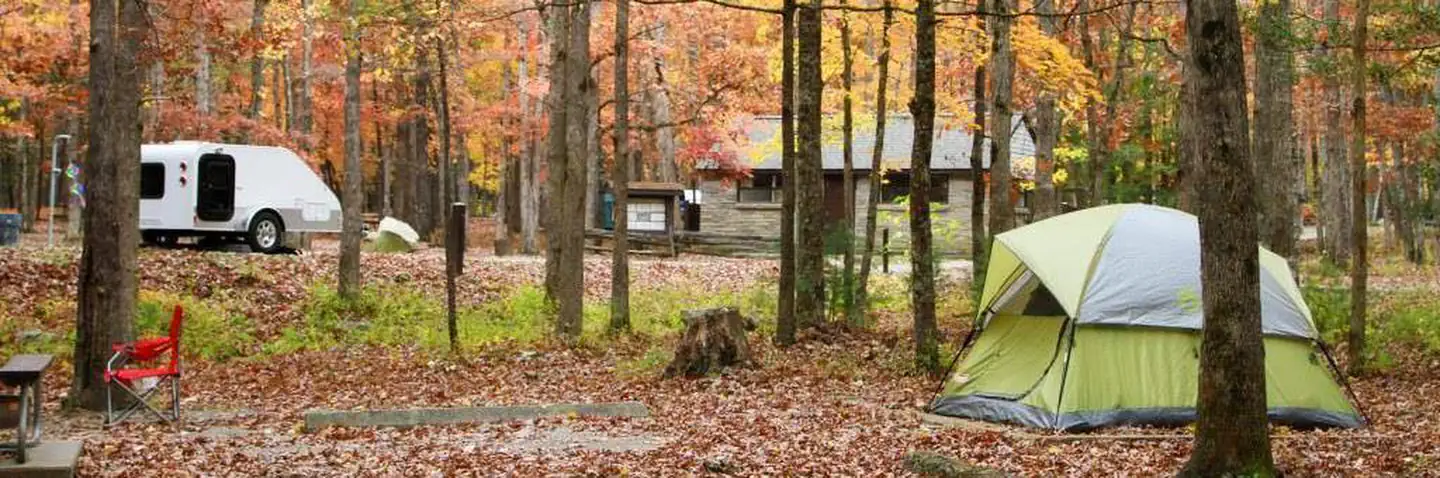
River fishing
Cades Cove Group
Townsend, Tennessee
 creekWild Trout
Fly fishing
Abrams Creek
Townsend, Tennessee
rainbow trout, brook trout
 riverWild Trout
Fly fishing
Little River in Great Smoky Mountains
Townsend, Tennessee
rainbow trout, brook trout
All spots · 6 spots

Townsend sits at the quieter western entrance to Great Smoky Mountains National Park, and that geography puts anglers within a short drive of some genuinely productive mountain water. The Little River runs right through the area at around 1,400 feet elevation, offering fly fishing for rainbow and brook trout in a river setting that sees far less pressure than spots closer to Gatlinburg. Abrams Creek, accessed near Cades Cove at 1,720 feet, is a smaller, tighter creek that rewards anglers willing to work for it — the brook trout there hold in shaded pools and undercut banks where a careful approach matters more than fancy gear. Cades Cove itself has multiple access points for river fishing, including the campground and the group camp near Anthony Creek, making it a reasonable base if you want to fish mornings and evenings around a longer stay. Laurel Lake rounds out the options for anyone who prefers still water or wants to bring kids who aren't ready for wading a moving current. The mix of water types here means you can match the outing to your skill level rather than just showing up and hoping for the best.
Frequently asked questions
Do I need a special license to fish in Great Smoky Mountains National Park near Townsend?
Yes. Fishing inside Great Smoky Mountains National Park requires a valid Tennessee or North Carolina fishing license — the park itself does not issue a separate permit, but you must have a current state license. Check the National Park Service website for current regulations on size limits and legal species before you go, as rules inside the park boundary differ from surrounding state waters.
What species can I expect to catch on the Little River and Abrams Creek?
Both waters hold rainbow trout and brook trout. Abrams Creek in particular is known for its native brook trout population, which tends to run smaller but is a meaningful catch in a wild mountain creek setting. The Little River offers more room to move and can produce larger rainbows, especially in deeper runs and pocket water.
What skill level do I need for fly fishing the Little River or Abrams Creek?
Both are listed as moderate difficulty. The Little River gives you more open casting lanes and is a reasonable choice if you're still building your skills. Abrams Creek is tighter, with more overhead cover and technical wading, so it suits anglers who are comfortable with roll casts and reading small-stream structure.
When is the best time of day to fish these waters?
Early morning and the last two hours before dark are consistently the most productive windows on mountain streams like the Little River and Abrams Creek. Midday in summer can push fish into deeper, shaded pools where they feed less actively. If you're fishing Laurel Lake, early morning is still your best bet for surface activity.
Is Cades Cove a good base for a fishing trip, and how do I access the water there?
Cades Cove Campground and the group camp near Anthony Creek both offer river fishing access, making them practical bases if you want to fish multiple mornings without driving in from town each time. Keep in mind that the Cades Cove Loop Road has scheduled vehicle-free days, so check the current schedule before planning a driving approach to different access points.
Keep exploring — more waters worth the drive
Cades Cove Group
~2 min drive
A worthwhile stop near Tennessee.
Cheoah Point Cabin 1
~48 min drive
A worthwhile stop near North Carolina.
Laurel Lake
~6 min drive
A worthwhile stop near Tennessee.
Abrams Creek
~7 min drive
Moderate
Massey Branch Area
~35 min drive
A worthwhile stop near North Carolina.
Cades Cove Campground
~2 min drive
A worthwhile stop near Tennessee.
Cheoah Point Cabin 2
~48 min drive
A worthwhile stop near North Carolina.
Fontana Lake
~30 min drive
A worthwhile stop near North Carolina.
Little River in Great Smoky Mountains
~9 min drive
Moderate
Indian Boundary Lake
~43 min drive
A worthwhile stop near Tennessee.
Anthony Creek Horse Camp
~3 min drive
A worthwhile stop near Tennessee.
Fort Loudoun Lake
~34 min drive
A worthwhile stop near Tennessee.