Montana · Fishing
Fishing in Polebridge, Montana
Polebridge sits at the northwest corner of Glacier National Park, and the fishing here reflects that remoteness — you're not pulling up to a stocked pond with a parking lot.
10 spotsUpdated dailyFree to access
View on mapFishing · 10 spots
Featured spots


All spots · 10 spots

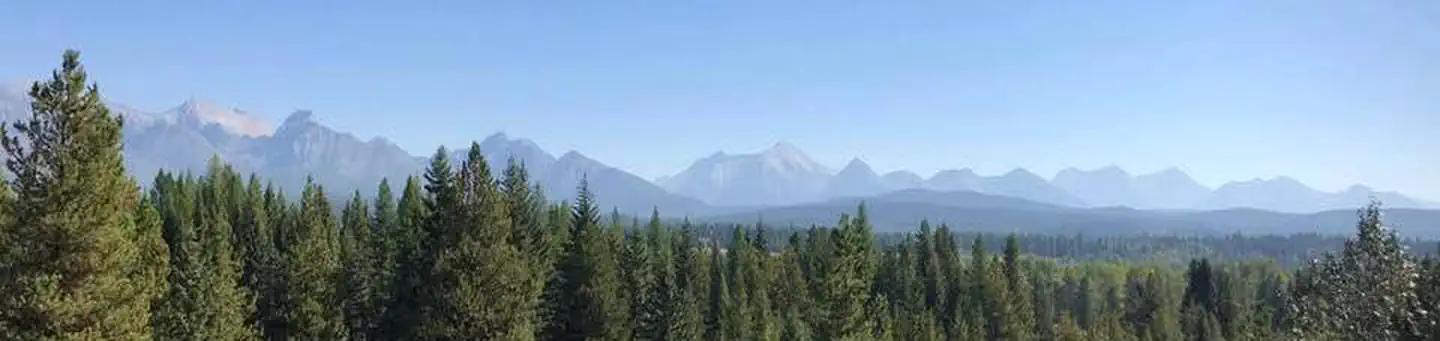
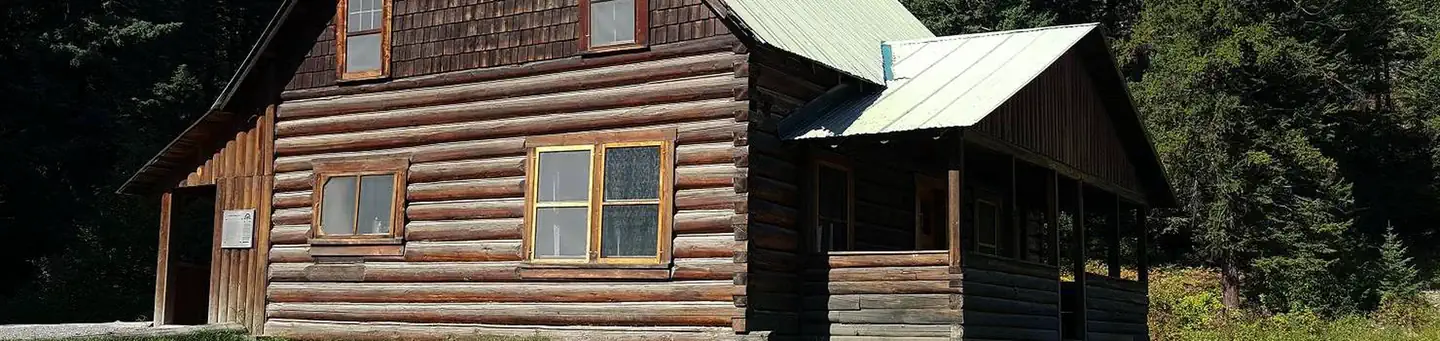
Polebridge sits at the northwest corner of Glacier National Park, and the fishing here reflects that remoteness — you're not pulling up to a stocked pond with a parking lot. The ten listings around Polebridge split cleanly between lake fishing and river fishing, and both require some legwork to reach. On the lake side, Numa Lake, Logging Lake, Tepee Lake, Winona Lake, Gyrfalcon Lake, and Chain Lakes all sit inside or near the park boundary, which means backcountry travel on foot is typically part of the deal. The river listings — Schnaus Cabin, Wurtz Cabin, and Ben Rover Cabin — suggest access tied to specific cabin locations along drainages in the North Fork corridor. This is cutthroat country, and the fish tend to be wild and relatively unpressured compared to more accessible parts of Montana. That also means smaller average size than tailwater fisheries, but the setting and the lack of crowds make up for it. If you're driving up the North Fork Road from Columbia Falls, plan for a slow, unpaved haul — the road conditions directly affect how far you can realistically push in a day.
Frequently asked questions
Do I need a Montana fishing license to fish around Polebridge?
Yes, a valid Montana fishing license is required for anyone 12 and older fishing waters in the state, including those adjacent to or within Glacier National Park. Fishing inside Glacier National Park also requires a separate park fishing permit — check current National Park Service requirements before your trip, as these are distinct from your state license.
What species can I realistically expect to catch at lakes like Numa, Logging, or Gyrfalcon?
Westslope cutthroat trout are the native species throughout this drainage and the most likely catch at the backcountry lakes listed here. Some lakes in the Glacier backcountry also hold bull trout, which are a federally threatened species — if you catch one, it must be released immediately. Check current park regulations for any lake-specific closures or restrictions before you go.
How hard is it to reach the lake fishing spots from Polebridge?
Most of the lakes on this list require a backcountry hike of several miles one way — Numa Lake and Logging Lake, for example, are full-day or overnight trips from their respective trailheads. Chain Lakes and Tepee Lake involve similar commitments. Budget your time accordingly and secure any required backcountry camping permits through the park if you plan to stay overnight.
When is the best time of year to fish around Polebridge?
The window is shorter than most of Montana. Snow can linger at higher elevations well into June, and many backcountry lakes don't become fishable until mid-July. Late July through early September is generally the most productive period, with morning hours typically better than midday. By mid-October, conditions deteriorate quickly and access roads can become impassable.
What gear setup makes sense for the river fishing cabins like Schnaus, Wurtz, and Ben Rover?
A 4- or 5-weight fly rod covers most situations on the smaller North Fork tributaries near these cabin locations. Dry flies and small nymphs are standard, and the fish here are not heavily pressured, so presentation matters more than pattern selection. Wading boots with felt or rubber soles work fine — just be aware that felt soles are prohibited in some Montana waters to prevent invasive species spread, so check current regulations before you pack.
Keep exploring — more waters worth the drive
Ben Rover Cabin
~5 min drive
A worthwhile stop near Montana.
Apgar Group Sites
~41 min drive
A worthwhile stop near Montana.
South Dickey Lake
~44 min drive
A worthwhile stop near Montana.
Emery Bay Campground
~1h 2m drive
A worthwhile stop near Montana.
Schnaus Cabin
~7 min drive
A worthwhile stop near Montana.
Tally Lake Campground
~53 min drive
A worthwhile stop near Montana.
North Dickey Lake
~45 min drive
A worthwhile stop near Montana.
Riverside Campground
~1h 13m drive
A worthwhile stop near Montana.
Wurtz Cabin
~12 min drive
A worthwhile stop near Montana.
Lost Johnny Point Campground
~1h 4m drive
A worthwhile stop near Montana.
Rexford Bench
~1h 10m drive
A worthwhile stop near Montana.
Murray Bay Campground
~1h 14m drive
A worthwhile stop near Montana.