Montana · Fishing
Fishing in Essex, Montana
Essex sits in a narrow stretch of the Flathead Valley where the Middle Fork of the Flathead River runs cold and fast along the southern edge of Glacier National Park, and the fishing options here reflect that geography.
10 spotsUpdated dailyFree to access
View on mapFishing · 10 spots
Featured spots



All spots · 10 spots


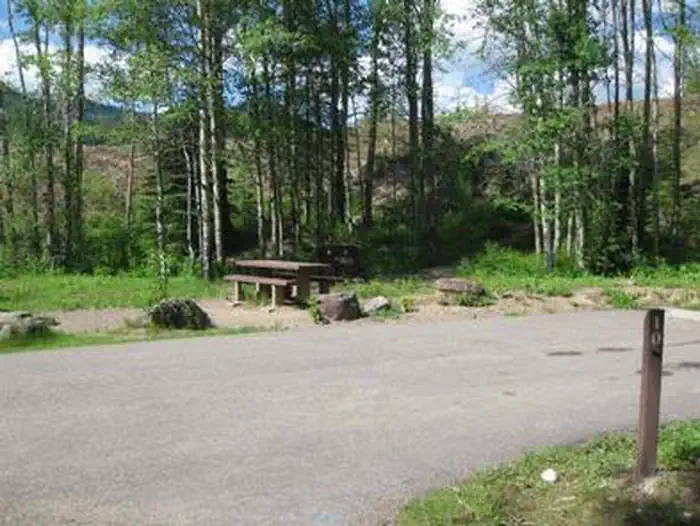
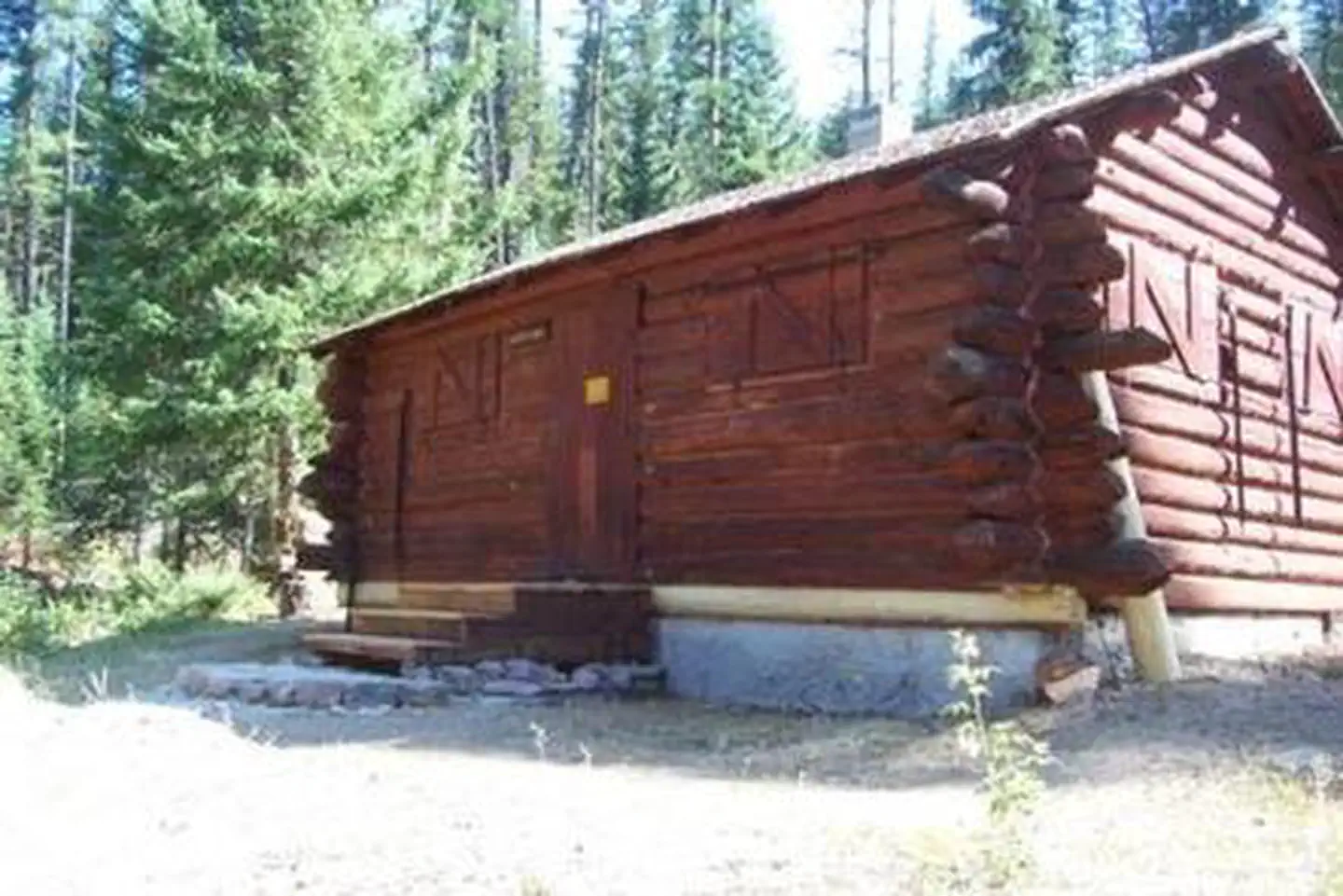
Essex sits in a narrow stretch of the Flathead Valley where the Middle Fork of the Flathead River runs cold and fast along the southern edge of Glacier National Park, and the fishing options here reflect that geography. The area's listings lean toward river fishing and lake fishing, with spots like Devil Creek Campground and Silvertip Cabin putting you right on moving water, while Birch Lake, Handkerchief Lake, Lake Seven Acres, and Three Eagles Lakes offer quieter stillwater options within reasonable reach. The Middle Fork holds cutthroat and bull trout, both of which come with specific handling and harvest rules tied to their protected status in this drainage, so reading the current Montana FWP regulations before you wet a line is not optional. Access to most of these spots runs off US Highway 2 or forest roads that can get soft in early spring and after heavy rain. Essex gets serious snowpack, which means runoff can blow out river visibility well into June some years. Late summer and early fall tend to offer the most stable conditions for both river clarity and lake access. This is not a destination for someone expecting stocked ponds and easy limits — it rewards anglers who are comfortable reading water and adjusting to what the river is actually doing on a given day.
Frequently asked questions
What species can I realistically target fishing around Essex?
The river listings like Devil Creek Campground and Silvertip Cabin put you in cutthroat and bull trout water on the Middle Fork drainage. The lake listings — Birch Lake, Handkerchief Lake, Lake Seven Acres, and Three Eagles Lakes — may hold different species mixes, but check current Montana FWP stocking and regulation data for each specific water body before you go, since rules and fish populations vary.
When is the best time of year to fish in Essex?
Late July through September is generally the most reliable window. Spring snowmelt can keep river flows high and visibility poor through June, and some forest roads to the lake access points stay muddy or gated into early summer. Fall brings lower, clearer water on the Middle Fork and tends to be when cutthroat fishing picks up before the season closes.
Are there special regulations I need to know about before fishing here?
Yes, and they matter. Bull trout in the Middle Fork drainage are catch-and-release only under Montana FWP rules, and there are specific restrictions on gear and bait in some of these waters. Pull the current FWP regulations for Flathead County and the specific water body you plan to fish — the rules are not uniform across all the listings here.
What skill level do these fishing spots require?
The river spots like Silvertip Cabin and Devil Creek Campground involve reading moving water and dealing with variable flows, which suits intermediate to experienced anglers more than beginners. The lake options at Birch Lake, Handkerchief Lake, and Three Eagles Lakes are more forgiving for newer anglers, though access trails can be uneven and some require a short hike.
What gear should I bring for fishing in Essex?
For river fishing, a 9-foot 5-weight fly rod covers most situations on the Middle Fork, and waders are worth bringing since bank access is limited in spots. For the lakes, light spinning gear works well. Pack layers regardless of season — weather in this corridor changes fast, and mornings near the river run cold even in August.
Keep exploring — more waters worth the drive
Devil Creek Campground
~22 min drive
A worthwhile stop near Montana.
Lost Johnny Point Campground
~26 min drive
A worthwhile stop near Montana.
Emery Bay Campground
~27 min drive
A worthwhile stop near Montana.
Swan Lake Campground
~30 min drive
A worthwhile stop near Montana.
Swan Lake - Swan Lake Campground Access
~28 min drive
Easy
Flathead Lake State Park - West Shore
~54 min drive
Moderate
Zips Place Cabin
~26 min drive
A worthwhile stop near Montana.
Doris Creek Campground
~27 min drive
A worthwhile stop near Montana.
Anna Creek Cabin
~7 min drive
A worthwhile stop near Montana.
Swan Guard Station
~33 min drive
A worthwhile stop near Montana.
Silvertip Cabin
~44 min drive
A worthwhile stop near Montana.
Mission Lookout
~35 min drive
A worthwhile stop near Montana.
Also worth it near here