Kansas · Fishing
Fishing in Fall River, Kansas
Fall River, Kansas sits at the edge of Fall River Lake, a Corps of Engineers reservoir in the Flint Hills that draws anglers from across the region for its mix of flatwater and tailwater fishing.
4 spotsUpdated dailyFree to access
View on mapFishing · 4 spots
Featured spots

All spots · 4 spots
No additional spots match this filter.
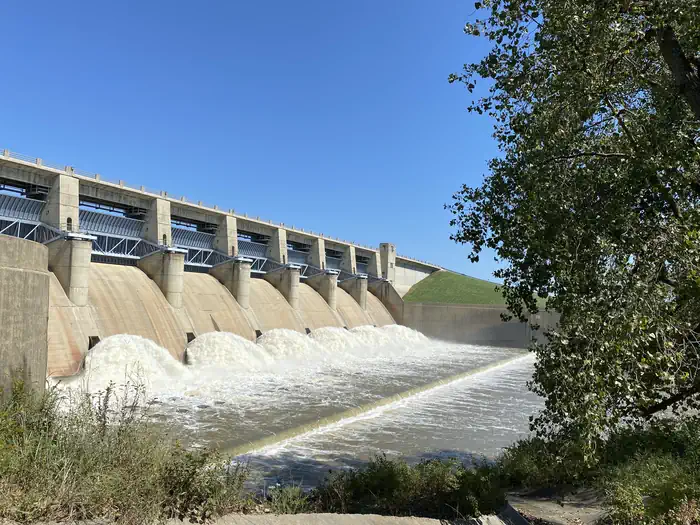
Fall River, Kansas sits at the edge of Fall River Lake, a Corps of Engineers reservoir in the Flint Hills that draws anglers from across the region for its mix of flatwater and tailwater fishing. The main lake offers standard reservoir species in a relatively uncrowded setting, while the Damsite on the downstream end of Fall River Lake gives you moving water and the kind of current-oriented fishing that flatwater anglers often overlook. Whitehall Bay and Fredonia Bay State Park round out the options with more sheltered coves that tend to hold fish differently than the open lake, particularly during warmer months when bass and crappie push into structure. This is not a destination built around trophy fishing programs or stocked trophy water — it is a working reservoir with honest, accessible fishing that rewards people who pay attention to seasonal patterns and water conditions. Whether you are wading the bank at the Damsite or launching a kayak into Fredonia Bay, the variety across these four spots means you can find fishable water in most wind and weather conditions, which matters a lot on an exposed Flint Hills reservoir.
Frequently asked questions
What fish species can I expect to catch at Fall River Lake and its surrounding areas?
Fall River Lake is a Corps reservoir typical of southeast Kansas, so you can reasonably expect largemouth bass, crappie, channel catfish, and white bass. The Damsite below the dam on the river section can hold different concentrations of fish, particularly catfish and white bass during seasonal runs, since moving water below a dam creates its own feeding zones.
What is the difference between fishing Whitehall Bay, Fredonia Bay State Park, and the main lake?
Whitehall Bay and Fredonia Bay are sheltered arms of Fall River Lake that tend to have more shoreline structure and calmer water than the open reservoir, making them better options on windy days and during spring spawning periods when fish move shallow. Fredonia Bay State Park also provides managed bank access, which is useful if you are fishing without a boat. The main lake body is more exposed but gives you more open water to work if you are targeting suspended fish or running a trolling pattern.
Is the Damsite at Fall River Lake worth fishing separately from the lake itself?
Yes, and it fishes differently enough that it is worth treating as its own trip. Below-dam tailwaters concentrate fish because of the current, oxygenation, and baitfish that get pulled through. Early morning and evening are typically the most productive windows, and during spring white bass runs the Damsite can be notably active. Check current Corps of Engineers access conditions before you go, as water releases affect both safety and fish behavior.
Do I need a Kansas fishing license, and are there any local regulations I should know about?
Yes, a valid Kansas fishing license is required for anyone 16 and older. Fall River Lake is managed by the Army Corps of Engineers in cooperation with Kansas Wildlife and Parks, so standard Kansas state regulations apply for size and bag limits. Check the current Kansas Wildlife and Parks regulations summary before your trip, as slot limits and specific rules can change season to season and are not something to guess at.
What is the best time of year to fish Fall River Lake?
Spring is the most consistent window, roughly March through May, when bass move shallow to spawn and crappie stack up near structure in the bays. Fall is a close second, particularly September and October, when cooling water pushes fish into more predictable feeding patterns before winter. Summer fishing is workable but you will do better early morning or after sunset when surface temperatures drop, especially in the shallower bay areas.
Keep exploring — more waters worth the drive
Whitehall Bay
~1 min drive
A worthwhile stop near Kansas.
Damsite - Fall River Lake
~1 min drive
A worthwhile stop near Kansas.
Overlook
~1h 14m drive
A worthwhile stop near Kansas.
Fredonia Bay State Park
~2 min drive
A worthwhile stop near Kansas.
Neosho State Fishing Lake
~37 min drive
Easy
Downstream Point
~1h 14m drive
A worthwhile stop near Kansas.
Shady Creek
~1h 9m drive
A worthwhile stop near Kansas.
Riverside East
~1h 15m drive
A worthwhile stop near Kansas.
Elk City Lake - Outlet Channel
~45 min drive
Easy
Cherryvale Park
~1h 14m drive
A worthwhile stop near Kansas.
Fall River Lake
~2 min drive
A worthwhile stop near Kansas.
Mound Valley
~1h 14m drive
A worthwhile stop near Kansas.
Also worth it near here