Wyoming · Fishing
Fishing in Yellowstone National Park, Wyoming
Fishing in Yellowstone National Park means lake fishing, almost exclusively. The park's backcountry and front-country lakes — Yellowstone Lake, Shoshone Lake, Heart Lake, Beula Lake, Grizzly Lake, and more than a dozen others — hold native cutthroat trout and, in some waters, lake trout.
24 spotsUpdated dailyFree to access
View on mapFishing · 24 spots
Featured spots
Lake fishing
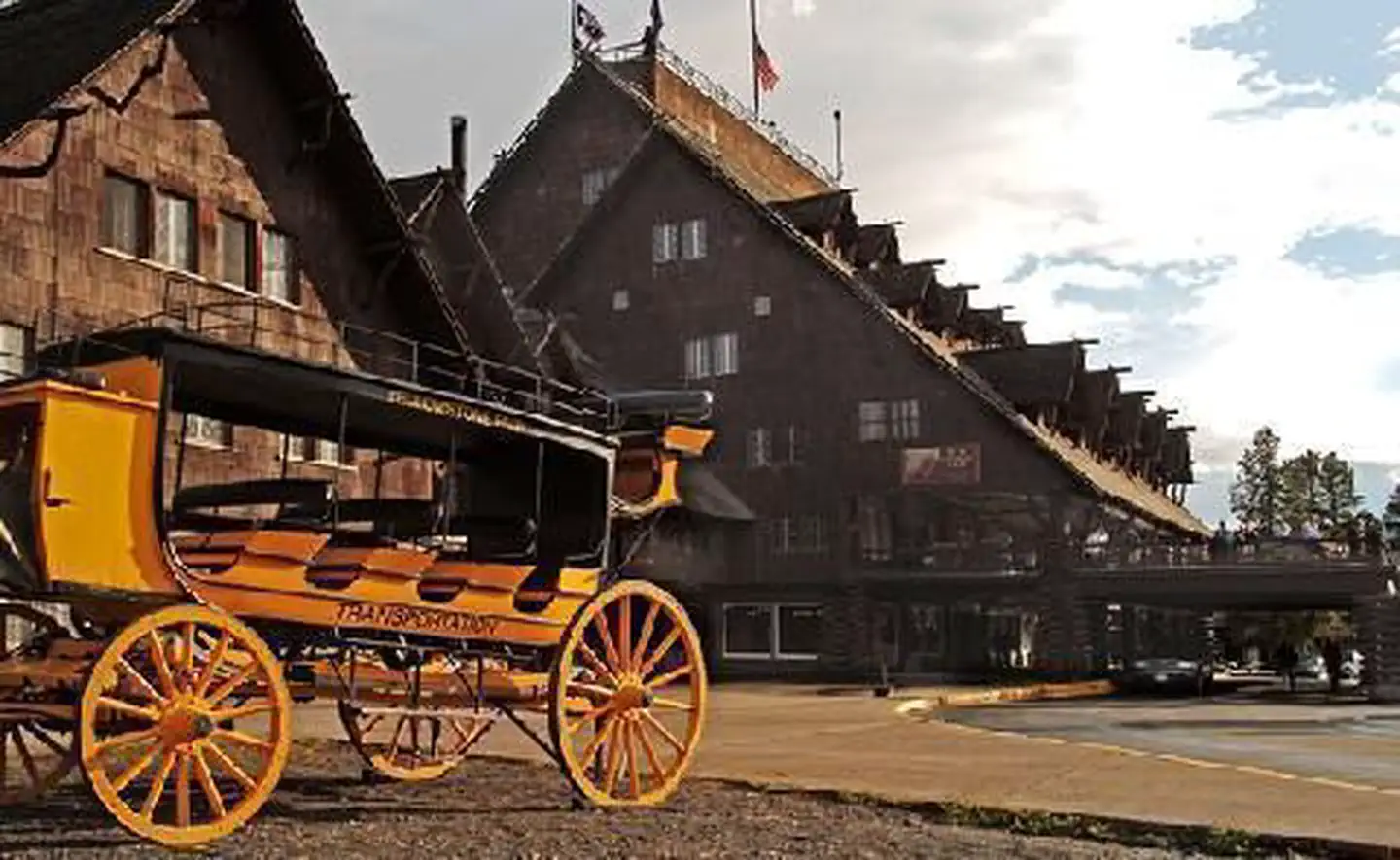
Lake Yellowstone Hotel and Cabins
Yellowstone National Park, Wyoming
Lake fishing
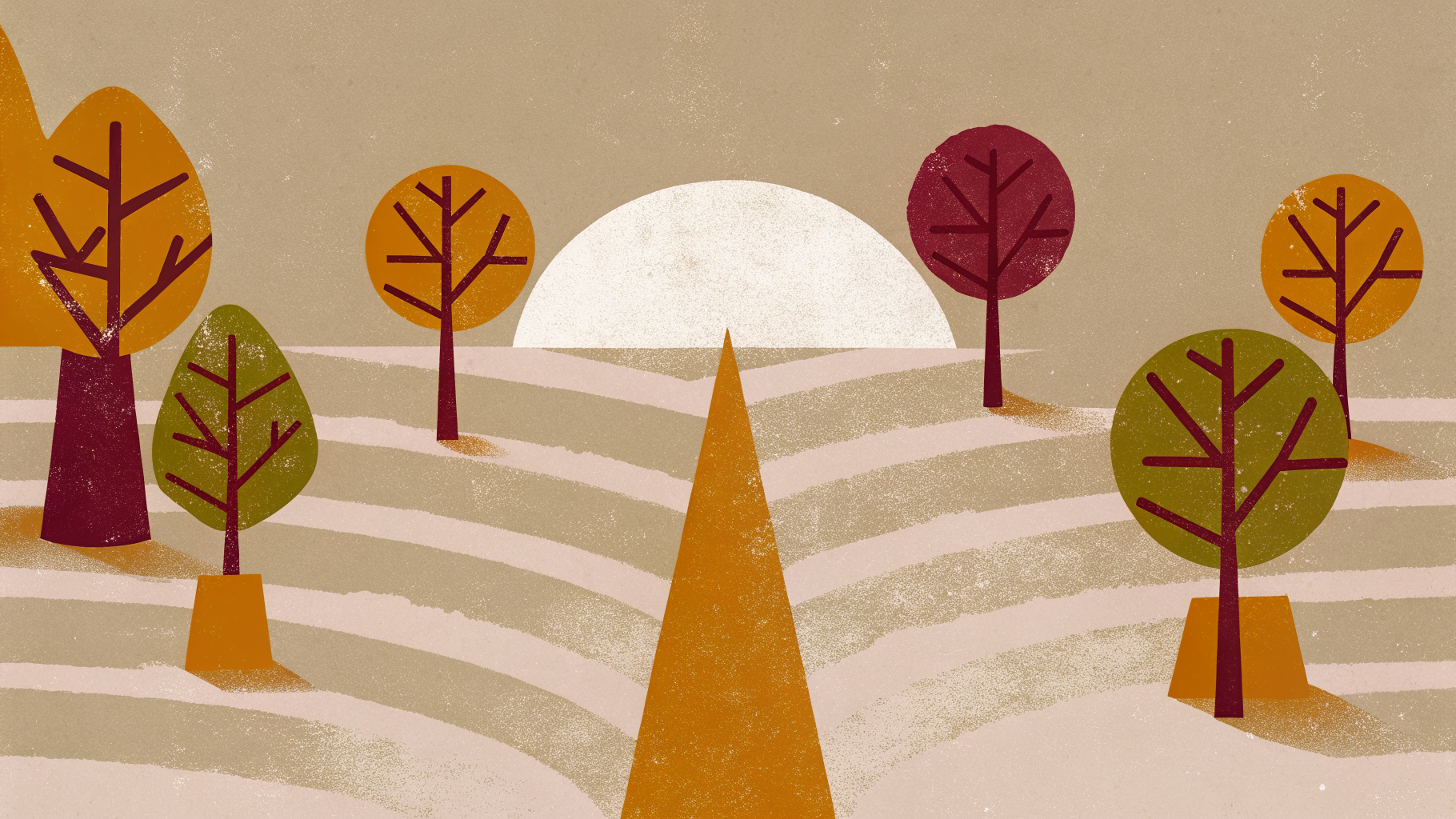
Old Faithful Inn
Yellowstone National Park, Wyoming
Lake fishing
Beula Lake
Yellowstone National Park, Wyoming
Lake fishing
Cache Lake
Yellowstone National Park, Wyoming
Lake fishing
Dewdrop Lake
Yellowstone National Park, Wyoming
All spots · 24 spots
Lake fishing
Grizzly Lake
Yellowstone National Park, Wyoming
Lake fishing
Harlequin Lake
Yellowstone National Park, Wyoming
Lake fishing
Heart Lake
Yellowstone National Park, Wyoming
Lake fishing
Hering Lake
Yellowstone National Park, Wyoming
Lake fishing
Lemonade Lake
Yellowstone National Park, Wyoming
Lake fishing
Lost Lake
Yellowstone National Park, Wyoming
Lake fishing
Lower Basin Lake
Yellowstone National Park, Wyoming
Lake fishing
Madison Lake
Yellowstone National Park, Wyoming
Lake fishing
Mallard Lake
Yellowstone National Park, Wyoming
Lake fishing
Ribbon Lake
Yellowstone National Park, Wyoming
Lake fishing
Shoshone Lake
Yellowstone National Park, Wyoming
Lake fishing
Swan Lake
Yellowstone National Park, Wyoming
Lake fishing
Tanager Lake
Yellowstone National Park, Wyoming
Lake fishing
Trail Lake
Yellowstone National Park, Wyoming
Lake fishing
White Lake
Yellowstone National Park, Wyoming
Lake fishing
Yellowstone Lake
Yellowstone National Park, Wyoming
Lake fishing
Yellowstone Lake
Yellowstone National Park, Wyoming
Lake fishing
Yellowstone Lake
Yellowstone National Park, Wyoming
Lake fishing
Yellowstone Lake
Yellowstone National Park, Wyoming
Fishing in Yellowstone National Park means lake fishing, almost exclusively. The park's backcountry and front-country lakes — Yellowstone Lake, Shoshone Lake, Heart Lake, Beula Lake, Grizzly Lake, and more than a dozen others — hold native cutthroat trout and, in some waters, lake trout. Yellowstone Lake is the centerpiece: it's the largest high-elevation lake in North America and has been the focus of an ongoing lake trout removal effort to protect the native Yellowstone cutthroat population. Shoshone Lake and Heart Lake require a hike to reach, which keeps pressure lower and rewards anglers willing to put in the miles. Closer to the road, lakes like Harlequin Lake, Lost Lake, and Swan Lake are accessible without a long approach. The season typically runs from late May through early November, though individual waters have their own opening dates set by the park. A Yellowstone-specific fishing permit is required for anyone 16 and older — Wyoming state licenses do not apply inside park boundaries. If you're planning a multi-day trip into the backcountry to fish Heart Lake or Shoshone Lake, you'll need a backcountry camping permit on top of the fishing permit.
Frequently asked questions
Do I need a Wyoming fishing license to fish in Yellowstone National Park?
No. Yellowstone operates under its own permit system, separate from Wyoming state licensing. Anglers 16 and older need a Yellowstone fishing permit, which you can purchase at visitor centers and many park entrance stations. Anglers 15 and under fish free but must be accompanied by a permitted adult.
Which lakes are easiest to access for day-trip fishing?
Yellowstone Lake is the most accessible, with pull-offs and access points near Lake Yellowstone Hotel and Cabins and other developed areas along its north and west shores. Swan Lake, Harlequin Lake, and Lost Lake are also reachable with short walks from trailheads. Grizzly Lake and Mallard Lake involve a few miles of hiking but don't require overnight permits.
What gear should I bring for lake fishing in Yellowstone?
A medium-action spinning or fly rod in the 5- to 7-weight range covers most situations. Cutthroat trout in Yellowstone's lakes respond well to dry flies, streamers, and small lures near the surface, especially in morning and evening. Check the current park regulations before you go — some waters are fly-fishing only or have restrictions on hook type and bait.
When is the best time of day to fish Yellowstone's lakes?
Early morning and the two hours before sunset are consistently the most productive windows, when cutthroat are actively feeding near the surface. Midday fishing can still work, particularly on overcast days or in deeper sections of Yellowstone Lake. Wind picks up on Yellowstone Lake most afternoons, which can make shore fishing harder and boat control more demanding.
Are backcountry lakes like Heart Lake and Shoshone Lake worth the extra effort?
For anglers who want less company and a genuine wilderness setting, yes. Both lakes require a hike of several miles and a backcountry camping permit if you're staying overnight. Shoshone Lake is the largest backcountry lake in the lower 48 with no road access, and Heart Lake sits below Mount Sheridan at 7,458 feet. Plan your permit well in advance, especially for summer weekends.
Keep exploring — more waters worth the drive
Lake Yellowstone Hotel and Cabins
~16 min drive
A worthwhile stop near Wyoming.
Basin Station Cabin
~60 min drive
A worthwhile stop near Montana.
Fisherman's Point
~1h 5m drive
A worthwhile stop near Montana.
Henry's Fork: Last Chance
~1h 8m drive
Expert
Old Faithful Inn
~22 min drive
A worthwhile stop near Wyoming.
Warm River Cabin
~1h 7m drive
A worthwhile stop near Idaho.
Big Springs Grp. Area - Island Park
~57 min drive
A worthwhile stop near Idaho.
Rex Hale
~1h 13m drive
A worthwhile stop near Wyoming.
Flat Rock
~1h 4m drive
A worthwhile stop near Idaho.
Warm River
~1h 17m drive
A worthwhile stop near Idaho.
Upper Coffee Pot
~1h 6m drive
A worthwhile stop near Idaho.
Clearwater Campground
~1h 18m drive
A worthwhile stop near Wyoming.