Wisconsin · Fishing
Fishing in Wisconsin
Wisconsin has more than 15,000 lakes and thousands of miles of rivers and streams, which means the harder problem is narrowing down where to go rather than finding water.
387 spots9 townsUpdated dailyFree to access
View on mapFishing · 200 spots
Featured spots
All spots · 200 of 387 spots

Lake fishing
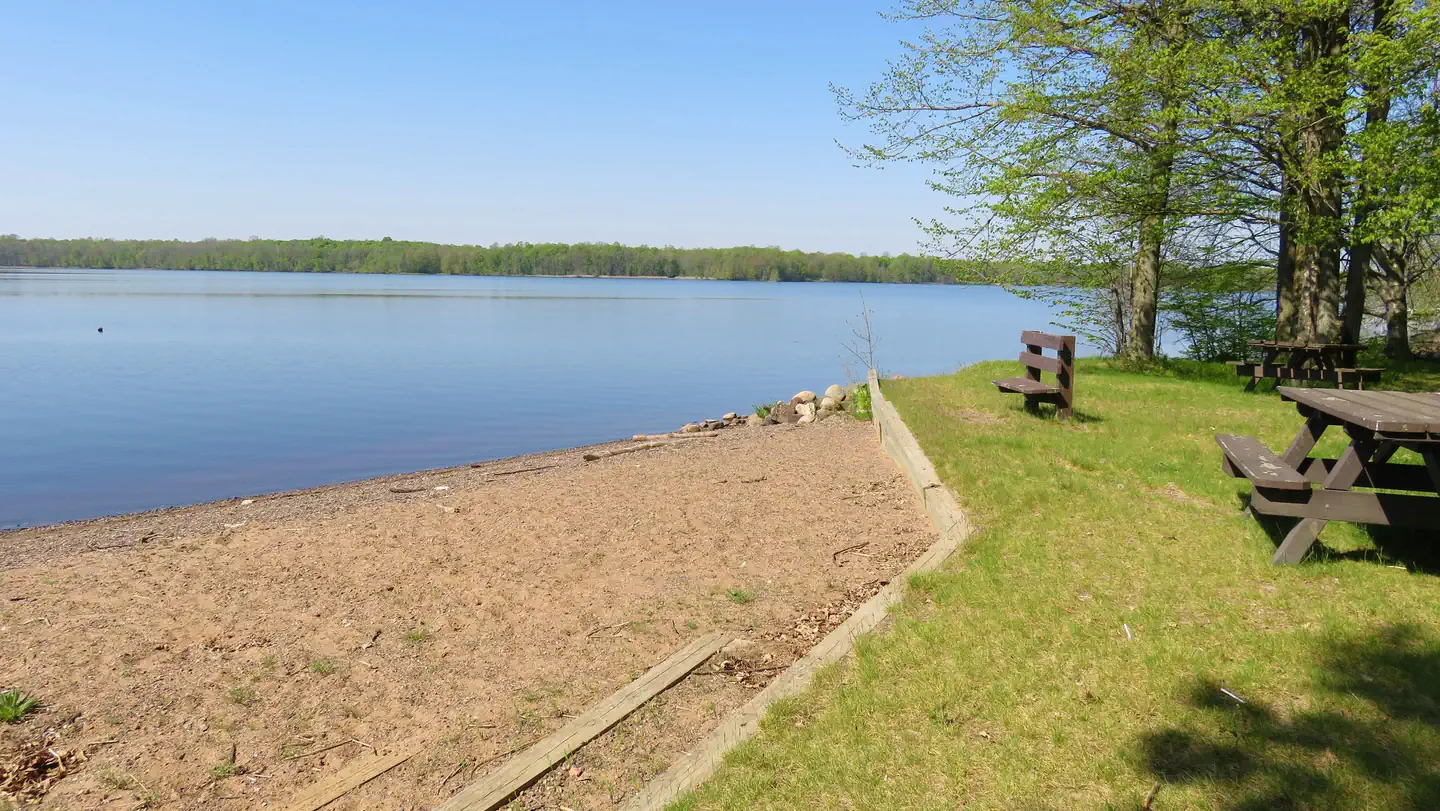
13 Reservoir
Cranmoor, Wisconsin
Lake fishing
Antler Lake
Luck, Wisconsin
Lake fishing
Arbutus Lake
Sugar Camp, Wisconsin
Lake fishing
Ashippun Lake
Oconomowoc, Wisconsin
Lake fishing
Bad River Slough
Sanborn, Wisconsin
Lake fishing
Bailey Lake
Chetek, Wisconsin
Lake fishing
Ballard Lake
Plum Lake, Wisconsin
Lake fishing
Barlow Lake
Niagara, Wisconsin
Lake fishing
Barron Flowage Number Three
Barron, Wisconsin
Lake fishing
Bass Lake
Rutland, Wisconsin
Lake fishing
Bass Lake
Birch Creek, Wisconsin
Lake fishing
Bass Lake
Beaver, Wisconsin
Lake fishing
Bass Lake
Webb Lake, Wisconsin
Lake fishing
Battle Point Flowage
Millston, Wisconsin
Lake fishing
Bear Lake
Birchwood, Wisconsin
Lake fishing
Bear Trap Lake
Lincoln, Wisconsin
Lake fishing
Beaver Dam Lake
Beaver Dam, Wisconsin
Lake fishing
Beaver Dam Lake 12
Cumberland, Wisconsin
Lake fishing
Beaver Lake
Enterprise, Wisconsin
Lake fishing
Beaverdam Lake 36
Marengo, Wisconsin
Lake fishing
Beechwood Lake
Beechwood, Wisconsin
Lake fishing
Big Arbor Vitae Lake
Arbor Vitae, Wisconsin
Lake fishing
Big Dardis Lake
Worcester, Wisconsin
Lake fishing
Big Hurst Lake
Presque Isle, Wisconsin
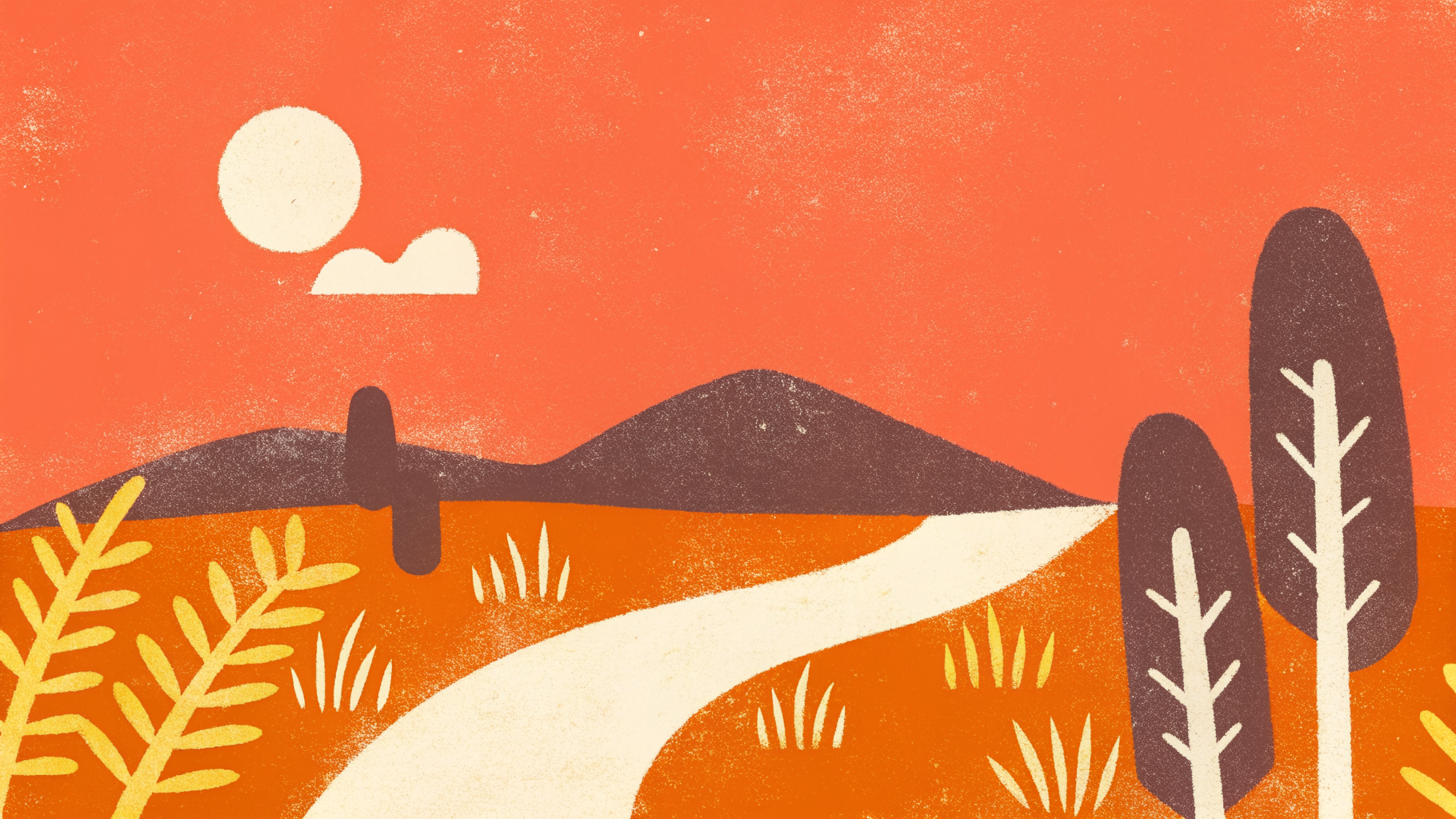
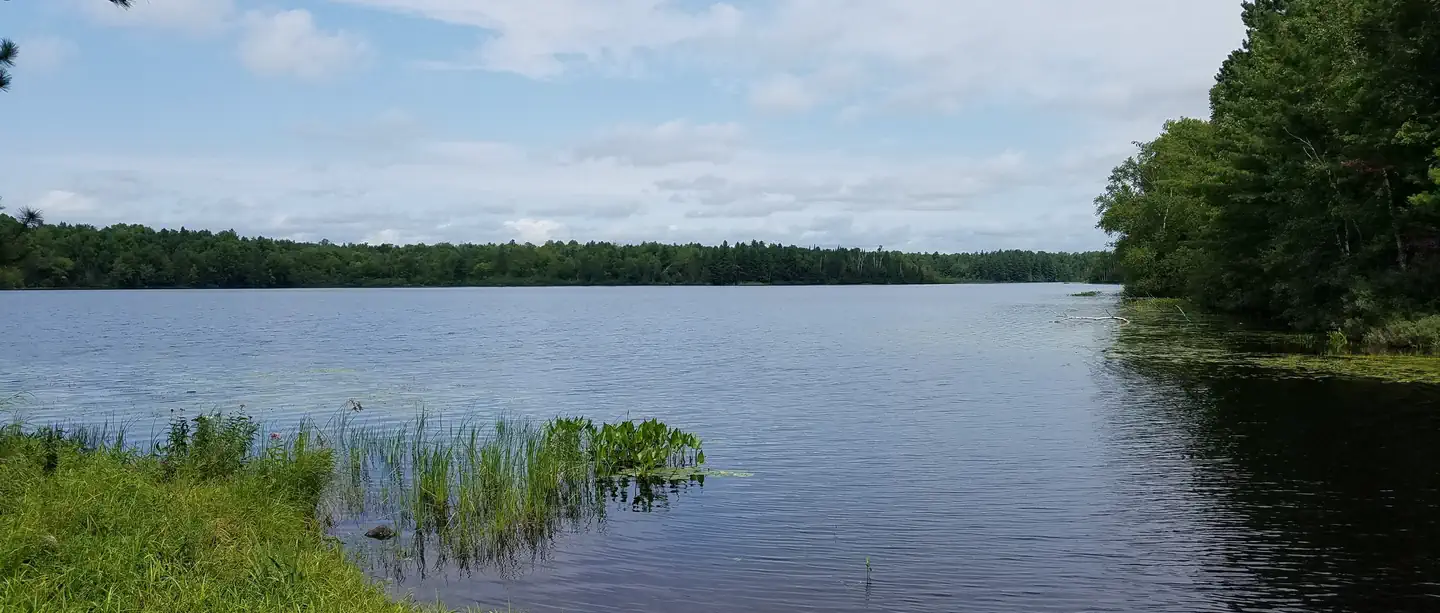
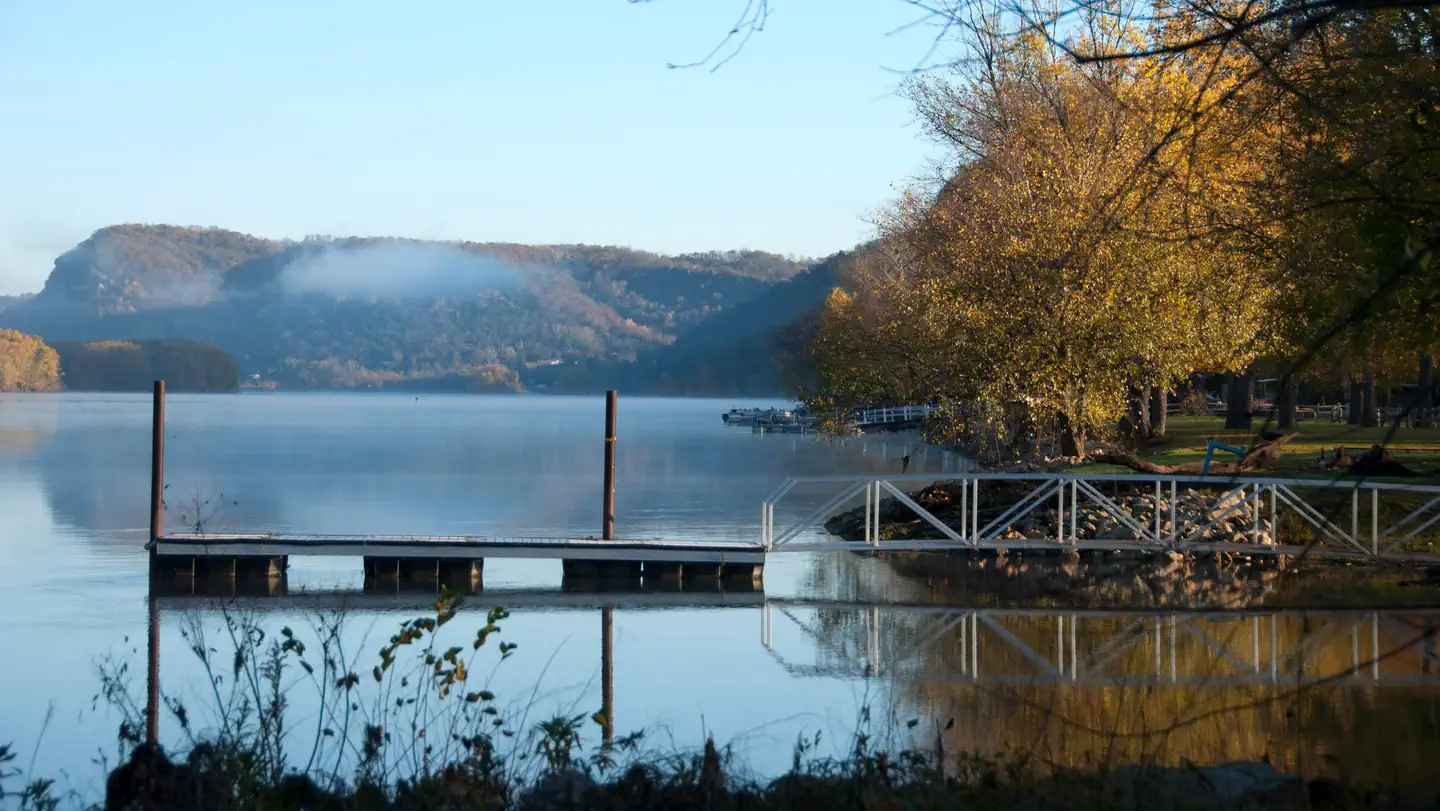
Wisconsin has more than 15,000 lakes and thousands of miles of rivers and streams, which means the harder problem is narrowing down where to go rather than finding water. The listings on this page cover that range honestly: quiet inland lakes like Shishebogama Lake near Minocqua, Blueberry Lake near Plum Lake, and Shadow Lake near Crescent where you're likely targeting walleye, bass, and panfish; river and flowage spots like Pool 8 at Wildcat Park near Fountain City on the Mississippi, where backwater sloughs hold crappie and catfish alongside the main channel; and north-woods lakes inside the Chequamegon-Nicolet National Forest, including Beaver Lake near Mellen, where access is managed and boat traffic stays low. The mix of lake fishing and river fishing across 387 listings reflects how genuinely varied Wisconsin angling is by region. The Northwoods lakes around Hazelhurst, Birchwood, and Presque Isle fish differently from the ag-country lakes near Bristol or Mackford, and timing matters as much as location. Ice-out in late April through May is consistently productive statewide for walleye and northern pike. Summer shifts the bite toward early mornings and evenings. Fall brings some of the best muskie fishing of the year on larger lakes.
Frequently asked questions
Do I need a Wisconsin fishing license, and are there separate stamps required?
Yes, any angler 16 or older needs a valid Wisconsin fishing license. If you plan to fish for trout or salmon in inland waters, you also need the inland trout stamp. A Great Lakes trout and salmon stamp is required for Lake Michigan and Lake Superior tributaries. Licenses are available through the Wisconsin DNR website or at most bait shops near the lakes listed here.
What species can I realistically expect to catch at the lakes and rivers listed here?
The inland lakes in this list, including Round Lake, Cranberry Lake, Pickerel Lake, and Shishebogama Lake, are typical Northwoods fisheries where walleye, largemouth and smallmouth bass, northern pike, muskie, and panfish like bluegill and crappie are the primary targets. Pool 8 at Wildcat Park near Fountain City on the Mississippi River adds catfish, sauger, and freshwater drum to that mix. None of the listings in this dataset are flagged as gold medal or wild trout waters, so dedicated trout anglers should cross-reference with DNR trout stream maps for designated streams.
When is the best time of year to fish Wisconsin lakes?
The walleye and northern pike opener in early May is one of the most productive windows statewide, coinciding with post-spawn feeding on lakes like Twin Lakes near Hazelhurst and Lower Aimer Lake near Presque Isle. Bass fishing picks up through June and stays strong into September. Muskie season runs through fall, and serious muskie anglers target the larger Northwoods lakes in October when water temperatures drop into the low 50s. Ice fishing from January through mid-February is also popular on most of these lakes.
What gear setup makes sense for most of these lakes?
A medium-action spinning rod in the 6- to 7-foot range handles most situations on these inland lakes, covering walleye jigging, bass fishing, and panfish without needing to switch rigs constantly. If you're targeting northern pike or muskie on lakes like Windigo Lake or Shishebogama Lake, step up to a medium-heavy casting rod with 50-pound braid and a steel or fluorocarbon leader. For river fishing at Pool 8 near Fountain City, heavier weights and bottom rigs are useful for holding in current.
Are these fishing spots accessible without a boat?
Access varies by location. Laurel Lake Campground near Three Lakes is listed as a surf fishing spot, which typically means shore access is the primary option there. Many of the smaller lakes in the Chequamegon-Nicolet National Forest, including Beaver Lake near Mellen, have DNR or Forest Service boat landings that accommodate car-top boats and canoes. For the larger lakes like Shishebogama or Twin Lakes, a motorized boat opens up significantly more water, but shore fishing near public landings and campgrounds is workable for panfish and bass.
Keep exploring — more waters worth the drive
Eastwood
~18 min drive
A worthwhile stop near Wisconsin.
Smith Rapids
~1h 4m drive
A worthwhile stop near Wisconsin.
Chippewa
~43 min drive
A worthwhile stop near Wisconsin.
Prairie River - Merrill Trout Section
~52 min drive
Moderate
Lac du Flambeau - Flambeau Lake Chain
~1h 16m drive
Easy
Spearhead Point
~18 min drive
A worthwhile stop near Wisconsin.
Twin Lakes
~1h 10m drive
A worthwhile stop near Wisconsin.
Spearhead Point Shelter
~18 min drive
A worthwhile stop near Wisconsin.
Smith Rapids Pavilion
~1h 4m drive
A worthwhile stop near Wisconsin.
Picnic Point
~18 min drive
A worthwhile stop near Wisconsin.
Medford - Park Falls District
~1h 7m drive
A worthwhile stop near Wisconsin.
Sailor Lake Pavilion
~56 min drive
A worthwhile stop near Wisconsin.