West Virginia · Fishing
Fishing in Summersville, West Virginia
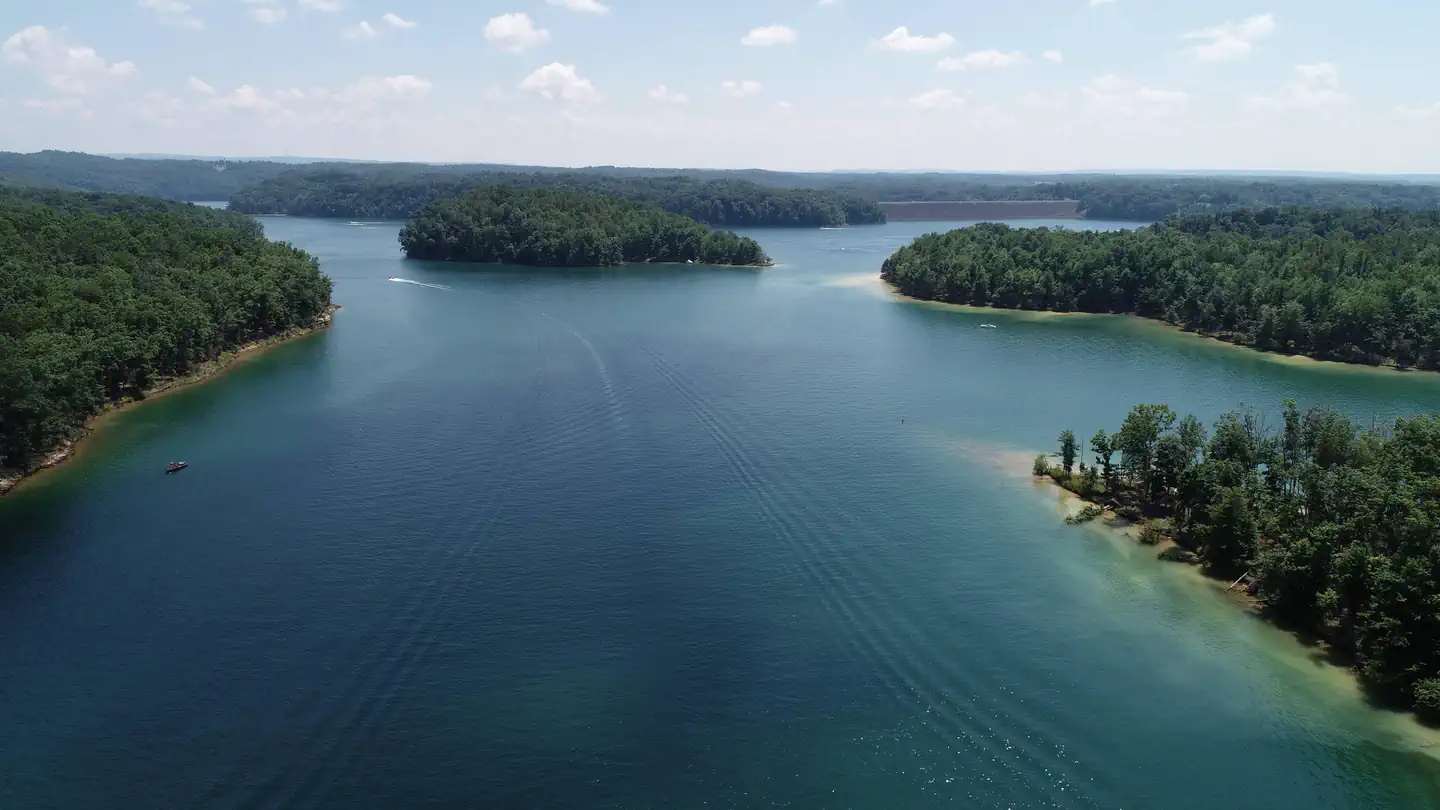
Summersville sits at the center of some of the most varied freshwater fishing in West Virginia, anchored by two very different types of water.
5 spotsUpdated dailyFree to access
View on mapFishing · 5 spots
Featured spots
River fishing
Battle Run
Summersville, West Virginia
 river
riverFly fishing
Gauley River (Below Summersville Dam)
Summersville, West Virginia
rainbow trout, brown trout

Lake fishing
Summersville Lake
Summersville, West Virginia

River fishing
Summersville Lake Shelters
Summersville, West Virginia
Lake fishing
Water Supply Reservoir
Summersville, West Virginia
All spots · 5 spots
No additional spots match this filter.
Summersville sits at the center of some of the most varied freshwater fishing in West Virginia, anchored by two very different types of water. Summersville Lake is the main draw for most visiting anglers — a large, clear reservoir that holds bass, walleye, and other warm-water species, with enough shoreline and cove structure to keep you busy across multiple trips. For fly fishers, the real prize is the Gauley River below Summersville Dam, a tailwater fishery at 1,680 feet elevation where cold, regulated releases out of the dam support a self-sustaining population of rainbow and brown trout. That stretch is rated moderate in terms of access and wading difficulty, meaning it rewards anglers willing to read the water carefully without requiring expert-level technical skill. Battle Run and the Water Supply Reservoir round out the local options for those who want a quieter, less-pressured outing closer to town. Between the lake, the tailwater, and the smaller waters nearby, Summersville gives you a realistic shot at a productive day whether you're throwing streamers for trout or working a jig along a submerged ledge for bass.
Frequently asked questions
What fish species can I target around Summersville?
The Gauley River below Summersville Dam holds rainbow trout and brown trout, making it the area's primary cold-water fishery. Summersville Lake and the Water Supply Reservoir offer warm-water species typical of West Virginia impoundments, including bass and walleye. Battle Run is a smaller stream option if you want moving water without the tailwater crowds.
Is the Gauley River tailwater suitable for beginner fly fishers?
It's listed as moderate difficulty, so complete beginners will face a learning curve, particularly when reading current seams and managing a drift in moving water. Someone who has fly fished a few times and is comfortable wading a river with some current should handle it fine. Hiring a local guide for your first trip is a practical way to shorten that curve significantly.
When is the best time of year to fish Summersville Lake?
Spring and early fall tend to be the most productive seasons on the lake, when bass and walleye move shallower and are more actively feeding. Summer fishing on Summersville Lake can still be good early in the morning or in the last hour of daylight, but midday heat pushes fish deeper. The lake's clarity means light conditions matter more here than on murkier impoundments.
Do dam releases on the Gauley affect fishing conditions?
Yes, and this is the most important logistical factor for fishing the Gauley below Summersville Dam. Release schedules change the water level and current speed significantly, which affects both wading safety and where fish hold. Check the Army Corps of Engineers release schedule before you go, and plan your wading around low or stable flows rather than showing up and hoping for the best.
Do I need a West Virginia fishing license, and are there special regulations on the Gauley tailwater?
Yes, a valid West Virginia fishing license is required for all waters in the area. The Gauley River below Summersville Dam may have specific slot or catch-and-release regulations for trout given its tailwater designation, so check the current West Virginia DNR regulation summary for that specific section before your trip rather than assuming standard statewide rules apply.
Keep exploring — more waters worth the drive
Battle Run
~3 min drive
A worthwhile stop near West Virginia.
Burnsville Lake Shelters
~1h 11m drive
A worthwhile stop near West Virginia.
Gauley River (Below Summersville Dam)
~2 min drive
Moderate
Sutton Lake Picnic Shelters
~52 min drive
A worthwhile stop near West Virginia.
Burnsville Lake
~1h 13m drive
Easy
Gerald Freeman Campground
~1h drive
A worthwhile stop near West Virginia.
Summersville Lake
~2 min drive
A worthwhile stop near West Virginia.
New River (Grandview Section)
~49 min drive
Moderate
Bluestone Lake Picnic Shelter
~1h 12m drive
A worthwhile stop near West Virginia.
Greenbrier River (Marlinton Section)
~1h 14m drive
Easy
Blue Bend Rec Area
~1h 9m drive
A worthwhile stop near West Virginia.
Water Supply Reservoir
~4 min drive
A worthwhile stop near West Virginia.