Virginia · Fishing
Fishing in Virginia
Virginia packs a surprising range of fishing into one state. In the southwest, tailwaters below Claytor Lake Dam on the New River and the Clinch River near Cleveland both hold rainbow trout, brown trout, and smallmouth bass at elevations
324 spots9 townsUpdated dailyFree to access
View on mapFishing · 200 spots
Featured spots
 riverWild Trout
Fly fishing
Clinch River - Cleveland Access
Cleveland, Virginia
brown trout, rainbow trout
River fishing
Blue Springs Gap Cabin
Elk Creek, Virginia
Surf fishing
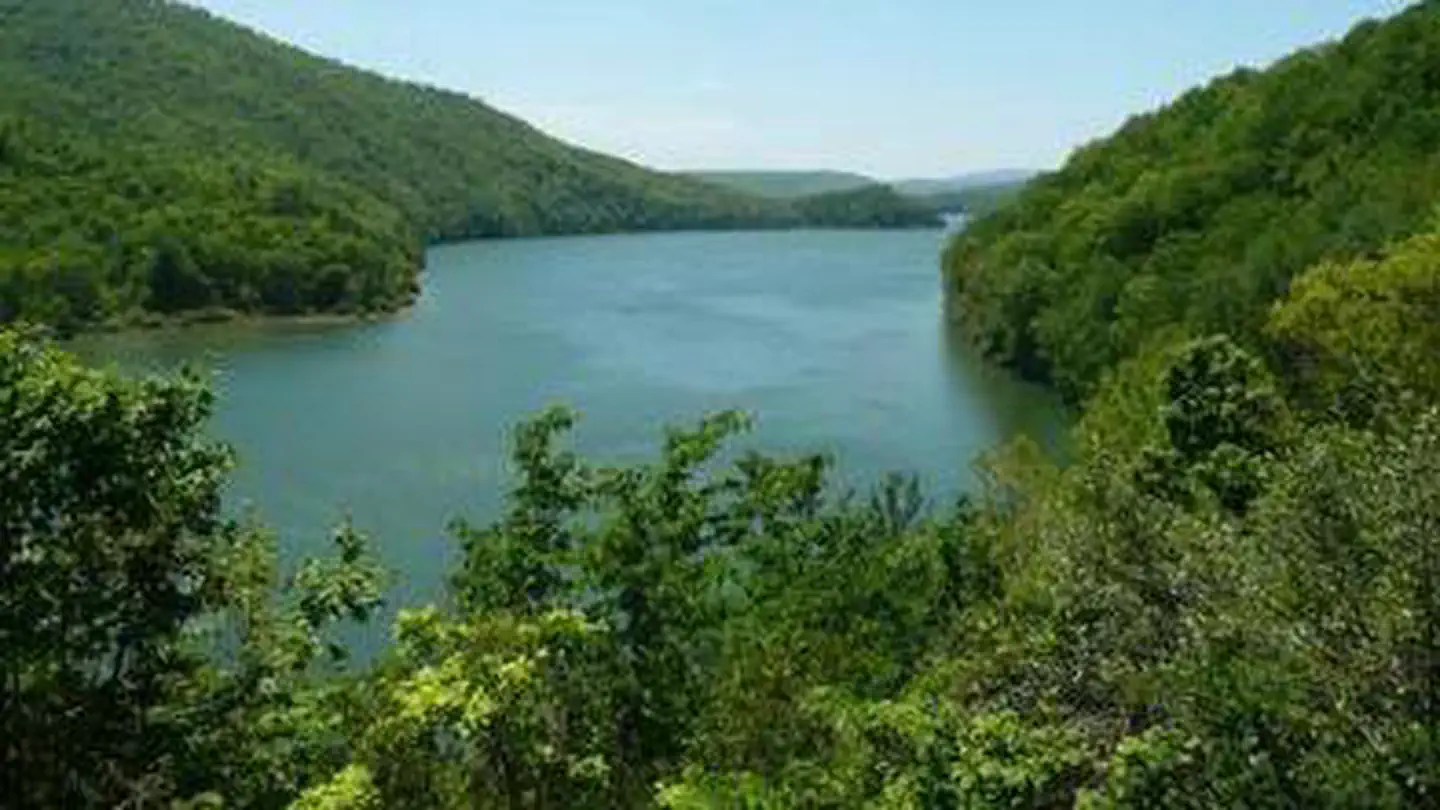
Bolar Mountain Recreation Area
Virginia
Surf fishing
Buffalo Park
Carters Point, Virginia
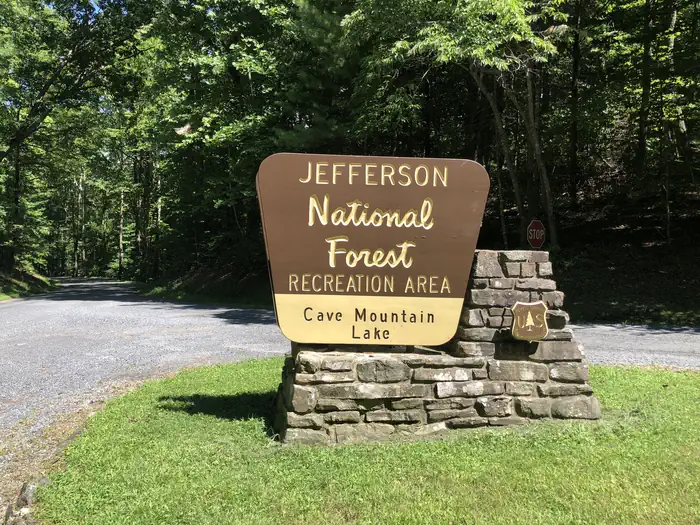
Surf fishing
Cave Mountain Lake Family Camp
Virginia
All spots · 200 of 324 spots

Lake fishing
Ashburn Lake
Ashburn, Virginia

Lake fishing
Ashcake Pond
Fort A.P. Hill, Virginia
Lake fishing
Ashville Park Lake 7
Virginia Beach, Virginia
Lake fishing
Assateague Channel
Chincoteague, Virginia
Lake fishing
Atkins Pond
Virginia
Lake fishing
Avery Millpond
Spring Grove, Virginia
Lake fishing
Aylett Pond
Rosespout, Virginia
 lake
lakeLake fishing
Back Bay National Wildlife Refuge - Fishing Access
Virginia Beach, Virginia
largemouth bass, striped bass

Lake fishing
Balls Millpond
Lancaster, Virginia
Lake fishing
Bealers Pond
Virginia
Lake fishing
Bear Creek Lake
Virginia
Lake fishing
Beattie's Mill Pond
Sinclair Manor, Virginia
Lake fishing
Beaverdam Reservoir
Virginia
Lake fishing
Belmont Bay
Mason Neck, Virginia
Lake fishing
Benzinger Pond
Virginia
Lake fishing
Benzinger Pond
Virginia
Lake fishing
Bettys Pond
Montross, Virginia
Lake fishing
Big Lake
South Boston, Virginia
Lake fishing
Birdwood Lake
Virginia
Lake fishing
Blandemar Farm Pond
Virginia
Lake fishing
Bolling Hall Lake
Goochland, Virginia
Lake fishing
Bowies Pond
Fort A.P. Hill, Virginia
Lake fishing
Briery Branch Reservoir
Virginia
Lake fishing
Brisentine Pond
Virginia
Virginia packs a surprising range of fishing into one state. In the southwest, tailwaters below Claytor Lake Dam on the New River and the Clinch River near Cleveland both hold rainbow trout, brown trout, and smallmouth bass at elevations around 1,580 to 1,880 feet, where cooler water temperatures hold through summer longer than most lowland streams. The Shenandoah Valley offers a different pace: Passage Creek in the Elizabeth Furnace area runs easy enough for beginners and carries all three native trout species — rainbow, brown, and brook — in a shaded creek setting at 900 feet. East of the Blue Ridge, the fishing shifts to warmwater. Ponds like Byers Millpond near Powhatan, Drumwright Pond near Wakefield, and Philpott Park near Bassett are typical of the Piedmont and coastal plain, where largemouth bass and panfish dominate. Down on the coast and tidal rivers, spots like Scopus Marsh near Virginia Beach and Rudds Creek Recreation Area near Boydton open up options for brackish and reservoir fishing. With 206 active listings across the state, Virginia rewards anglers who match the water type to the season rather than chasing a single destination.
Frequently asked questions
What species can I realistically target in Virginia's mountain tailwaters?
The New River below Claytor Lake Dam near Dublin and the Clinch River near Cleveland both hold rainbow trout, brown trout, and smallmouth bass. Both are rated moderate difficulty, so you'll want some experience reading moving water and mending a fly line, but neither requires expert-level skills to fish productively.
Do I need a Virginia fishing license, and are there special regulations for the trout streams listed here?
Yes, a Virginia freshwater fishing license is required for residents and non-residents alike. Trout streams and designated stocked waters often carry additional requirements, including a Virginia Freshwater Fishing License with a Trout License. Check the Virginia Department of Wildlife Resources regulations for the specific water body before you go, since rules on bait, catch limits, and catch-and-release sections vary by location.
When is the best time of year to fish Passage Creek in the Elizabeth Furnace area?
Spring and fall are the most productive windows for the rainbow, brown, and brook trout at Passage Creek. Water levels are typically higher and temperatures more favorable for trout activity in April and May, and again from late September through November. Midsummer can push water temperatures up in shallow creek sections, so early morning fishing is worth the effort if you visit in July or August.
Are there fishing options suitable for beginners or families with kids?
Passage Creek near Fort Valley is listed as easy difficulty and is a reasonable starting point for newer fly fishers. The many pond and lake listings across the state, including spots like Johnsons Pond near Disputanta, Mayes Pond near Jarratt, and Lake Kingman near Portsmouth, are generally more forgiving for beginners using spinning gear and live or artificial bait.
What gear setup makes sense for the tailwater fly fishing spots?
A 9-foot, 5-weight fly rod covers most situations on the New River tailwater near Dublin and the Clinch River near Cleveland. Both waters hold smallmouth bass in addition to trout, so having a selection of streamers alongside standard nymph rigs gives you more options. Waders and felt or rubber-soled wading boots are practical on both rivers given the moderate current and rocky substrate.
Keep exploring — more waters worth the drive
Picketts Creek Reservoir
~10 min drive
A worthwhile stop near Virginia.
Lake Anna - Public Side Access
~49 min drive
Easy
Trice Lake
~11 min drive
A worthwhile stop near Virginia.
Licking Hole Farm Pond
~12 min drive
A worthwhile stop near Virginia.
Fairfield Pond
~15 min drive
A worthwhile stop near Virginia.
Bolling Hall Lake
~16 min drive
A worthwhile stop near Virginia.
Fairfield Pond
~16 min drive
A worthwhile stop near Virginia.
McIver Lake
~16 min drive
A worthwhile stop near Virginia.
New Ash Pond
~17 min drive
A worthwhile stop near Virginia.
New Ash Pond
~17 min drive
A worthwhile stop near Virginia.
Harris Pond
~17 min drive
A worthwhile stop near Virginia.
Lake Dillon
~24 min drive
A worthwhile stop near Virginia.