Oklahoma · Fishing
Fishing in Oklahoma
Oklahoma has more man-made lake shoreline than any other state, and the 238 fishing spots on Roamze reflect just how spread out the opportunity is — from the largemouth bass and crappie fishery at Grand Lake O' the Cherokees near Jay, to
238 spots9 townsUpdated dailyFree to access
View on mapFishing · 200 spots
Featured spots
All spots · 200 of 238 spots
River fishing
Alberta Creek Resort, Inc.
Oklahoma
 reservoir
Lake fishing
Arcadia Lake East Ramp
Lake Hiwassee, Oklahoma
largemouth bass, crappie
Lake fishing
Barnitz Creek Site 35 Reservoir
Leedey, Oklahoma
Lake fishing
Barnitz Creek Site 5 Reservoir
Leedey, Oklahoma
Lake fishing
Bear Fall Coon Creek Site 23 Reservoir
Luther, Oklahoma
Lake fishing
Bear Fall Coon Creek Site 9 Reservoir
Meridian, Oklahoma
Lake fishing
Beaver Creek Site 3 Reservoir
Custer City, Oklahoma
Lake fishing
Big Lake
Claremore, Oklahoma
River fishing
Black Kettle NG RD
Oklahoma
 river
riverFly fishing
Blue River Public Fishing Area
Tishomingo, Oklahoma
rainbow trout, brown trout
Lake fishing
Boggy Creek Watershed Site 13 Reservoir
Foss, Oklahoma
Lake fishing
Bohannon Lake
Whitesboro, Oklahoma
Lake fishing
Bouziden Lake
Alva, Oklahoma
River fishing
Brewers Bend
Oklahoma
Lake fishing
Bridgeview Camp Marina
Oklahoma
reservoirLake fishing
Broken Bow Lake Cedar Creek Arm
Broken Bow, Oklahoma
largemouth bass, smallmouth bass
Lake fishing
Browns Lake
Chandler, Oklahoma
Lake fishing
Browns Lake
Chandler, Oklahoma
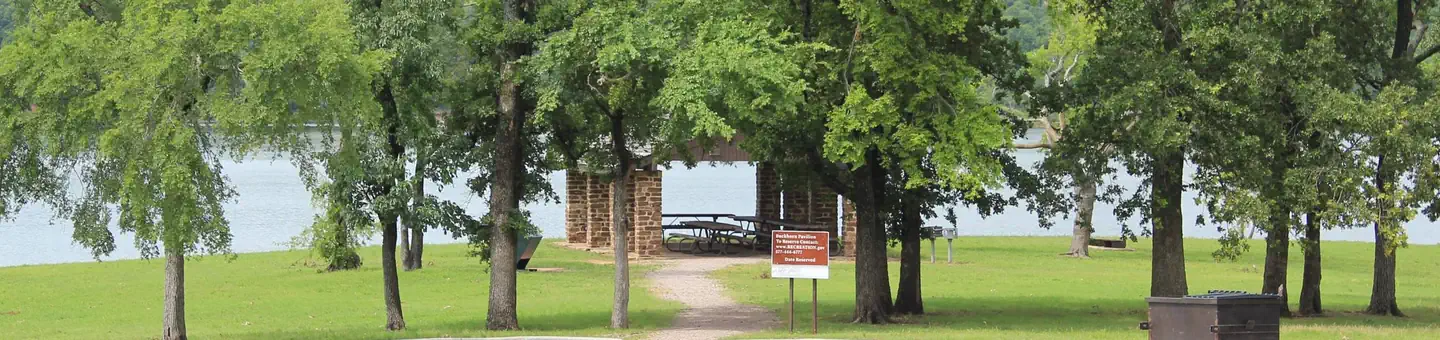
Lake fishing
Buckhorn Pavilion
Oklahoma
River fishing
Buncombe Creek Resort Marina
Oklahoma
Lake fishing
Burnt Cabin
Oklahoma
Lake fishing
Burshy Peaceable Creek Site 16 Reservoir
Pittsburg, Oklahoma
Lake fishing
Caddo Creek Site 21 Reservoir
Ardmore, Oklahoma
Lake fishing
Caddo Creek Site 25 Reservoir
Healdton, Oklahoma
Oklahoma has more man-made lake shoreline than any other state, and the 238 fishing spots on Roamze reflect just how spread out the opportunity is — from the largemouth bass and crappie fishery at Grand Lake O' the Cherokees near Jay, to striped bass at Thunderbird Lake outside Norman, to small conservation district reservoirs like Sugar Creek Site 30 near Gracemont and Uncle John Creek Site 12 near Okarche that most out-of-state anglers never hear about. The terrain shifts considerably as you move across the state: eastern Oklahoma leans toward timbered reservoir fishing and river access points like Spaniard Creek near Muskogee and the Dam Site at Fort Gibson Lake near Fort Gibson, while the central and western parts of the state are dotted with smaller impoundments built by the Soil Conservation Service, many of which hold channel catfish and bass with very little fishing pressure. Elevation is not a major factor for most Oklahoma fishing — Thunderbird Lake sits at 1,100 feet and Grand Lake at 745 feet — but seasonal water temperature swings matter a lot for planning. Spring and fall are the most productive windows across the board, and access difficulty at most listed sites is rated easy, meaning bank fishing and small boats are viable options at the majority of locations.
Frequently asked questions
What species can I realistically target at Oklahoma's listed fishing spots?
Largemouth bass, crappie, and channel catfish show up across the widest range of waters, including Grand Lake O' the Cherokees near Jay and Thunderbird Lake near Norman. Smallmouth bass are also present at Grand Lake. Striped bass are specifically noted at Thunderbird Lake, which is worth targeting if that's your focus since striper opportunities are less common at the smaller conservation district reservoirs.
When is the best time of year to fish Oklahoma lakes?
Spring (March through May) is the strongest window for bass and crappie, as fish move shallow to spawn and water temperatures climb into the productive range. Fall (September through November) is a close second, especially for crappie and catfish. Summer fishing is viable early morning and after sunset, but midday surface temperatures on Oklahoma reservoirs can push fish deep and slow action considerably.
Do I need a fishing license, and where do I get one?
Yes, a valid Oklahoma fishing license is required for anglers 16 and older at all public waters listed here. You can purchase one through the Oklahoma Department of Wildlife Conservation website or at most sporting goods retailers statewide. Some waters on military or institutional property — like the Red near Fort Sill or Taft Institution Lake near Muskogee — may have additional access requirements, so confirm before you go.
Are the smaller reservoirs like the conservation district sites worth fishing, or should I stick to the major lakes?
The smaller SCS-built reservoirs — sites like Cane Creek Site 14 near Okmulgee, Lower Black Bear Number 17 near Pawnee, and Waterfall-Gilford Creeks Site 4 near Idabel — often receive far less pressure than Grand Lake or Thunderbird and can produce solid catfish and bass fishing. They tend to be best suited for bank fishing or small kayaks rather than larger boats, and access roads vary in quality, so a quick check of current conditions before visiting is worthwhile.
What gear setup makes sense for a first trip covering multiple Oklahoma sites?
A medium-action spinning rod in the 6- to 7-foot range handles the widest variety of situations across Oklahoma's lakes and reservoirs — workable for bass, crappie, and catfish without needing to swap rigs constantly. For catfish, a simple bottom rig with cut bait or prepared bait covers most of the conservation district reservoirs. If you're targeting striped bass at Thunderbird Lake specifically, heavier tackle and live shad are the standard approach locals use.
Keep exploring — more waters worth the drive
Wewoka Lake
~22 min drive
A worthwhile stop near Oklahoma.
Thunderbird Lake - Little River Park Ramp
~47 min drive
Easy
Katy Reservoir
~25 min drive
A worthwhile stop near Oklahoma.
Arcadia Lake East Ramp
~1h 12m drive
Easy
Robinson Creek Site Number 2 Reservoir
~28 min drive
A worthwhile stop near Oklahoma.
Quapaw Creek Site 2 Reservoir
~34 min drive
A worthwhile stop near Oklahoma.
Salt Creek Site 1 Reservoir
~35 min drive
A worthwhile stop near Oklahoma.
Quapaw Creek Site 37 Reservoir
~37 min drive
A worthwhile stop near Oklahoma.
Quapaw Creek Site 44 Reservoir
~38 min drive
A worthwhile stop near Oklahoma.
Browns Lake
~38 min drive
A worthwhile stop near Oklahoma.
Salt Creek Site 39 Reservoir
~38 min drive
A worthwhile stop near Oklahoma.
Browns Lake
~39 min drive
A worthwhile stop near Oklahoma.