North Carolina · Fishing
Fishing in waynesville, North Carolina
Waynesville sits at the western edge of Haywood County, close enough to Great Smoky Mountains National Park that most of the fishing near town means freestone mountain streams rather than reservoirs or stocked ponds.
4 spotsUpdated dailyFree to access
View on mapFishing · 4 spots
Featured spots

All spots · 4 spots
No additional spots match this filter.
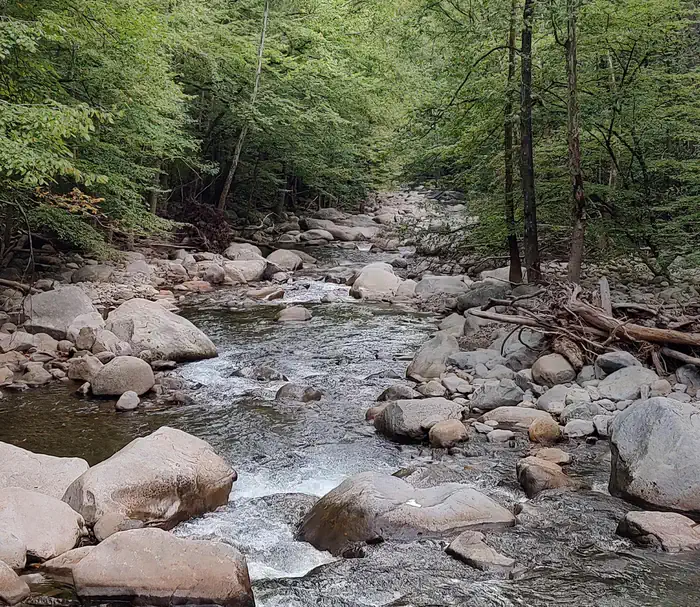
Waynesville sits at the western edge of Haywood County, close enough to Great Smoky Mountains National Park that most of the fishing near town means freestone mountain streams rather than reservoirs or stocked ponds. The four listings in this area are all tied to the park's northeastern corner — Big Creek Campground, Big Creek Group Camp, Cataloochee Campground, and Cataloochee Horse Camp — which puts anglers on or near two distinct drainages: Big Creek and the Cataloochee Creek watershed. Both are classic Southern Appalachian rivers, running cold and clear over cobble and bedrock, and both hold wild trout in a roadless setting that keeps pressure lower than more accessible stretches of the Smokies. Getting to Cataloochee requires navigating a narrow, winding road that discourages casual visitors, which is part of the appeal. Big Creek is similarly tucked away off I-40 near the Tennessee line. If you're based in Waynesville and looking to fish, plan on a 30-45 minute drive to reach either area, and go in knowing that Great Smoky Mountains National Park has its own specific fishing regulations that differ from standard North Carolina state rules.
Frequently asked questions
Do I need a North Carolina fishing license to fish in Great Smoky Mountains National Park near Waynesville?
Great Smoky Mountains National Park requires a valid fishing license from either North Carolina or Tennessee, depending on which side of the park boundary you're fishing. For Big Creek and the Cataloochee area, you'll need a North Carolina license. The park also has its own set of regulations — including rules on bait type and tackle — that apply on top of state rules, so check the park's current fishing regulations before you go.
What species can I expect to catch at Big Creek and Cataloochee?
Both drainages support wild trout, primarily wild rainbow trout and, in some reaches, wild brook trout. Brook trout in the Smokies tend to hold in smaller, higher-elevation tributaries. The streams are not stocked, so fish are smaller on average than what you'd find in a managed tailwater, but they're wild and the setting is hard to beat.
What's the best time of year to fish these streams?
Spring and fall are the most productive seasons on these mountain streams. Spring runoff can push water levels up through March and into April, but once flows stabilize, fishing picks up noticeably. Summer brings low, clear water that makes fish spooky and midday fishing slow — early morning is your best window. The park's fishing season typically runs year-round on most streams, but confirm current regulations since some tributaries have seasonal closures.
What gear setup works well for river fishing in this area?
A 7- to 8-foot ultralight spinning rod or a 3- to 4-weight fly rod covers most situations on these tight, tree-lined streams. Small spinners, dry flies, and nymphs all produce. Keep your terminal tackle light — these are clear, low-gradient streams where fish can see heavy line. Check park regulations on bait, as the use of live or natural bait is restricted in parts of the park.
Is the Cataloochee area accessible for day-trip fishing, or do I need to camp?
Day trips are possible from Waynesville, but the drive into Cataloochee takes longer than the mileage suggests because of the narrow, unpaved road. Arriving early matters both for road conditions and for fishing quality. Staying at Cataloochee Campground or Cataloochee Horse Camp puts you on the water at first light without the drive, which is a real advantage on summer mornings when the bite slows quickly once the sun hits the water.
Keep exploring — more waters worth the drive
Big Creek Campground (great Smoky Mountains National Park)
~7 min drive
A worthwhile stop near North Carolina.
Cheoah Point Cabin 1
~47 min drive
A worthwhile stop near North Carolina.
Douglas Lake
~38 min drive
A worthwhile stop near Tennessee.
Balsam Lake Lodge
~51 min drive
A worthwhile stop near North Carolina.
Little River in Great Smoky Mountains
~56 min drive
Moderate
Kuykendall Group Camp
~1h 4m drive
A worthwhile stop near North Carolina.
Cataloochee Campground
~7 min drive
A worthwhile stop near North Carolina.
Cheoah Point Cabin 2
~47 min drive
A worthwhile stop near North Carolina.
Enka Lake
~46 min drive
A worthwhile stop near North Carolina.
Sycamore Flats Picnic Shelter
~1h 2m drive
A worthwhile stop near North Carolina.
Davidson River - Avery Creek Access
~1h 5m drive
Moderate
Big Creek Group Camp
~7 min drive
A worthwhile stop near North Carolina.