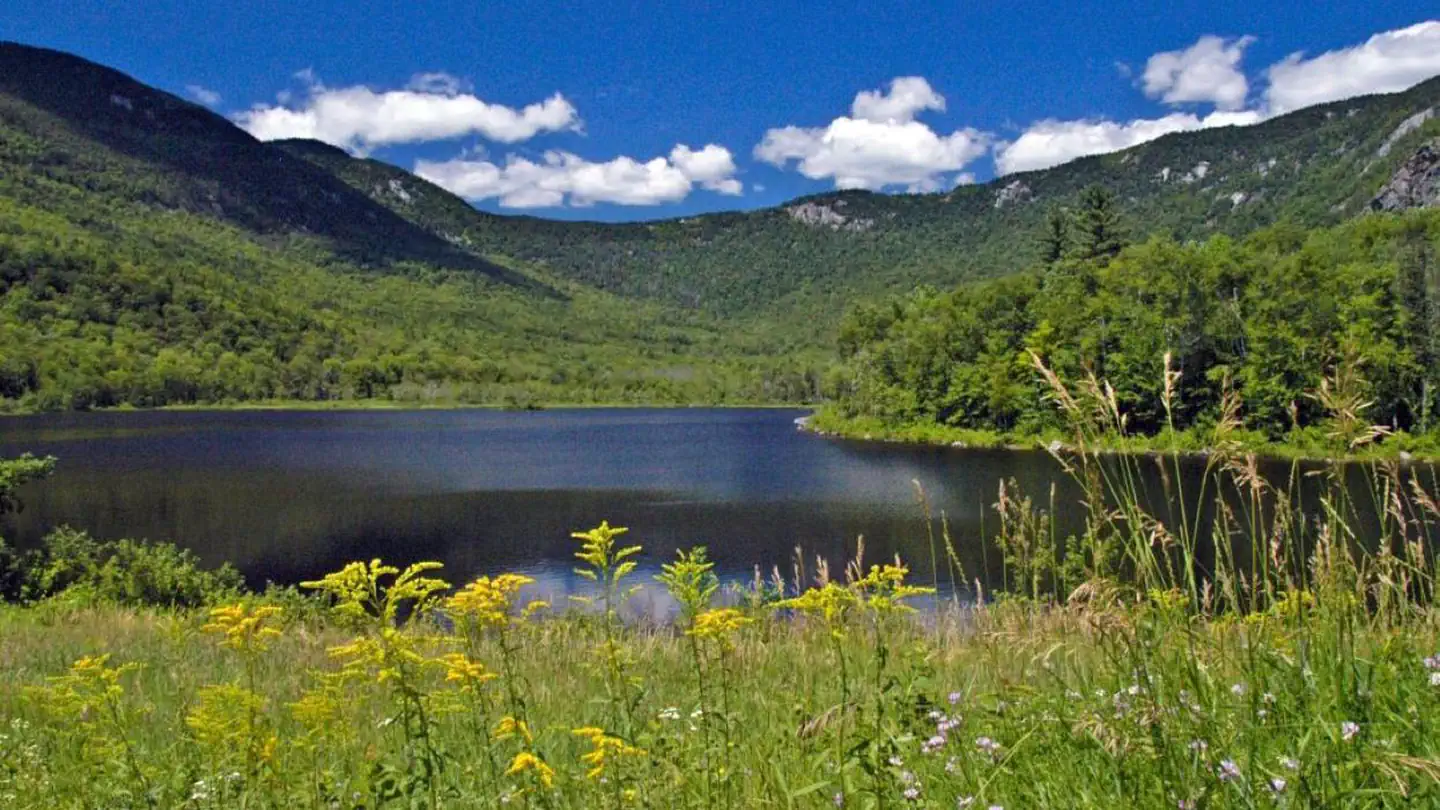
New Hampshire · Fishing
Fishing in New Hampshire
New Hampshire packs a surprising amount of fishable water into a small state. The 378 listings on Roamze cover everything from the sprawling 72-square-mile Lake Winnipesaukee near Moultonborough to quiet backwater spots like Hothole Pond
526 spots9 townsUpdated dailyFree to access
View on mapFishing · 200 spots
Featured spots
 riverWild Trout
Fly fishing
Connecticut River - Pittsburg Stretch
Pittsburg, New Hampshire
brook trout, rainbow trout
Lake fishing
Basin Campground
New Hampshire
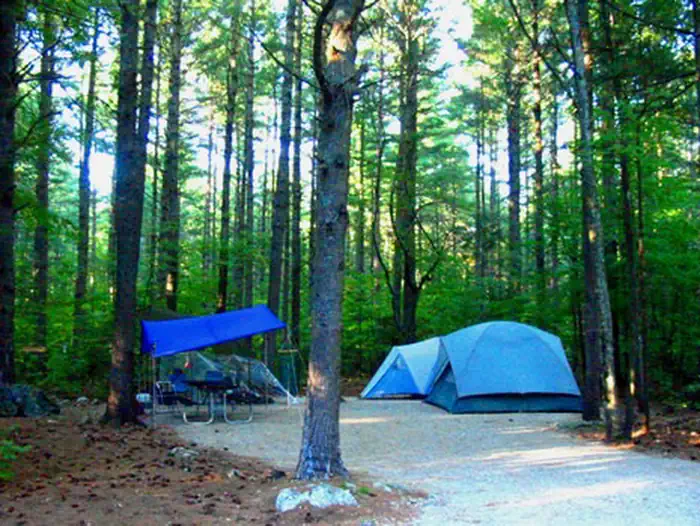
Lake fishing
Cold River
New Hampshire
River fishing
Covered Bridge
Albany, New Hampshire
River fishing
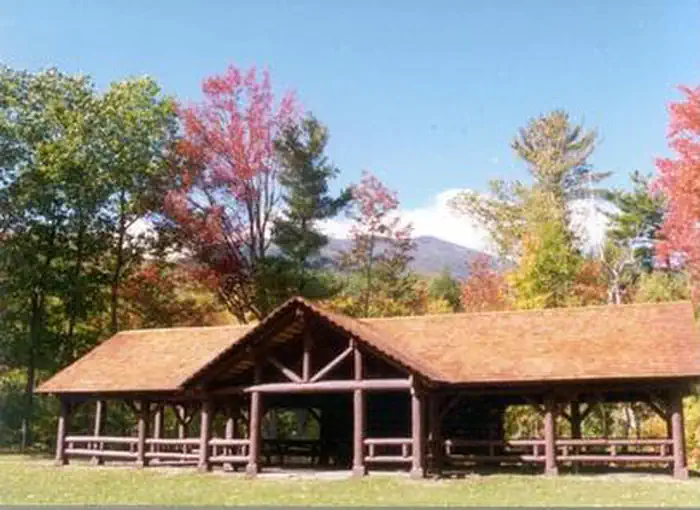
Dolly Copp Picnic Pavilion
Martins Location, New Hampshire
All spots · 200 of 526 spots

Lake fishing
Al's Pond
Sandwich, New Hampshire
 river
riverFly fishing
Ammonoosuc River - Lisbon Access
Lisbon, New Hampshire
rainbow trout, brown trout
 river
riverFly fishing
Androscoggin River - Errol Access
Errol, New Hampshire
brown trout, rainbow trout

Lake fishing
Archers Pond
Ossipee, New Hampshire
Lake fishing
Ayers Pond
Hudson, New Hampshire
Lake fishing
Baboosic Lake
Merrimack, New Hampshire

Lake fishing
Back Pond
Stewartstown, New Hampshire
Lake fishing
Badger Pond
Lyndeborough, New Hampshire

Lake fishing
Bagley Pond
Warner, New Hampshire
Lake fishing
Bagley Pond
New Hampshire
Lake fishing
Bagley Pond
Warner, New Hampshire
Lake fishing
Baker Pond
Coos Junction, New Hampshire
Lake fishing
Bancroft Reservoir
Rindge, New Hampshire
Lake fishing
Bancroft Resevoir
Rindge, New Hampshire
Lake fishing
Baptist Pond
Springfield, New Hampshire
Lake fishing
Baptist Pond
New Hampshire
Lake fishing
Barden Pond
Washington, New Hampshire
Lake fishing
Barrett Pond
Washington, New Hampshire
Lake fishing
Basin Brook Reservoir
Chatham, New Hampshire
Lake fishing
Batchelder Pond
Wilton, New Hampshire
Lake fishing
Bear Hill Pond
Allenstown, New Hampshire
Lake fishing
Bear Pond
Washington, New Hampshire
Lake fishing
Beard Pond
New Hampshire
Lake fishing
Beaver Pond
New Hampshire
New Hampshire packs a surprising amount of fishable water into a small state. The 378 listings on Roamze cover everything from the sprawling 72-square-mile Lake Winnipesaukee near Moultonborough to quiet backwater spots like Hothole Pond near Loudon and Mud Pond near Deering that rarely see pressure on a weekday. Lake fishing dominates the options here, with ponds and reservoirs spread across every region of the state — Pawtuckaway Lake near Nottingham in the southeast, Bog Brook Reservoir near Grantham in the upper valley, Back Pond near Stewartstown up in Coos County near the Canadian border. River fishing is also in the mix, with listings like the stretch near Sugarloaf 2 Campground in Twin Mountain giving you access to moving water in the White Mountains corridor. The variety means you can target warmwater species like largemouth bass and yellow perch on lowland ponds in summer, then shift to coldwater fishing on deeper lakes and streams as seasons change. New Hampshire Fish and Game manages an active stocking program, so smaller waters like Cummings Meadow Reservoir near Jaffrey and Whittemore Lake near Bennington can fish well even when they look unassuming on a map. A valid New Hampshire fishing license is required for anyone 16 and older.
Frequently asked questions
When is the best time of year to fish in New Hampshire?
Late April through June is strong across most water types, right after ice-out when fish are active in the shallows and New Hampshire Fish and Game has completed its spring stocking runs. Fall, from September into October, is a second productive window, particularly on lakes like Lake Winnipesaukee and Pawtuckaway Lake where cooling water pushes fish into more predictable patterns. Summer midday heat slows surface activity on warmwater ponds, so early morning and the last two hours before dark are your best bets from July through August.
Do I need a fishing license, and where do I get one?
Yes, anyone 16 or older needs a valid New Hampshire fishing license. You can buy one online through the New Hampshire Fish and Game Department website, at most sporting goods stores, or at many town clerk offices. Non-resident licenses are available in one-day, three-day, and full-season options, which is worth knowing if you're only making a short trip to somewhere like Spectacle Pond near Marlborough or Pleasant Lake near Deerfield.
What species can I expect to catch in New Hampshire lakes and ponds?
Largemouth and smallmouth bass, yellow perch, chain pickerel, and rainbow trout are the most commonly targeted species across the lake and pond listings here. Larger waters like Lake Winnipesaukee hold lake trout and landlocked salmon in addition to bass and perch. Smaller impoundments like Greenville Reservoir near Temple and Bancroft Reservoir near Rindge tend to be stocked with trout and are good bets for perch and pickerel as well.
What gear setup makes sense for fishing New Hampshire ponds and lakes?
A medium-light spinning rod in the 6- to 7-foot range handles most situations on New Hampshire ponds, whether you're throwing small jigs for perch, working soft plastics for bass, or drifting a worm under a bobber for stocked trout. If you're fishing larger, deeper water like Lake Winnipesaukee and targeting lake trout or salmon, you'll want heavier tackle and likely a boat with the ability to troll or jig at depth. For river fishing near spots like the Twin Mountain area, a lighter rod and basic drift-fishing or spinner setup covers most scenarios.
Are most of these fishing spots accessible without a boat?
Many of the smaller ponds and reservoirs in the listings, including spots like Horseshoe Pond near Canterbury, Nubble Pond near Farmington, and Mitchell Pond near Windham, have public access points where bank fishing is practical. That said, a kayak or canoe opens up a lot more water and lets you reach structure that bank anglers can't reach. On larger lakes like Pawtuckaway and Winnipesaukee, a motorized boat is a real advantage, though both have public boat launches.
Keep exploring — more waters worth the drive
Elm Brook Park Rec Area
~18 min drive
A worthwhile stop near New Hampshire.
Little Pond
~4 min drive
A worthwhile stop near New Hampshire.
Winnipesaukee River - Franklin
~13 min drive
Easy
Sondogardy Pond
~7 min drive
A worthwhile stop near New Hampshire.
Contoocook River - Hopkinton
~13 min drive
Easy
Little Pond
~8 min drive
A worthwhile stop near New Hampshire.
Merrimack River - Concord Access
~18 min drive
Easy
Kimball Pond
~8 min drive
A worthwhile stop near New Hampshire.
Horseshoe Pond
~9 min drive
A worthwhile stop near New Hampshire.
Crane Neck Pond
~9 min drive
A worthwhile stop near New Hampshire.
Spender Pond
~11 min drive
A worthwhile stop near New Hampshire.
Spender Pond
~11 min drive
A worthwhile stop near New Hampshire.