Idaho · Fishing
Fishing in white-bird, Idaho
White Bird sits in a deep canyon along the Salmon River corridor in north-central Idaho, and the fishing options within reach reflect that geography.
5 spotsUpdated dailyFree to access
View on mapFishing · 5 spots
Featured spots

All spots · 5 spots
No additional spots match this filter.
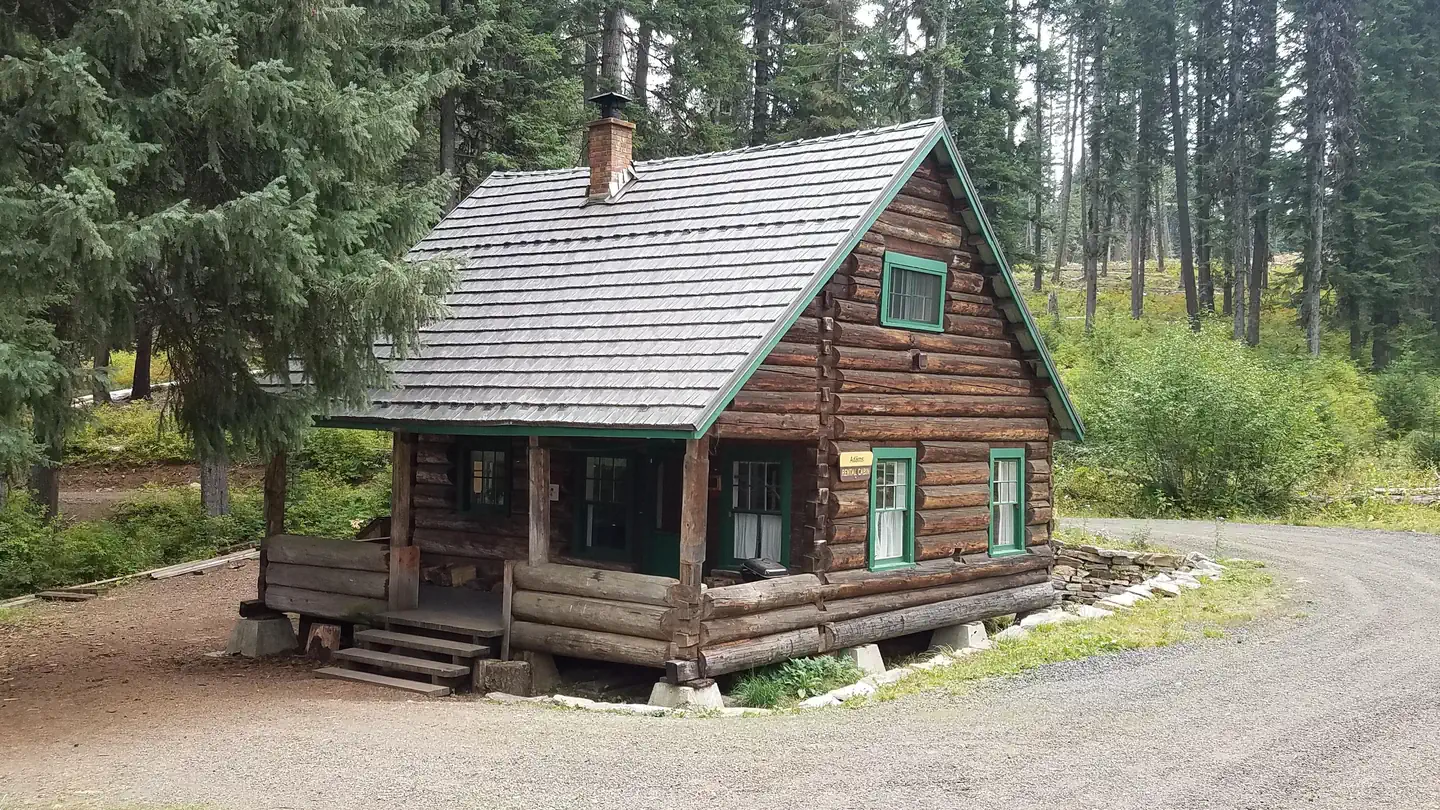
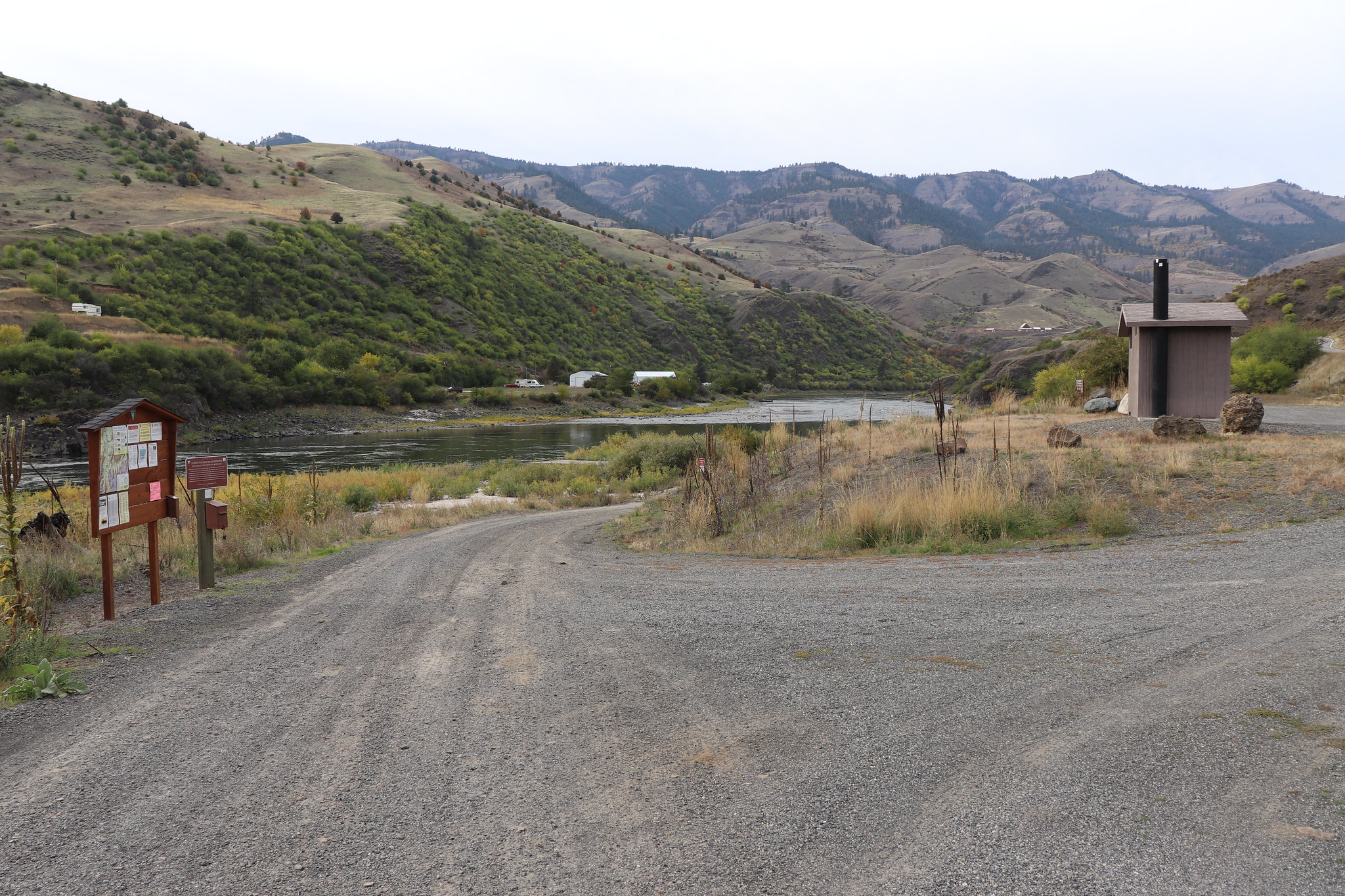
White Bird sits in a deep canyon along the Salmon River corridor in north-central Idaho, and the fishing options within reach reflect that geography. The area is anchored by river fishing, with Slate Creek Recreation Site, the White Bird Gravel Pit Recreation Site, and Skookumchuck Recreation Site all offering access to moving water within a short drive. Hells Canyon National Recreation Area stretches along the Snake River to the west and adds a more remote dimension to the mix, while Adams Ranger Station opens up additional river access for those willing to explore further into the backcountry. The Salmon River itself is the main draw here, known for steelhead runs and chinook salmon, and the canyon setting means water temperatures and conditions can shift noticeably between seasons. This is not a manicured put-and-take fishery — access points vary in difficulty, some require a short walk from a gravel pullout, and Hells Canyon in particular demands more planning around jet boat shuttles or trail access. If you are coming specifically for steelhead or salmon, timing your trip around run windows is the most important variable you can control.
Frequently asked questions
What species can I target fishing near White Bird?
The Salmon River corridor around White Bird is primarily known for steelhead and chinook salmon runs. The gravel pit and creek access points like Slate Creek may also hold resident trout. Check Idaho Fish and Game regulations for current open species and any hatchery-only restrictions before you go, as these change by season and run year.
When is the best time of year to fish this area?
Fall steelhead typically move through the Salmon River canyon from late September into November, and spring chinook runs generally peak between April and June, though exact timing shifts year to year. Summer months can see low, warm water that stresses fish, so early mornings are worth prioritizing if you are fishing in July or August. Hells Canyon on the Snake River has its own seasonal patterns that may differ from the Salmon, so check conditions for each water body separately.
How do I access Hells Canyon National Recreation Area from White Bird?
Hells Canyon NRA on the Idaho side is not drive-up accessible at the canyon bottom for most of its length. Reaching the Snake River typically involves a jet boat trip, a multi-mile trail hike, or launching a raft or drift boat from a put-in point. Plan for a full day at minimum and contact the Hells Canyon NRA office for current road and trail conditions before your trip.
What gear setup makes sense for river fishing here?
For steelhead on the Salmon River, most anglers use medium-heavy spinning or casting rods in the 8.5 to 10 foot range, paired with 15 to 20 pound monofilament or braid. Drift fishing with cured eggs or casting spinners and spoons are both common approaches. Waders are useful at most access points including Slate Creek and the White Bird Gravel Pit site, where you will want to get out into the current rather than fishing from the bank.
Do I need a special license or permit to fish the Salmon River near White Bird?
Yes. Idaho requires a valid state fishing license, and steelhead and salmon fishing additionally requires a salmon-steelhead permit tag. Hells Canyon NRA has its own set of considerations if you are crossing into Oregon waters on the Snake River. Purchase your Idaho license and tags through Idaho Fish and Game before arriving, as there are no license vendors in White Bird itself.
Keep exploring — more waters worth the drive
White Bird Gravel Pit Recreation Site
~8 min drive
A worthwhile stop near Idaho.
Johnson Bar Group Site
~1h 17m drive
A worthwhile stop near Idaho.
Quad Lake
~49 min drive
A worthwhile stop near Idaho.
Fenn Pond
~1h 17m drive
A worthwhile stop near Idaho.
Old Lucile Recreation Site
~19 min drive
A worthwhile stop near Idaho.
Skookumchuck Recreation Site
~5 min drive
A worthwhile stop near Idaho.
Upper Twin Lake
~49 min drive
A worthwhile stop near Idaho.
Adams Ranger Station
~19 min drive
A worthwhile stop near Idaho.
Orogrande Summit Campground
~55 min drive
A worthwhile stop near Idaho.
South Fork Group Site 5 - Nez Perce NF
~31 min drive
A worthwhile stop near Idaho.
French Creek Lakes
~1h 1m drive
A worthwhile stop near Idaho.
Island Bar Recreation Site
~31 min drive
A worthwhile stop near Idaho.