Idaho · Fishing
Fishing in wallace, Idaho
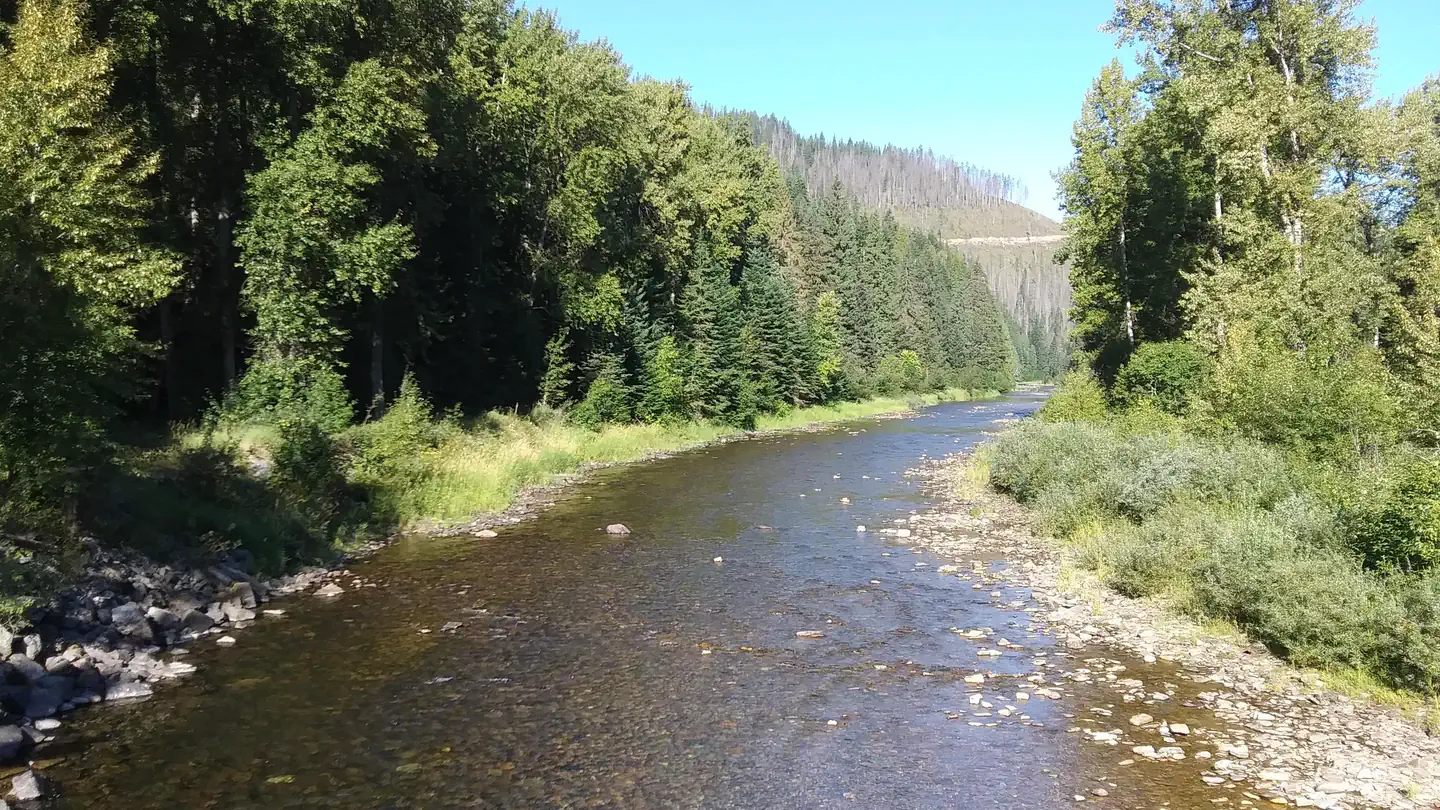
Wallace sits in the Silver Valley at the confluence of several drainages that feed the North Fork of the Coeur d'Alene River system, and the river fishing around here is almost entirely of the wade-in, moving-water variety.
7 spotsUpdated dailyFree to access
View on mapFishing · 7 spots
Featured spots
All spots · 7 spots
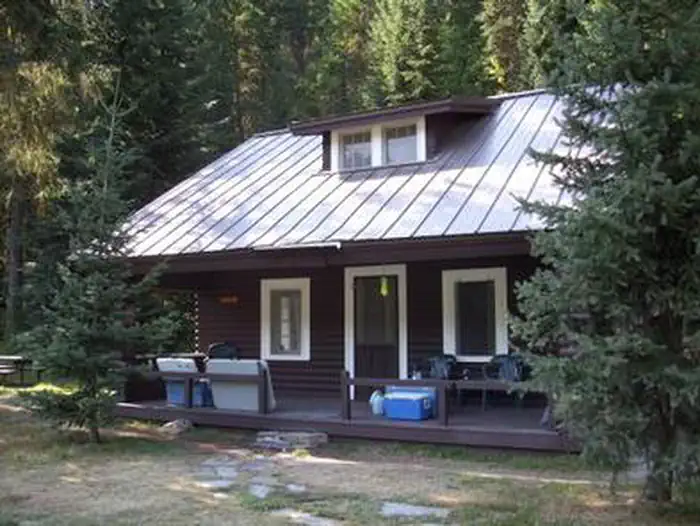
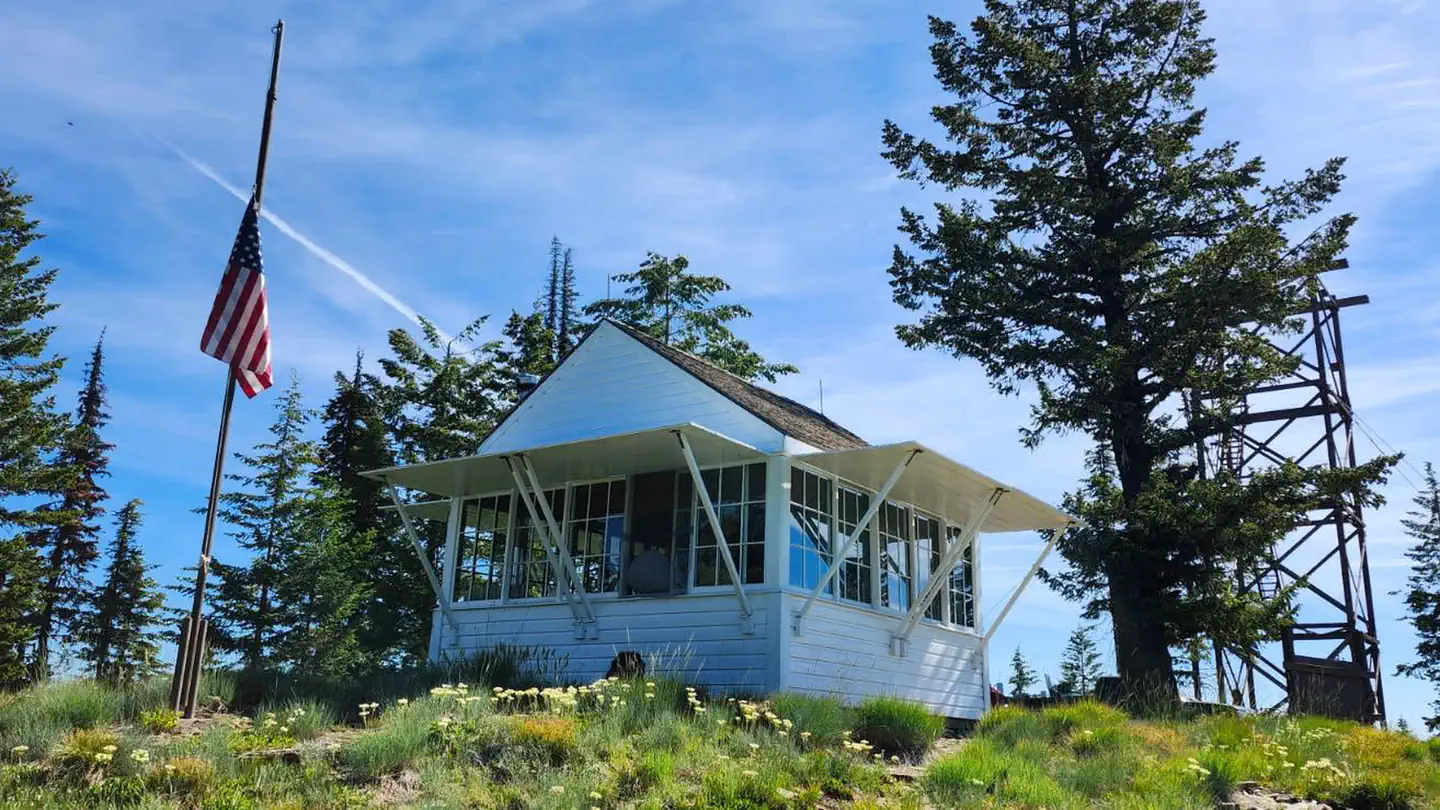
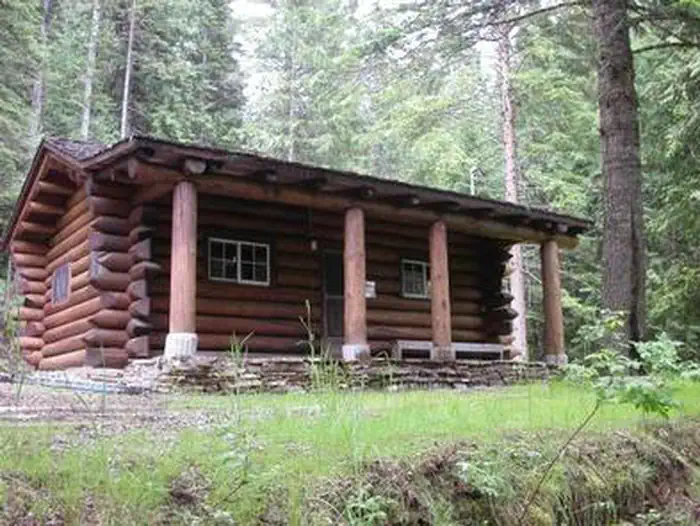
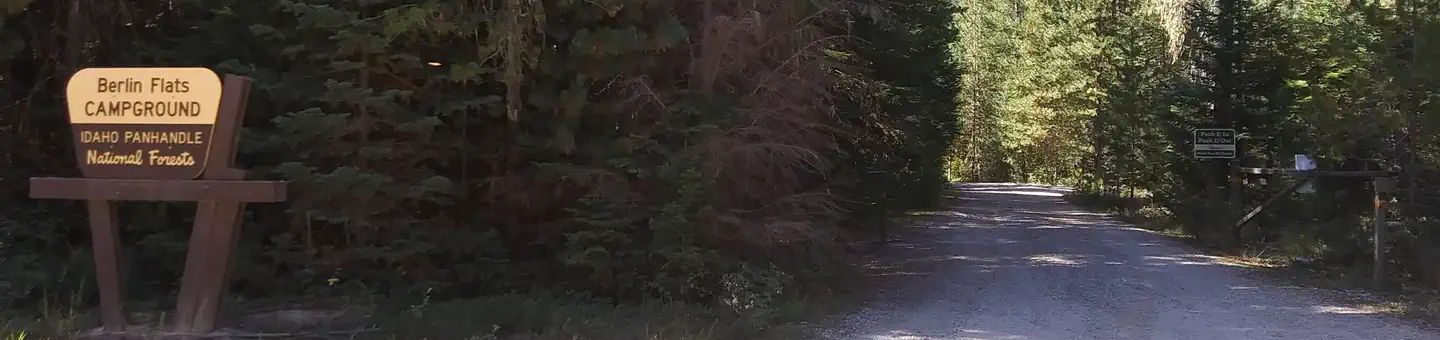
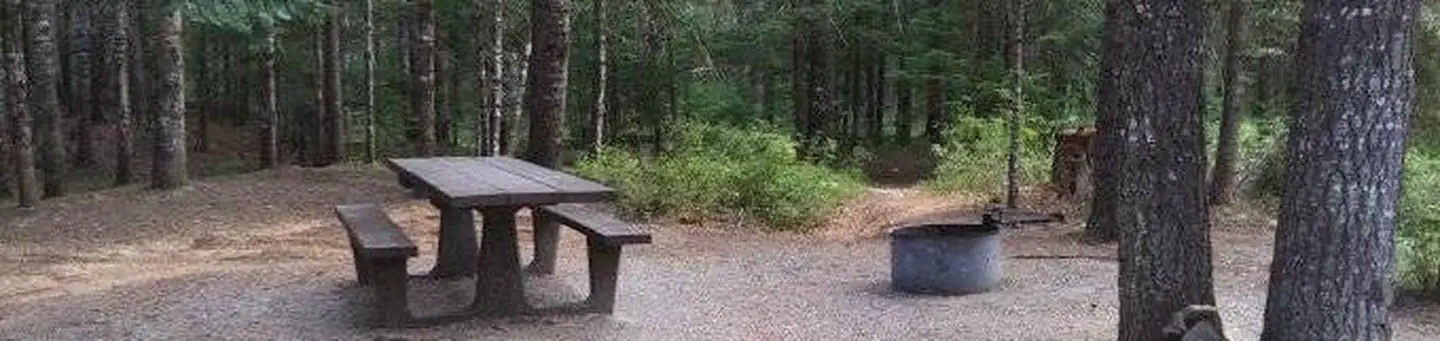
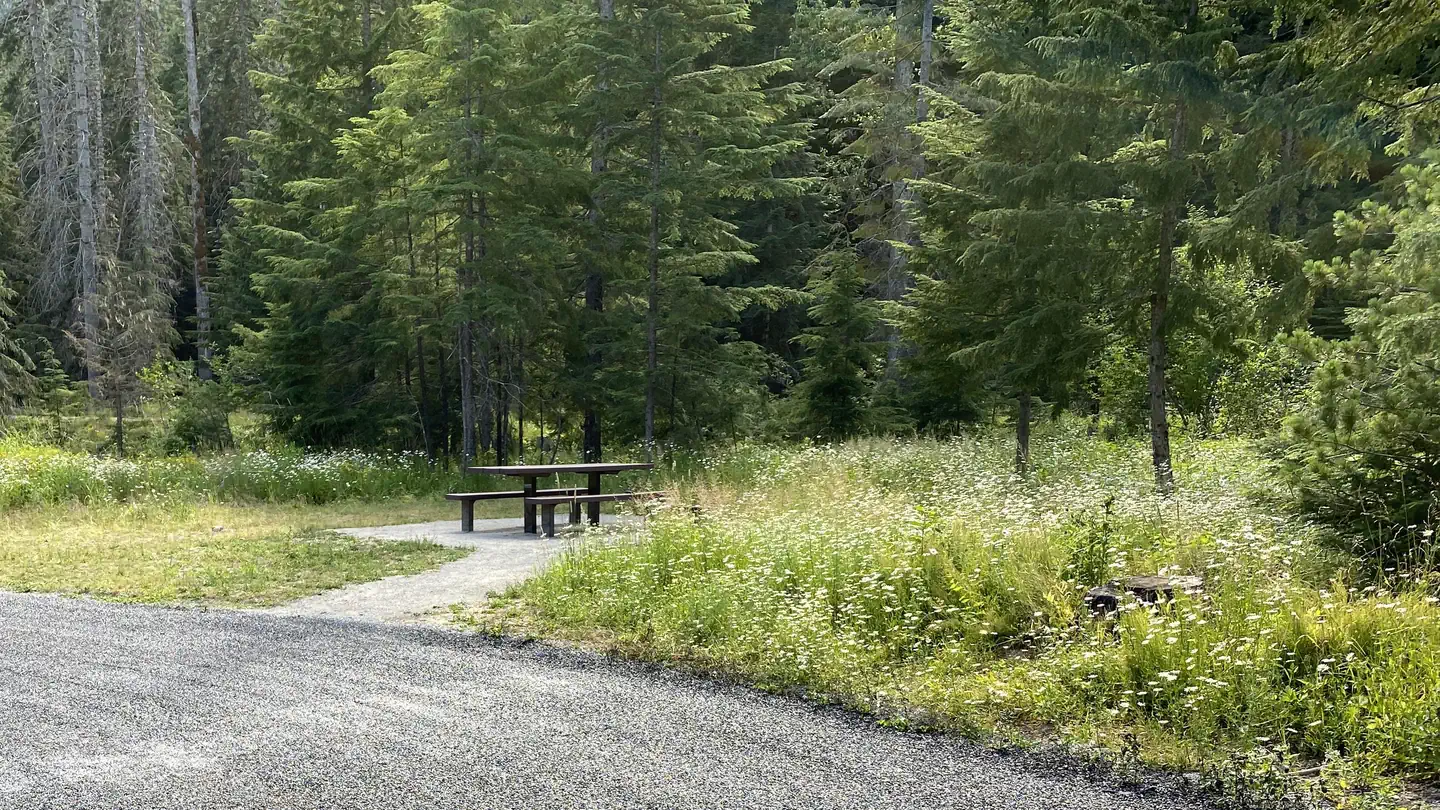
Wallace sits in the Silver Valley at the confluence of several drainages that feed the North Fork of the Coeur d'Alene River system, and the river fishing around here is almost entirely of the wade-in, moving-water variety. The seven access points and cabin sites in and around Wallace — Spyglass Ground House, Magee Rangers Cabin, Berlin Flats, Kit Price, Devils Elbow, Avery Creek Cabin, and Big Hank — all sit along river corridors, so if you're expecting a lake or reservoir experience, this isn't that trip. What you get instead is freestone river fishing through heavily timbered canyon country, with the kind of access that rewards anglers willing to walk a bit past the obvious pull-offs. The North Fork drainage runs cold and clear when conditions cooperate, but snowmelt and spring runoff can blow it out well into May or even June depending on the year. Late summer and early fall tend to offer the most consistent water clarity and fish activity. This is Idaho Fish and Game Region 1 water, so current regulations and license requirements apply — check the IDFG website before you go, because slot limits and gear restrictions on these drainages can change season to season.
Frequently asked questions
What kind of fish can I expect to catch near Wallace?
The river corridors around Wallace and the surrounding drainages hold cutthroat trout and some bull trout, along with whitefish. Bull trout are a protected species in much of this system, so check current Idaho Fish and Game regulations before keeping anything — catch-and-release is often required for them specifically.
When is the best time of year to fish around Wallace?
Late summer through early fall is generally the most reliable window. Spring runoff from the surrounding mountains can muddy and raise the river significantly, sometimes keeping it unfishable into June. By August the water has typically dropped and cleared, and fish are more concentrated and predictable heading into September and October.
Are spots like Berlin Flats and Devils Elbow walk-in access or can you drive to the water?
Most of these sites are accessible via forest roads, but road conditions vary and some require high-clearance vehicles, especially earlier in the season when roads are soft. Devils Elbow and Big Hank in particular can involve rougher road segments, so check with the Idaho Panhandle National Forests office in Wallace before assuming you can get there in a standard passenger car.
What gear setup makes sense for this type of river fishing?
A 9-foot, 4- or 5-weight fly rod covers most situations on these freestone streams, and a 3- to 4-pound fluorocarbon tippet is a reasonable starting point. If you prefer conventional gear, light spinning tackle with small spinners or inline lures works well in the faster pocket water. Wading boots with felt or rubber soles are worth having since the cobble in these drainages can be slippery.
Do I need a guide to fish these spots, or are they manageable for a self-guided angler?
These are self-guided-friendly access points with no technical whitewater or serious navigation required. Someone comfortable reading moving water and wading a mid-sized river should do fine on their own. If you're new to freestone stream fishing, a half-day with a local guide out of Wallace or Coeur d'Alene would shorten the learning curve considerably, but it's not a requirement.
Keep exploring — more waters worth the drive
Berlin Flats
~5 min drive
A worthwhile stop near Idaho.
Bull River Pavilion
~35 min drive
A worthwhile stop near Montana.
Bull River Guard Station
~45 min drive
A worthwhile stop near Montana.
Blue Creek Bay Recreation Site and Trail
~51 min drive
A worthwhile stop near Idaho.
Coeur d'Alene Lake: Higgens Point
~54 min drive
Easy
Devils Elbow
~5 min drive
A worthwhile stop near Idaho.
Mokins Bay Campground
~47 min drive
A worthwhile stop near Idaho.
Killarney Lake Picnic Site
~50 min drive
A worthwhile stop near Idaho.
Big Hank
~5 min drive
A worthwhile stop near Idaho.
Mica Bay Boater Park
~1h 7m drive
A worthwhile stop near Idaho.
Big Eddy Campground
~36 min drive
A worthwhile stop near Montana.
Kit Price
~7 min drive
A worthwhile stop near Idaho.
Also worth it near here