Idaho · Fishing
Fishing in Soda Springs, Idaho
Soda Springs sits in the upper reaches of the Bear River country, and the fishing around it is more varied than most people expect.
6 spotsUpdated dailyFree to access
View on mapFishing · 6 spots
Featured spots
All spots · 6 spots
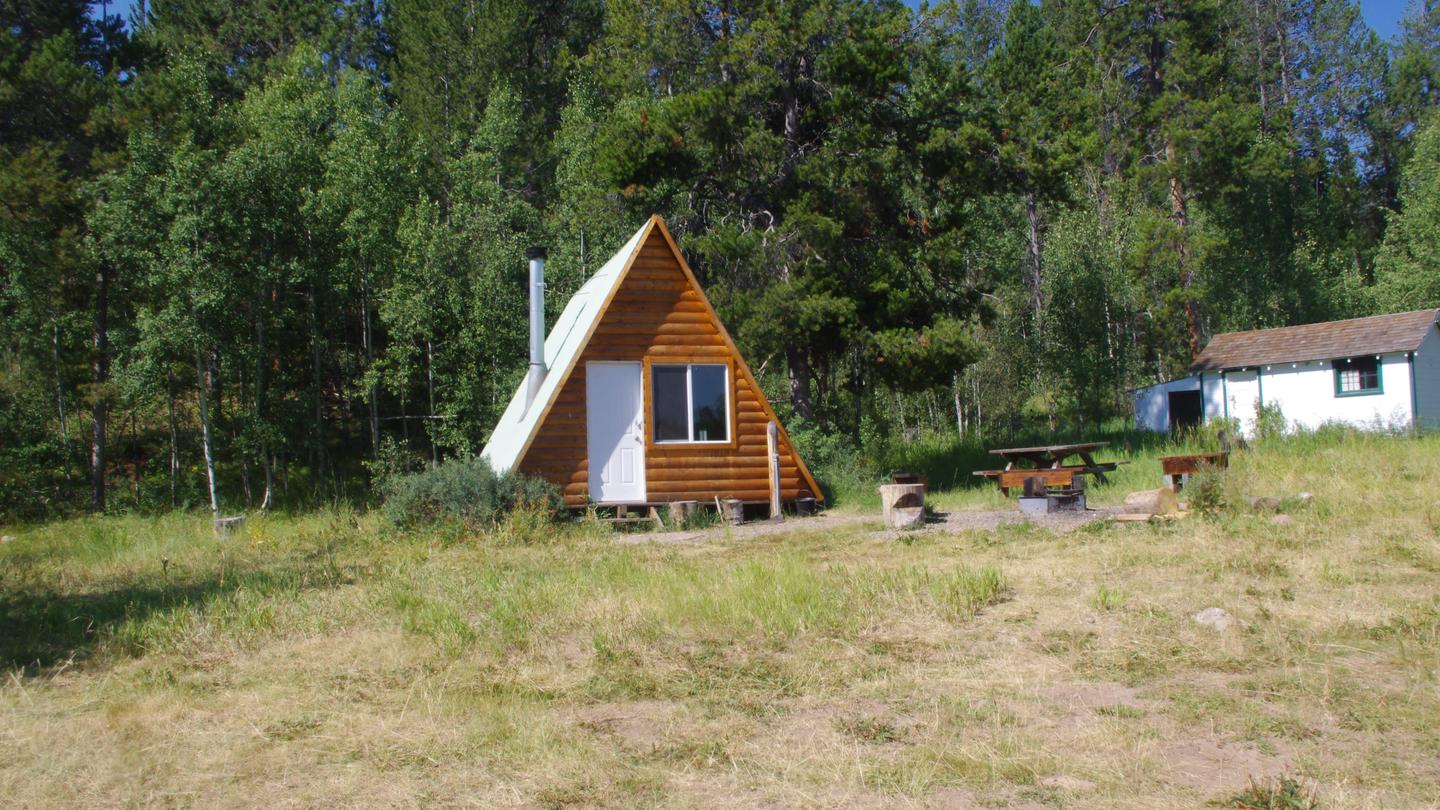
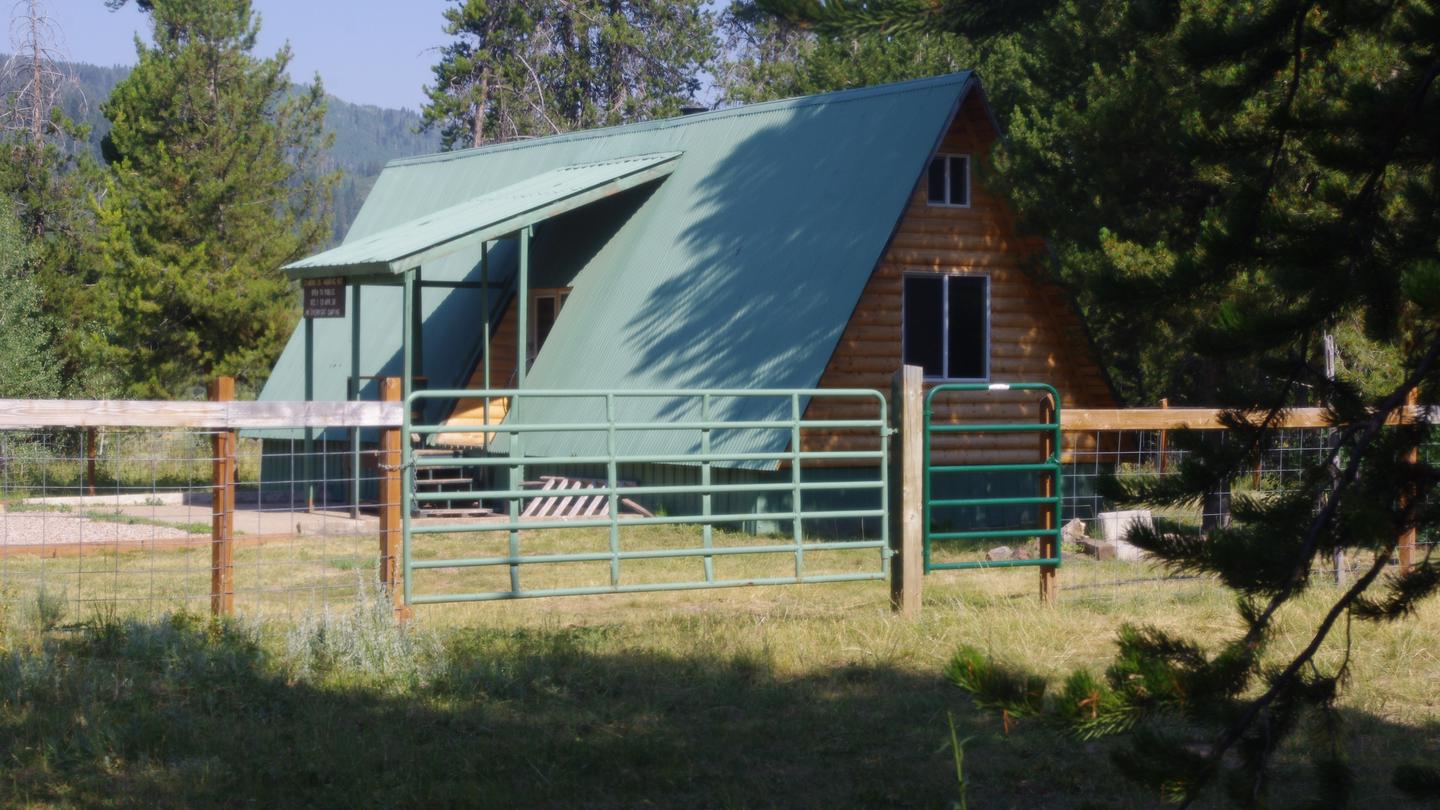
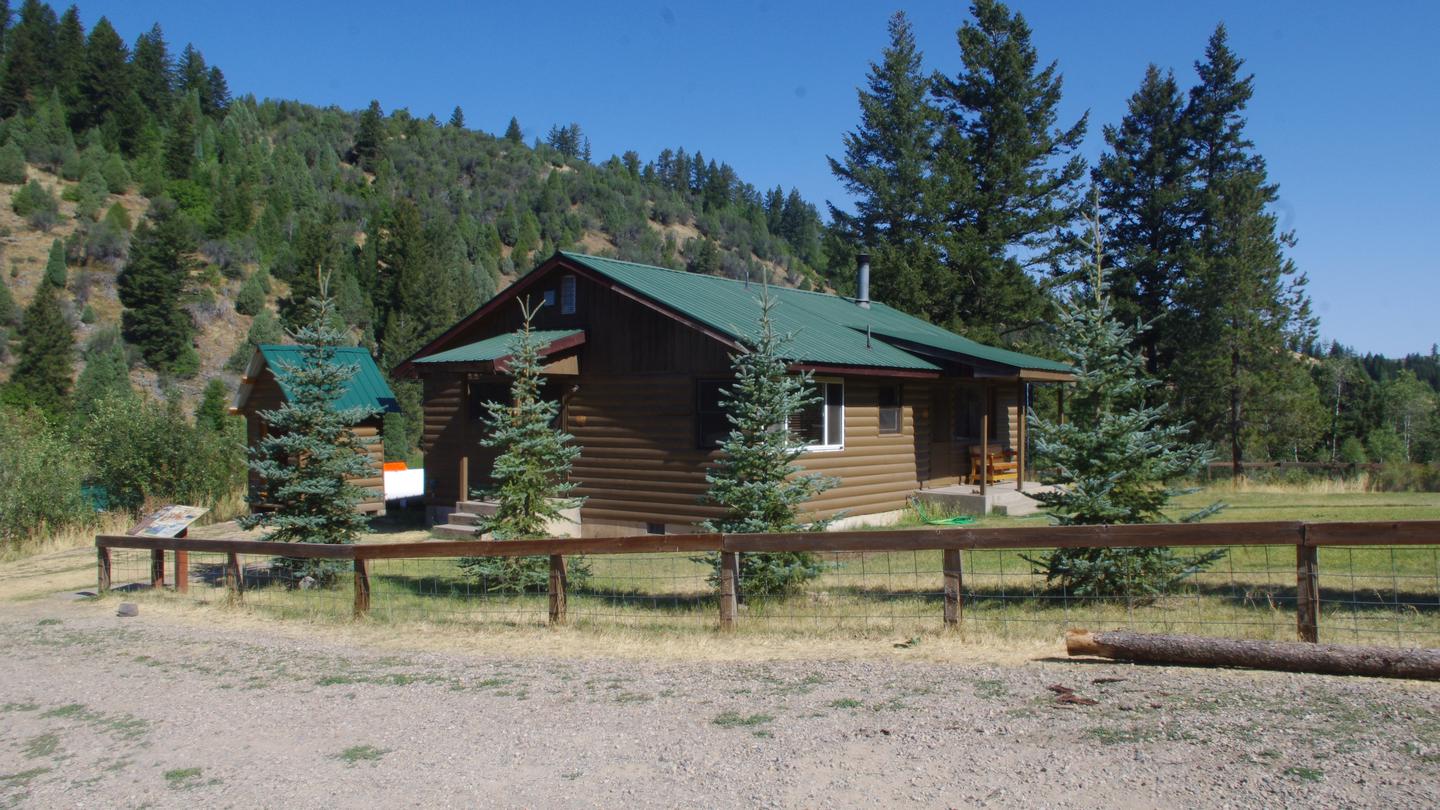
Soda Springs sits in the upper reaches of the Bear River country, and the fishing around it is more varied than most people expect. You have two reservoirs worth your time — Alexander Reservoir and Blackfoot Reservoir — both offering lake fishing that draws anglers looking for a full day on the water rather than a quick roadside cast. On the river side, Sage Hen Flats Campground, Diamond Creek Guard Station, and Eight Mile Guard Station all put you on moving water, and Clear Creek Guard Station adds another lake option deeper in the backcountry. The mix of lake and river fishing means you can adjust your plans based on conditions, season, or how far you want to drive a dirt road. This is southeastern Idaho, so expect high-desert terrain, afternoon wind on open water, and shoulder seasons that reward people who show up in May or September when crowds are thin. None of these spots require a boat to fish productively, though one on the reservoirs helps. If you are driving from outside the region, Soda Springs itself is a practical base — fuel, groceries, and a short drive to most of these access points.
Frequently asked questions
What species can I expect to catch around Soda Springs?
The reservoirs in this area — Alexander and Blackfoot — typically hold warm and cool-water species including trout, perch, and bass depending on the season and water conditions. The river fishing spots like Diamond Creek and Eight Mile lean toward trout. Check current Idaho Fish and Game stocking reports before your trip, since stocking schedules shift year to year and affect what you will realistically encounter.
When is the best time of year to fish here?
Late spring through early fall is the primary window, with May through June and again in September being particularly productive on both the reservoirs and moving water. Summer midday heat pushes fish deeper on the reservoirs, so early morning and evening hours are worth prioritizing from July onward. Ice-off timing on Alexander and Blackfoot varies by year, so confirm conditions before an early-season trip.
Do I need a boat to fish Alexander Reservoir or Blackfoot Reservoir?
No, both reservoirs have bank-fishing access, and plenty of anglers do well without a boat. That said, a small craft — even a kayak or float tube — opens up more water and lets you work structure that bank anglers cannot reach. Blackfoot Reservoir is large enough that a boat makes a meaningful difference if you are targeting specific areas.
What gear should I bring for the river fishing spots like Diamond Creek and Eight Mile?
A light to medium spinning setup or a 4-to-6 weight fly rod covers most situations on these smaller moving-water locations. Bring a selection of small spinners, soft plastics, and dry flies or nymphs if you fly fish. Waders are useful but not always necessary depending on water levels — sandals or wet wading works in late summer when flows drop.
Are the guard station fishing spots like Clear Creek and Diamond Creek easy to access?
These are backcountry access points managed by the Forest Service, so expect unpaved roads that may require a high-clearance vehicle, especially early in the season or after wet weather. Call the Caribou-Targhee National Forest office ahead of your trip to confirm road conditions and whether any seasonal closures are in effect. The trade-off for the rougher access is noticeably less fishing pressure than the main reservoirs.
Keep exploring — more waters worth the drive
Eight Mile Guard Station
~24 min drive
A worthwhile stop near Idaho.
Pebble Guard Station
~52 min drive
A worthwhile stop near Idaho.
St. Charles Campground
~1h 12m drive
A worthwhile stop near Idaho.
Portneuf River: Lava Hot Springs Access
~46 min drive
Easy
Emigration Campground
~42 min drive
A worthwhile stop near Idaho.
Maple Grove Campground
~56 min drive
A worthwhile stop near Idaho.
NORTH FORK CAMPGROUND - St. CHARLES CANYON
~1h 14m drive
A worthwhile stop near Idaho.
Big Springs - Caribou
~52 min drive
A worthwhile stop near Idaho.
Alpine North Loop
~1h 9m drive
A worthwhile stop near Wyoming.
Porcupine
~1h 15m drive
A worthwhile stop near Idaho.
Allred Flats Group Picnic Site
~55 min drive
A worthwhile stop near Wyoming.
Calamity
~1h 15m drive
A worthwhile stop near Idaho.