Idaho · Fishing
Fishing in Idaho
Idaho has more than 3,000 miles of rivers and thousands of lakes spread across terrain that ranges from desert canyon country near Lewiston to high alpine basins above Leadore, and the 379 fishing listings on Roamze reflect that range.
200 spots9 townsUpdated dailyFree to access
View on mapFishing · 200 spots
Idaho has more than 3,000 miles of rivers and thousands of lakes spread across terrain that ranges from desert canyon country near Lewiston to high alpine basins above Leadore, and the 379 fishing listings on Roamze reflect that range. You can pull rainbow trout and cutthroat trout from the Clearwater River at the Orofino access at 1,020 feet, work a remote river stretch from a base like the Yellowjacket Guard Station near Challis or the Atlanta Cabin outside Atlanta, or spend a week moving between lake fisheries like Priest Lake near Coolin, Blackfoot Reservoir near Firth, and the smaller alpine options like Elizabeth Lake and Quad Lake near Riggins. River fishing dominates the listing count, with access points scattered along drainages near Wallace, Garden Valley, Cascade, and Kooskia, but there is plenty of still-water fishing too, from the Condie Reservoir near Preston in the southeast to Hawkins Reservoir Campground near Arimo. A handful of listings like Johnson Bar Group Site near Kooskia are tagged for surf fishing on big moving water, which in Idaho typically means fishing fast shoreline current on rivers like the Selway or Lochsa. Whatever you are after, the variety here rewards people who do a little homework before they go.
Frequently asked questions
What species can I expect to catch in Idaho's rivers and lakes?
The Clearwater River near Orofino is documented for rainbow trout and cutthroat trout, and those two species show up across many of Idaho's river listings. Still-water sites like Blackfoot Reservoir, Priest Lake, and the smaller lakes near Kooskia and Leadore tend to hold a broader mix depending on elevation and stocking history. Check Idaho Fish and Game's current regulations booklet for species-specific rules before you go, since some waters have catch-and-release or selective gear requirements.
Do I need a special license or permit to fish in Idaho?
All anglers 14 and older need a valid Idaho fishing license, and certain species like steelhead and salmon require an additional tag. Some waters on federal land, including sites managed by the Forest Service or BLM near Wallace, Challis, and Kooskia, may have additional access rules or fire restrictions that affect camping at the same site. Buy your license through Idaho Fish and Game before you leave home so you are not scrambling at the trailhead.
When is the best time of year to fish in Idaho?
Late spring through early fall covers the widest range of accessible water, but the timing shifts significantly by elevation and water type. River access near lower-elevation sites like the Clearwater at Orofino or Halverson Bar near Melba can be productive earlier in the season, while higher lake basins near Leadore or the North Three Links Lakes near Kooskia may not be ice-free until late June. Fall is worth considering for river fishing when flows drop and water temperatures cool.
What gear setup makes sense for Idaho river fishing?
A 9-foot, 5-weight fly rod covers most of the river trout fishing at sites like Swinging Bridge near Cascade, Bayhorse near Challis, or the Clearwater at Orofino, though a 6-weight gives you more flexibility on bigger water. If you are spin fishing, a light to medium rod with 6- to 10-pound monofilament handles most situations. Waders are worth bringing for any river access point since many of the better holding water requires you to get in.
Are the cabin and guard station listings actually fishable, or are they just places to sleep?
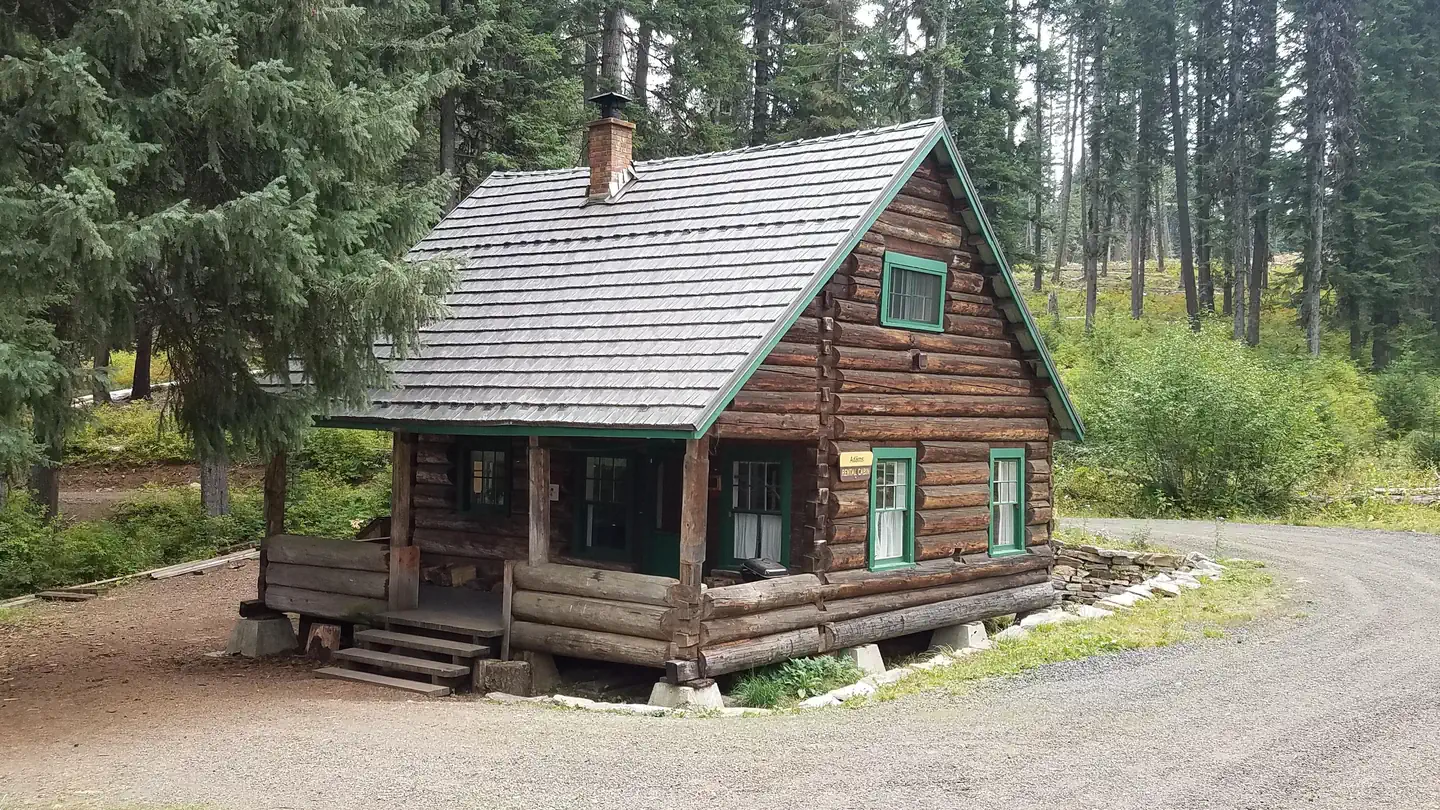
Most of the cabin and guard station listings, like Yellowjacket Guard Station near Challis, Atlanta Cabin near Atlanta, and Magee Rangers Cabin near Wallace, are positioned on or very close to fishable river water, which is why they are tagged as river fishing access points. That said, the quality of the fishing depends on the season, flows, and how much pressure the water sees. Read each listing carefully for what water is nearby and plan to scout when you arrive.