Florida · Fishing
Fishing in Umatilla, Florida
Umatilla sits in the middle of Lake County, Florida, surrounded by a cluster of freshwater lakes and forest waterways that make it a practical base for anglers who want variety without driving far.
3 spotsUpdated dailyFree to access
View on mapFishing · 3 spots
Featured spots
All spots · 3 spots
No additional spots match this filter.
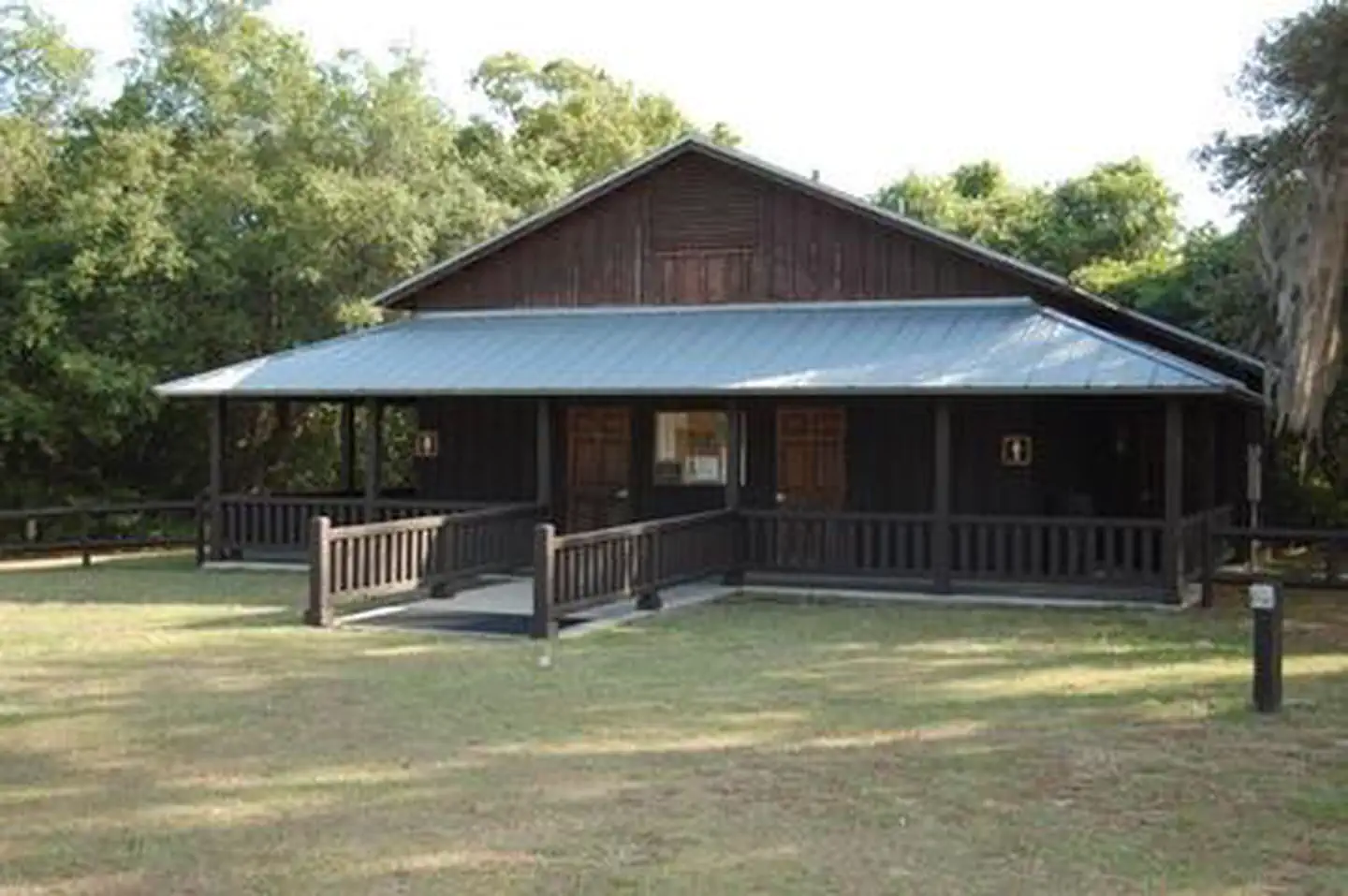
Umatilla sits in the middle of Lake County, Florida, surrounded by a cluster of freshwater lakes and forest waterways that make it a practical base for anglers who want variety without driving far. The fishing here centers on lake and river fishing across three main spots: Doe Lake Group Site in the Ocala National Forest, which offers river fishing access in a more remote setting, and two larger lakes — Crescent Lake and Lake Yale — that hold the warm-water species Florida anglers expect. Lake Yale in particular is a well-known local fishery, and Crescent Lake draws anglers looking for a quieter experience than the bigger chain-of-lakes to the south. The area is primarily warm-water fishing: think largemouth bass, bluegill, shellcracker, and catfish, with the shallow, weedy lake margins that Florida bass are known for. Umatilla itself is a small town, so come with your gear organized and your cooler stocked — this isn't a destination with a tackle shop on every corner. That said, the access points are real, the fishing pressure is moderate compared to more tourist-heavy parts of Central Florida, and the scenery at Doe Lake especially rewards anglers who don't mind a bit of a drive into the forest.
Frequently asked questions
What kinds of fish can I expect to catch around Umatilla?
The lakes and waterways here are warm-water fisheries, so largemouth bass, bluegill, redear sunfish (shellcracker), and catfish are the most common targets. Lake Yale and Crescent Lake both have the shallow, vegetated structure that Florida bass favor, and panfish are abundant enough to keep lighter-tackle anglers busy throughout the day.
What is the difference between fishing Doe Lake, Crescent Lake, and Lake Yale?
Doe Lake Group Site is inside the Ocala National Forest and offers a more remote river fishing experience with a quieter, forested atmosphere — it requires more planning to access and is better suited to anglers who want to get away from crowds. Crescent Lake and Lake Yale are more conventional lake fisheries with easier public access, and Lake Yale in particular has a reputation among local anglers as a reliable bass lake.
Do I need a Florida fishing license to fish here?
Yes. Anyone 16 or older needs a valid Florida freshwater fishing license to fish any of these waters. Licenses are available through the Florida Fish and Wildlife Conservation Commission website or at local retailers. If you're fishing at Doe Lake inside the Ocala National Forest, check whether a Recreation.gov reservation or day-use fee applies to the group site access point.
What time of day is best for fishing in this area?
Early morning and late afternoon are consistently the most productive windows, especially for bass. Florida's midday heat — particularly from late spring through early fall — pushes fish into deeper water or heavy shade, so plan to be on the water by sunrise if you want the best action. Winter mornings can be slower until the water warms slightly, making late morning a better bet from December through February.
What gear should I bring for fishing around Umatilla?
For bass on Lake Yale and Crescent Lake, a medium to medium-heavy spinning or baitcasting setup with 10-17 lb fluorocarbon or monofilament covers most situations. Soft plastic worms, swimbaits, and topwater lures work well around the weed edges and lily pads common to both lakes. For panfish at any of the three spots, a light spinning rod with small jigs, live crickets, or worms is all you need. Bring polarized sunglasses — reading the shallow structure is half the game on Florida lakes.
Keep exploring — more waters worth the drive
Clearwater Lake Rec Area
~19 min drive
A worthwhile stop near Florida.
Alexander Springs Recreation Area
~21 min drive
A worthwhile stop near Florida.
Lake Yale
~7 min drive
A worthwhile stop near Florida.
St. Johns River - Lake Monroe Access
~48 min drive
Easy
Lake Dorr Cabin
~13 min drive
A worthwhile stop near Florida.
River Forest Group Site
~36 min drive
A worthwhile stop near Florida.
Crescent Lake
~7 min drive
A worthwhile stop near Florida.
Withlacoochee River - Dunnellon Access
~1h 16m drive
Easy
Juniper Springs Rec Area
~26 min drive
A worthwhile stop near Florida.
Doe Lake Group Site
~13 min drive
A worthwhile stop near Florida.
Lake Chloe
~16 min drive
A worthwhile stop near Florida.
Lake Shore Group Camp
~41 min drive
A worthwhile stop near Florida.