Colorado · Fishing
Fishing in Colorado
Colorado has 847 fishing spots listed on Roamze, and they span just about every type of water the state offers: high-country lakes tucked into the Rockies, front-range reservoirs within an hour of Denver, and river access points along some of the most productive drainages in the West.
847 spots9 townsUpdated dailyFree to access
View on mapFishing · 200 spots
Featured spots
 riverGold Medal
Fly fishing
Arkansas River - Bighorn Sheep Canyon
Cotopaxi, Colorado
brown trout, rainbow trout
 riverGold Medal
Fly fishing
Blue River - Silverthorne
Silverthorne, Colorado
rainbow trout, brown trout
 riverGold Medal
Fly fishing
Cheesman Canyon - South Platte River
Sedalia, Colorado
brown trout, rainbow trout
 riverWild Trout
Fly fishing
Cache la Poudre River - Poudre Canyon
Bellvue, Colorado
brown trout, rainbow trout
River fishing
Alpine Ranger Station
Colorado
All spots · 200 of 847 spots

Lake fishing
6 and 50 Reservoir
Mack, Colorado
 pond
pondLake fishing
Adams County Fishing Pond East
Denver, Colorado
Lake fishing
Albert Reservoir
Kremmling, Colorado
Lake fishing
Aldrich Lakes
Meeker, Colorado
Lake fishing
Aldrich Lakes
Meeker, Colorado
Lake fishing
Alexander Lake
Grand Mesa, Colorado
Lake fishing
Allens Lake
Altona, Colorado
Lake fishing
Alta Reservoir Number 3
Telluride, Colorado
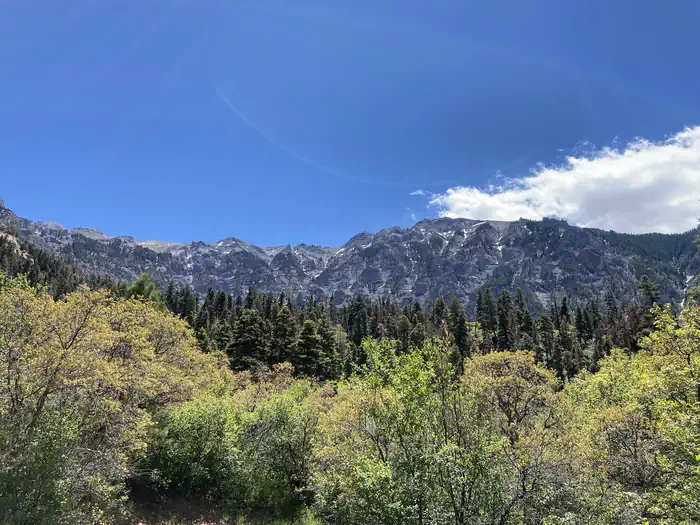
Lake fishing
Amphitheater
Colorado
Lake fishing
Anderson Reservoir Number 1
Mesa, Colorado
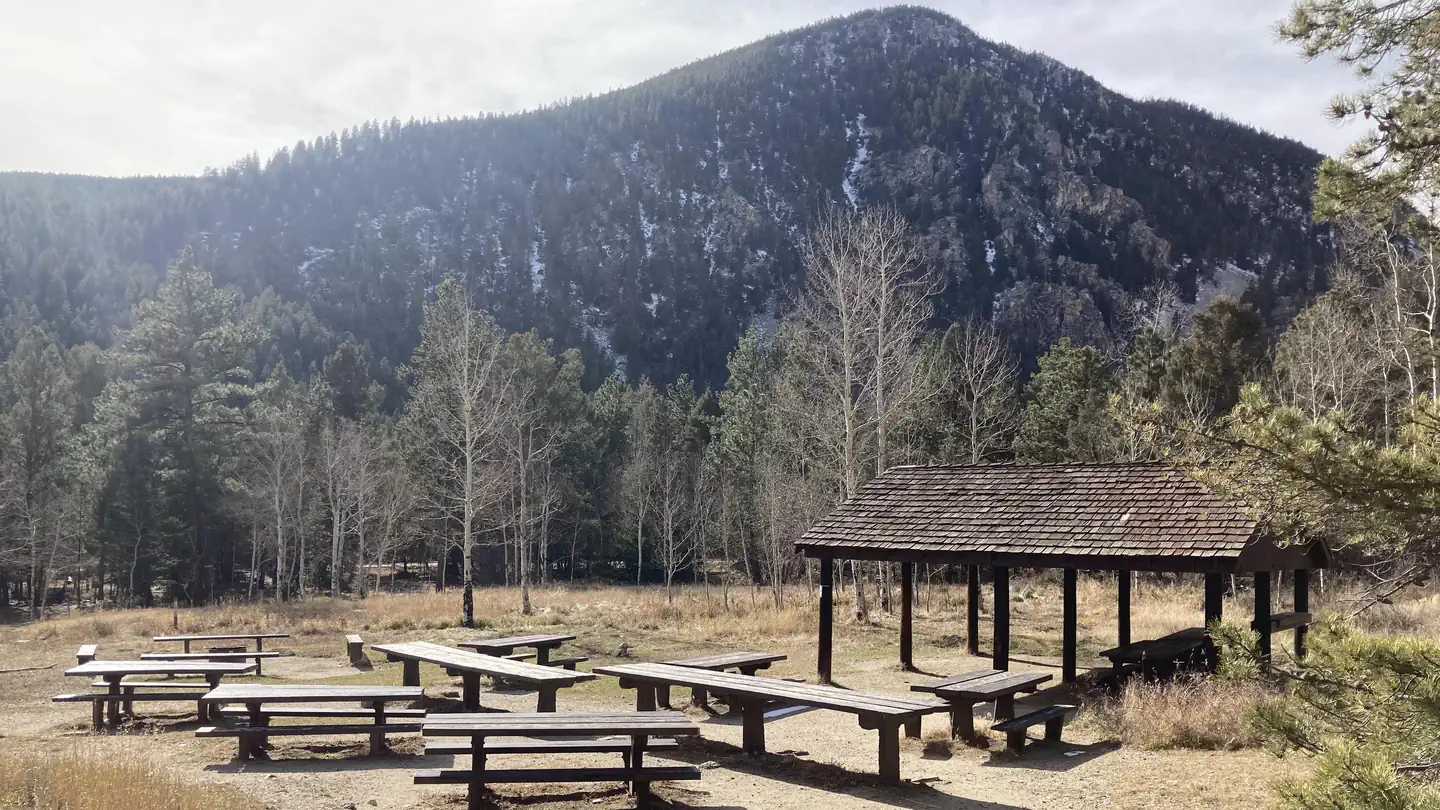
Lake fishing
Angel Of Shavano Group
Colorado
Lake fishing
Antero Reservoir
Hartsel, Colorado
lakeLake fishing
Anticline Lake
Pueblo, Colorado
Lake fishing
Antones
Colorado
Lake fishing
Antonito, CO
Colorado
Saltwater fishing
Arapaho National Recreation Area
Colorado
Lake fishing
Arapahoe County Water Authority Reservoir
Stonegate, Colorado
Lake fishing
Archuleta Lake
South Fork, Colorado
riverRiver fishing
Arkansas River #3b
Buena Vista, Colorado
Lake fishing
Arnold Flood Water Reservoir
Walsenburg, Colorado
Lake fishing
Arrowhead Reservoir
Greeley, Colorado
reservoirLake fishing
Arvada Reservoir
Arvada, Colorado
Lake fishing
Ashland Reservoir
Wheat Ridge, Colorado
Lake fishing
Ashponds Hayden Station
Hayden, Colorado
Colorado has 847 fishing spots listed on Roamze, and they span just about every type of water the state offers: high-country lakes tucked into the Rockies, front-range reservoirs within an hour of Denver, and river access points along some of the most productive drainages in the West. You'll find lake fishing near Allenspark at Copeland Lake, stillwater options near Leadville at Crystal Lake Fishing Site, and reservoir access near Alma at Columbia Reservoir — all sitting at elevations where summer temperatures stay cool enough to keep fish active well into August. The western slope has its own set of options, including Aldrich Lakes near Meeker and Purdy Mesa Reservoir near Whitewater. Down in the San Luis Valley, spots like Salazar Number 1 Reservoir near San Luis and Deadman Lakes near Crestone offer a completely different landscape — wide open, high desert basin, with water that fishes differently than anything on the Front Range or in the mountains. Whether you're after a half-day outing from Fort Collins at Harmony Reservoir or a longer backcountry push to reach Bison Lake near Gypsum, the variety here is genuine. Knowing which type of water fits your timing, gear, and skill level makes the difference between a productive day and a long drive home empty-handed.
Frequently asked questions
Do I need a Colorado fishing license, and are there any waters that require a separate stamp or permit?
Yes, a valid Colorado fishing license is required for anyone 16 and older at all waters listed on Roamze, including reservoirs, lakes, and river access points. Some waters on state wildlife areas or within national forests may have additional access requirements or day-use fees — check with Colorado Parks and Wildlife before your trip, especially for spots in managed areas like South Park Ranger District near Fairplay.
What time of year is fishing in Colorado actually good?
Ice-off on high-elevation lakes like Bison Lake near Gypsum or Columbia Reservoir near Alma typically runs late May into June depending on the winter snowpack. Summer fishing from late June through August is the most accessible window for mountain lakes. Front-range and lower-elevation reservoirs like Harmony Reservoir near Fort Collins and Harris Reservoir near Rifle fish well earlier in spring and again in fall when water temperatures drop.
What time of day should I plan to be on the water?
Early morning and late afternoon are consistently the most productive windows at Colorado lakes and reservoirs. Midday sun pushes fish deeper, especially in summer at high-altitude lakes where the water is clear and shallow. At lower-elevation reservoirs like Purdy Mesa near Whitewater, evening fishing in late summer can be particularly effective as surface temperatures cool.
What gear setup makes sense for Colorado lake and reservoir fishing?
A medium-action spinning rod in the 6- to 7-foot range handles most situations at Colorado stillwaters. Inline spinners, small spoons, and PowerBait-style baits cover the basics for stocked waters. At higher-elevation lakes where fish are warier, lighter line in the 4- to 6-pound range and smaller presentations tend to outperform heavier setups. If you're fishing river access points like Crystal Lake Fishing Site near Leadville or Weller Lake near Aspen, a fly rod is worth bringing.
Are these fishing spots accessible without a boat?
The majority of listings in Colorado's Roamze database are bank-accessible, including spots like Copeland Lake near Allenspark, Curtain Ponds near Wheeler Junction, and Mountain View Fishing Site near Twin Lakes. Big Creek Lake near Cowdrey is listed with boat access, which suggests a launch is available there. For backcountry lakes that require a hike, trail conditions and distances vary — check current access information with the managing agency before you go.
Keep exploring — more waters worth the drive
Roberts Cabin
~17 min drive
A worthwhile stop near Colorado.
Timberline Campground
~34 min drive
A worthwhile stop near Colorado.
Dillon Reservoir - Frisco Bay
~32 min drive
Easy
Blue River - Silverthorne
~33 min drive
Hard
Kenosha Pass Campground
~34 min drive
A worthwhile stop near Colorado.
May Queen
~30 min drive
A worthwhile stop near Colorado.
Father Dyer
~23 min drive
A worthwhile stop near Colorado.
Crystal Lake Fishing Site
~28 min drive
A worthwhile stop near Colorado.
Printer Boy
~23 min drive
A worthwhile stop near Colorado.
Fancy Creek
~33 min drive
A worthwhile stop near Colorado.
Baby Doe
~24 min drive
A worthwhile stop near Colorado.
Missouri Lakes
~33 min drive
A worthwhile stop near Colorado.