Colorado · Fishing
Fishing in Estes Park, Colorado
Estes Park sits at the edge of Rocky Mountain National Park, and most of the fishing around here means hiking.
10 spotsUpdated dailyFree to access
View on mapFishing · 10 spots
Featured spots
River fishing
Rocky Mountain National Park Aspenglen Campground
Colorado
River fishing
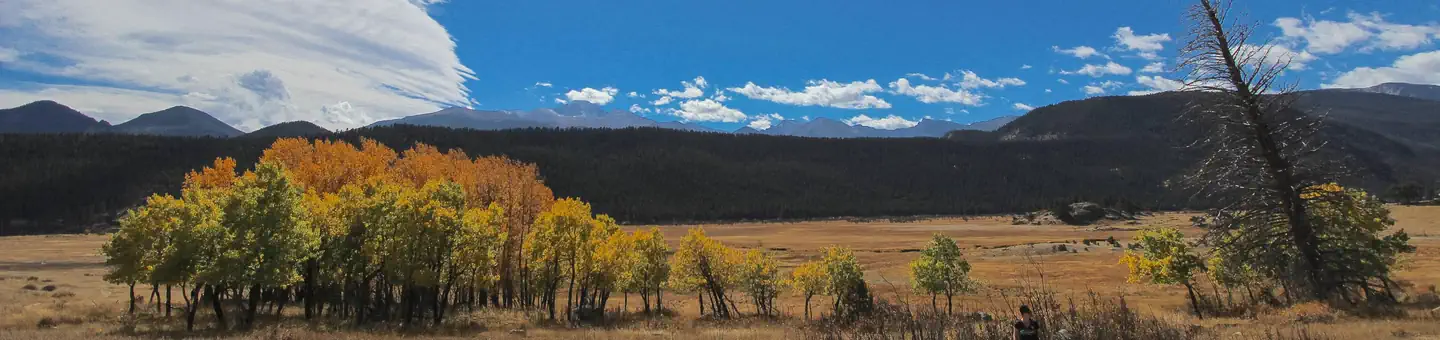
Rocky Mountain National Park Glacier Basin Campground
Colorado
River fishing
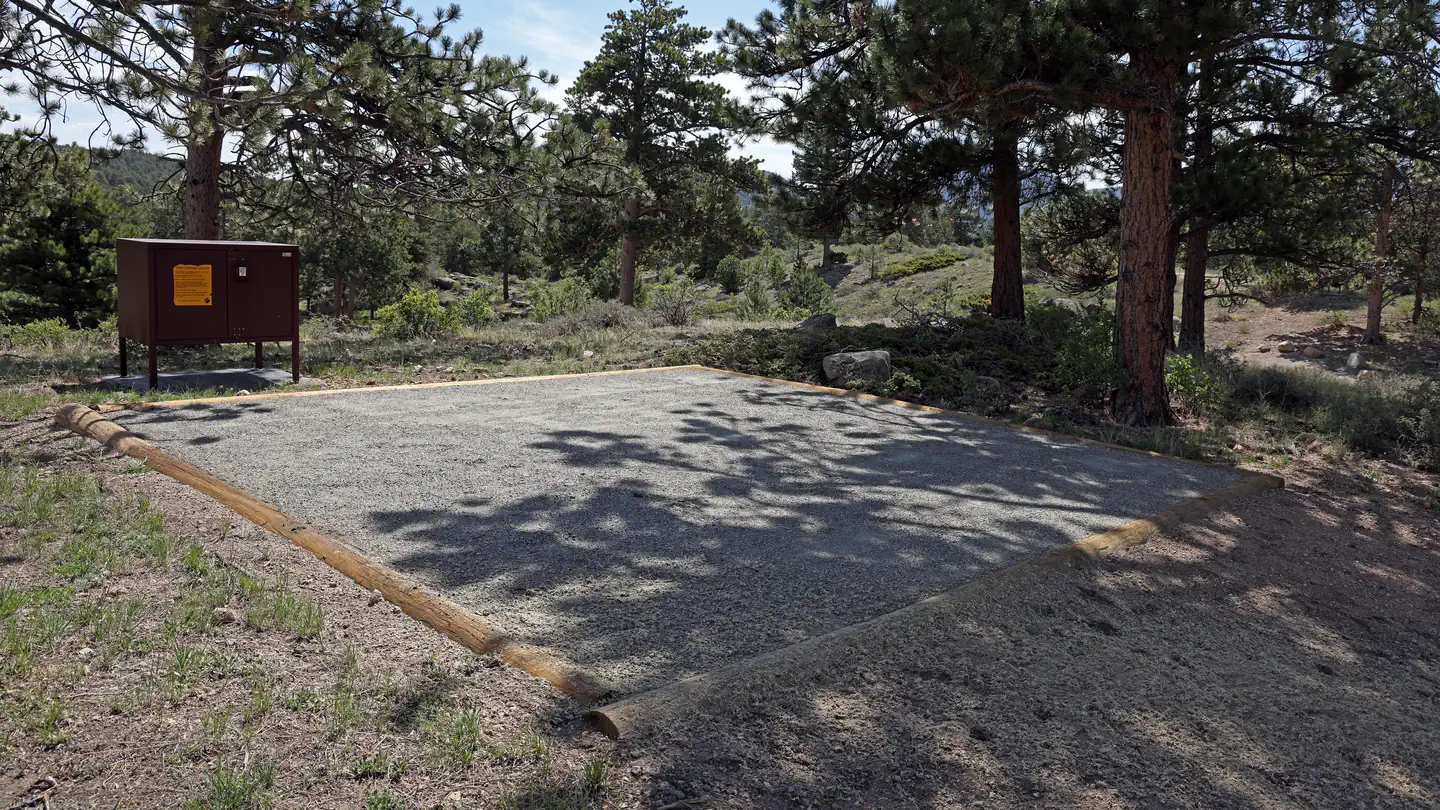
Rocky Mountain National Park Moraine Park Campground
Colorado
Lake fishing
Azure Lake
Estes Park, Colorado
 lake
lakeLake fishing
Bear Lake
Estes Park, Colorado
All spots · 10 spots

Estes Park sits at the edge of Rocky Mountain National Park, and most of the fishing around here means hiking. The lakes on this list — Lawn Lake, Solitude Lake, Ypsilon Lake, Poudre Lake, Bear Lake, Azure Lake, and Mirror Lake — are backcountry and high-alpine waters that require a permit to access and some legwork to reach. River fishing is also in the mix, with opportunities near the Glacier Basin, Aspenglen, and Moraine Park campground areas, all of which put you close to park waterways. None of these are drive-up fisheries. That's not a complaint — it keeps pressure low and the experience worth it — but it does mean planning matters more here than at a typical front-range reservoir. Colorado Parks and Wildlife regulations apply inside Rocky Mountain National Park alongside National Park Service rules, and the two don't always mirror each other. Artificial lures only and catch-and-release are common restrictions on park waters, so checking current regulations before you pack your tackle is not optional. If you're coming from Estes Park town, the Fall River and Big Thompson River also offer accessible wade fishing closer to the gateway area, though those waters are not represented in this listing set.
Frequently asked questions
Do I need a fishing license to fish in Rocky Mountain National Park near Estes Park?
Yes. A valid Colorado fishing license is required for anyone 16 and older, even inside Rocky Mountain National Park. You'll also need a current park entrance pass or America the Beautiful pass to access trailheads leading to waters like Lawn Lake, Ypsilon Lake, and Bear Lake.
What are the regulations on the lakes listed here — can I use bait and keep fish?
Many waters inside Rocky Mountain National Park are restricted to artificial flies and lures only, and some are catch-and-release. Regulations can vary by specific water body and change year to year, so check the Colorado Parks and Wildlife regulation booklet and the NPS Rocky Mountain fishing regulations page before your trip. Don't assume that what applied last season still applies now.
How hard is it to reach lakes like Solitude Lake, Ypsilon Lake, or Azure Lake?
These are genuine backcountry hikes, not short walks. Expect several miles round-trip with significant elevation gain on most routes. Ypsilon Lake, for example, sits well above the valley floor and involves a sustained climb. Start early in the morning to avoid afternoon thunderstorms, which are common in summer at elevation.
What species can I expect to catch in these waters?
The high-alpine lakes in and around Rocky Mountain National Park typically hold cutthroat trout, and some waters also have brook trout. The river fishing near Glacier Basin, Aspenglen, and Moraine Park campground areas is likely to produce similar species in moving water. None of the listings in this set are designated gold medal or wild trout waters, so manage expectations accordingly.
What time of year is fishing actually viable here?
Most of the backcountry lakes are inaccessible until snowmelt clears the trails, which typically means late June through early July depending on the year. The fishing window runs through September, with late summer and early fall often being productive as water temperatures stabilize. Ice can return to high-alpine lakes by October, effectively closing the season.
Keep exploring — more waters worth the drive
Rocky Mountain National Park Aspenglen Campground
~7 min drive
A worthwhile stop near Colorado.
Willow Creek Group
~39 min drive
A worthwhile stop near Colorado.
Arapaho National Recreation Area
~33 min drive
A worthwhile stop near Colorado.
Cache la Poudre River - Poudre Canyon
~41 min drive
Moderate
Rocky Mountain National Park Moraine Park Campground
~7 min drive
A worthwhile stop near Colorado.
Ypsilon Lake
~6 min drive
A worthwhile stop near Colorado.
Rocky Mountain National Park Glacier Basin Campground
~10 min drive
A worthwhile stop near Colorado.
Lawn Lake
~9 min drive
A worthwhile stop near Colorado.
Bear Lake
~9 min drive
Bear Lake is a lake fishing spot in Estes Park, Colorado.
Azure Lake
~10 min drive
A worthwhile stop near Colorado.
Snowdrift Lake
~12 min drive
A worthwhile stop near Colorado.
Timber Lake
~12 min drive
A worthwhile stop near Colorado.