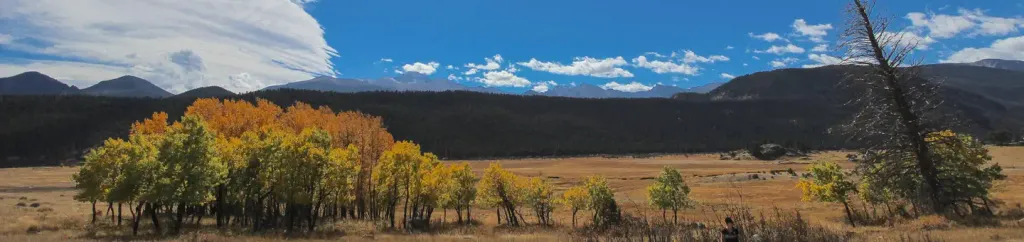
 Photo: Recreation.gov (RIDB) / public domain
Colorado · Camping
Camping in Estes Park, Colorado
Estes Park sits at the eastern gateway to Rocky Mountain National Park, and nearly all the camping within reach of town is inside the park itself.
3 spotsUpdated weeklyFree to access
View on mapCamping · 3 spots
Featured spots
All spots · 3 spots
No additional spots match this filter.
Estes Park sits at the eastern gateway to Rocky Mountain National Park, and nearly all the camping within reach of town is inside the park itself. The three campgrounds listed here — Moraine Park, Glacier Basin, and Aspenglen — each sit at elevations above 8,000 feet, which shapes everything from your sleep quality to your gear list. Moraine Park is the largest of the three and stays open the longest into the season, making it the most flexible option if your dates are uncertain. Glacier Basin is popular with families and groups partly because it has a shuttle stop that connects directly to trailheads, cutting down on the parking headaches that plague the park in summer. Aspenglen is the smallest and closest to the Fall River entrance, which gives it a quieter feel and faster access to the northwest corner of the park. All three campgrounds require reservations through Recreation.gov during the busy season, and sites fill weeks or months in advance for summer weekends. If you're planning a July or August trip, treat the reservation like a flight booking — lock it in early or build a backup plan.
Frequently asked questions
When do I need a reservation, and how far in advance should I book?
All three campgrounds — Moraine Park, Glacier Basin, and Aspenglen — require reservations through Recreation.gov during peak season, which runs roughly late May through early September. For summer weekends, sites at Glacier Basin and Moraine Park routinely book out within minutes of the booking window opening, which is typically six months out. If you're flexible on dates, weeknights in June or after Labor Day are noticeably easier to secure.
What gear do I need that I might not think to bring?
All three campgrounds are above 8,000 feet, so nighttime temperatures can drop into the 30s even in July — a sleeping bag rated to at least 20°F is worth having. Afternoon thunderstorms are common in summer, so a waterproof rain layer and a tarp or footprint for your tent floor matter more here than at lower-elevation sites. Bear boxes are provided at all three campgrounds, so a hard-sided cooler is not required, but you are required to use the provided storage for all food and scented items.
Which campground is best if I want to hike without driving to a trailhead every morning?
Glacier Basin is the strongest choice for hike-in access because it has a direct connection to the park's free shuttle system, which runs to popular trailheads including Bear Lake. Moraine Park also has shuttle access and sits near the Moraine Park area trails. Aspenglen is better positioned for trails in the Fall River and Horseshoe Park areas but has less shuttle connectivity.
Can I have a campfire at these campgrounds?
Fire grates are available at Moraine Park, Glacier Basin, and Aspenglen, but fires are subject to seasonal fire restrictions that Rocky Mountain National Park can implement on short notice during dry conditions. Check the park's current conditions page before you arrive. Bringing a camp stove as your primary cooking method is the reliable approach, since restrictions can go into effect mid-trip.
Is there a good time of year to camp here outside of the summer rush?
Moraine Park Campground operates year-round and is the only one of the three open in winter, making it the go-to option for shoulder and off-season trips. Fall camping in September and early October offers cooler temperatures, elk rut activity in the Moraine Park meadow, and far fewer people than summer. Snow is possible any month at these elevations, so check forecasts carefully and make sure your tent is rated for three-season or winter use if you're going after mid-October.
Keep exploring — more campsites worth the drive
Rocky Mountain National Park Glacier Basin Campground
~4 min drive
A worthwhile stop near Colorado.
Rocky Mountain National Park Moraine Park Campground
~1 min drive
A worthwhile stop near Colorado.
Moraine Park Campground
~1 min drive
A worthwhile stop nearby.
YMCA of the Rockies
~3 min drive
A worthwhile stop nearby.
Elk Meadow Lodge & RV Resort
~4 min drive
A worthwhile stop nearby.
Glacier Basin Campground
~4 min drive
A worthwhile stop nearby.
Aspenglen Campground
~4 min drive
A worthwhile stop nearby.
Rocky Mountain National Park Aspenglen Campground
~4 min drive
A worthwhile stop near Colorado.
Cub Creek Campsite
~4 min drive
A worthwhile stop nearby.
East Portal Campground
~5 min drive
A worthwhile stop nearby.
Ute Meadow
~5 min drive
A worthwhile stop nearby.
Spruce Lake RV Park
~5 min drive
A worthwhile stop nearby.