Arizona · Fishing
Fishing in Grand Canyon, Arizona
Fishing at Grand Canyon sits in an unusual category: you're not here for a classic trout stream or a well-stocked reservoir, but for small, remote water sources scattered across the canyon rim and backcountry.
3 spotsUpdated dailyFree to access
View on mapFishing · 3 spots
Featured spots
All spots · 3 spots
No additional spots match this filter.
Fishing at Grand Canyon sits in an unusual category: you're not here for a classic trout stream or a well-stocked reservoir, but for small, remote water sources scattered across the canyon rim and backcountry. The three listed fishing spots — Lower Basin Tank, National Tank, and El Tovar Hotel — are tank-style lake fisheries, meaning stock ponds or small impoundments rather than river or stream fishing. That context matters before you pack your gear. Access to backcountry tanks like Lower Basin Tank and National Tank typically requires a permit and real hiking commitment; these aren't roadside pull-offs. El Tovar Hotel sits on the South Rim and is the most accessible of the three, though fishing there is a niche activity compared to the sightseeing draw of the location. The Grand Canyon is managed by the National Park Service, and Arizona fishing regulations apply, which means you'll need a valid Arizona fishing license regardless of where inside the park you wet a line. Given the small, still-water nature of these fisheries, expectations should be set accordingly — this is quiet, exploratory fishing, not a destination trip built around high catch rates.
Frequently asked questions
Do I need a fishing license to fish at Grand Canyon?
Yes. A valid Arizona fishing license is required to fish anywhere within Grand Canyon National Park, including Lower Basin Tank, National Tank, and the El Tovar Hotel area. You can purchase one through the Arizona Game and Fish Department website or at licensed retailers before your trip.
What kind of water are Lower Basin Tank and National Tank?
Both are listed as lake fishing spots, which in this context means small stock tanks or impoundments rather than natural lakes or river access. These are backcountry water sources, so expect limited facilities and a hike to reach them. Check current NPS conditions before heading out, as water levels in tanks can vary significantly by season.
How do I access the backcountry fishing tanks?
Backcountry access within Grand Canyon National Park generally requires a backcountry permit from the NPS Backcountry Information Center. Plan ahead — permits for popular seasons book up well in advance. Trails to remote tanks involve significant elevation change and should not be underestimated, especially in summer heat.
What is the best time of year to fish at Grand Canyon?
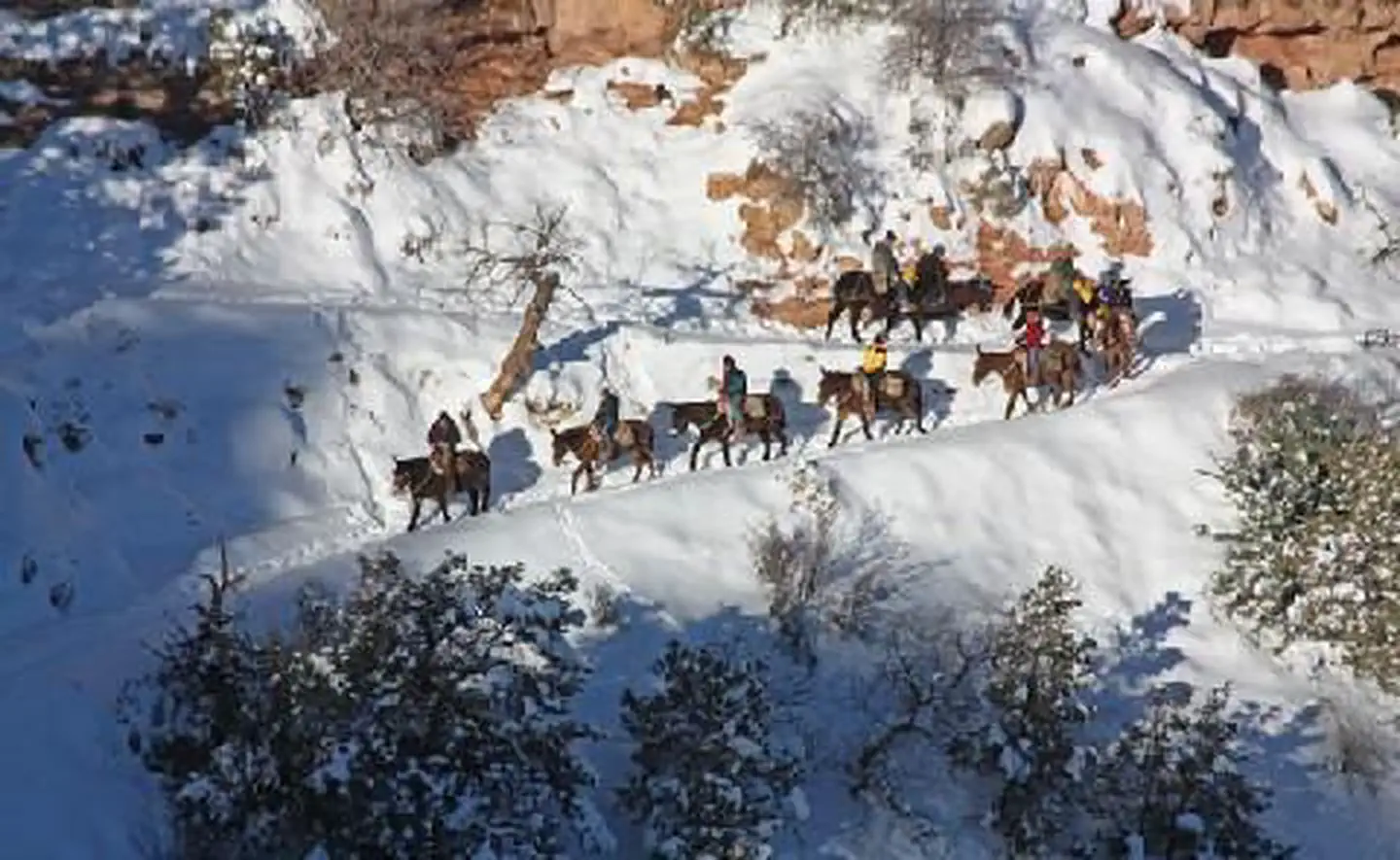
Spring and fall are the most practical seasons. Summer temperatures on the South Rim and especially in the canyon interior can be extreme and dangerous for extended hiking to backcountry spots. Winter access may be limited by snow and trail conditions on the rim.
Is this a good destination for beginner anglers?
The El Tovar Hotel location on the South Rim is the most accessible option and may suit casual or beginner anglers better than the backcountry tanks. Lower Basin Tank and National Tank require solid hiking ability and backcountry preparedness, so they're better suited to anglers who are also comfortable with remote desert travel.
Keep exploring — more waters worth the drive
El Tovar Hotel
~16 min drive
A worthwhile stop near Arizona.
Tusayan Ranger District
~15 min drive
A worthwhile stop near Arizona.
Kaibab Lake Sites And Group Areas
~1h 24m drive
A worthwhile stop near Arizona.
Russell Tank
~41 min drive
A worthwhile stop near Arizona.
Number Eleven Tank
~42 min drive
A worthwhile stop near Arizona.
Lower Basin Tank
~50 min drive
A worthwhile stop near Arizona.
Howard Lake
~58 min drive
A worthwhile stop near Arizona.
Howard Lake
~58 min drive
A worthwhile stop near Arizona.
Smoot Lake
~1h 3m drive
A worthwhile stop near Arizona.
National Tank
~1h 3m drive
A worthwhile stop near Arizona.
Rodgers Tank
~1h 3m drive
A worthwhile stop near Arizona.
Red Lake Tank
~1h 7m drive
A worthwhile stop near Arizona.