Arizona · Fishing
Fishing in Fort McDowell, Arizona
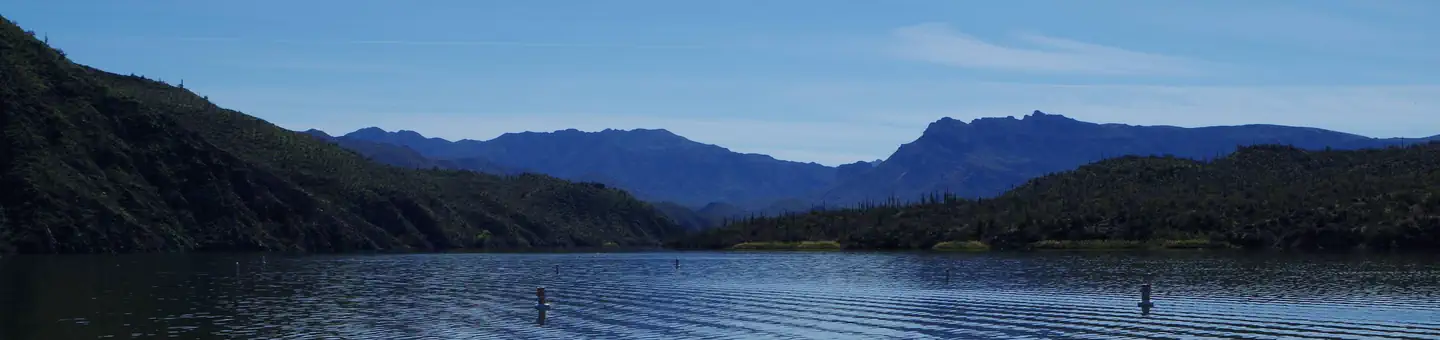
Fort McDowell sits at the edge of the Sonoran Desert where the Salt River chain of lakes gives flatland anglers surprisingly productive water within an hour of Phoenix.
4 spotsUpdated dailyFree to access
View on mapFishing · 4 spots
Featured spots
All spots · 4 spots
No additional spots match this filter.
Fort McDowell sits at the edge of the Sonoran Desert where the Salt River chain of lakes gives flatland anglers surprisingly productive water within an hour of Phoenix. The fishing here centers on four spots: Saguaro Lake and Canyon Lake, both reservoir impoundments on the Salt River, Palo Verde, and the river-access camping at Burnt Corral Campground, which puts you right on the water for early-morning casts before the heat sets in. Saguaro and Canyon lakes hold largemouth bass, catfish, crappie, and carp year-round, with bass fishing picking up noticeably in spring when water temperatures climb into the mid-60s. Canyon Lake is the smaller and less motorized of the two, which matters if you're fishing from a kayak or small craft. Burnt Corral gives you a river-fishing experience that feels different from the open-lake sessions — tighter water, more shade, and better odds of finding catfish holding in slower current. None of these are remote wilderness fisheries, so expect company on weekends, especially March through May. Weekday mornings are the practical answer if you want elbow room and cooler temperatures. Arizona fishing licenses are required for anyone 10 and older, and the Salt River lakes fall under standard statewide regulations.
Frequently asked questions
What fish species can I realistically expect to catch at Saguaro Lake and Canyon Lake?
Both lakes hold largemouth bass, channel catfish, black crappie, carp, and sunfish. Striped bass are also present in Saguaro Lake and can run large. Neither lake is designated a gold-medal or wild-trout water, so trout are not a reliable target outside of any seasonal stocking periods managed by Arizona Game and Fish.
What is the best time of year to fish near Fort McDowell?
Spring (March through May) is the most productive window for bass, as warming water triggers pre-spawn and spawn activity in the shallows. Fall (October through November) is a close second. Summer fishing is possible but the desert heat is punishing by mid-morning, so plan to be on the water before 7 a.m. or after 5 p.m. if you go in July or August.
Is Burnt Corral Campground a good base for a fishing trip?
Yes, if you want direct river access and a more relaxed pace than the main lake ramps. Burnt Corral sits along the Salt River arm above Canyon Lake and is managed by Tonto National Forest, so you will need a Tonto Pass for day use or camping. It works well for anglers targeting catfish from the bank or fishing from a small inflatable.
Do I need a boat, or is bank fishing practical at these spots?
Bank fishing is practical at all four locations, though your access points vary. Canyon Lake and Saguaro Lake both have designated fishing areas reachable without a boat. Burnt Corral is specifically suited to bank and wade fishing along the river. A kayak or small motorized boat opens up significantly more water on the larger lakes, particularly for bass.
What gear setup makes sense for a first visit to these lakes?
A medium-action spinning rod in the 6- to 7-foot range covers most situations across bass, crappie, and catfish. For bass, plastic worms and swimbaits in natural colors work consistently in these clear-to-slightly-turbid desert reservoirs. If you are targeting catfish at Burnt Corral or the lake edges, a heavier bottom rig with cut bait or chicken liver on a 15- to 20-pound line is the straightforward approach.
Keep exploring — more waters worth the drive
Burnt Corral Campground
~20 min drive
A worthwhile stop near Arizona.
Frazier Group Campground
~29 min drive
A worthwhile stop near Arizona.
Cholla Campground
~27 min drive
A worthwhile stop near Arizona.
Cave Creek Group Site
~1h 7m drive
A worthwhile stop near Arizona.
Schoolhouse Campground
~39 min drive
A worthwhile stop near Arizona.
Windy Hill Campground
~33 min drive
A worthwhile stop near Arizona.
Canyon Lake
~5 min drive
A worthwhile stop near Arizona.
Palo Verde
~5 min drive
A worthwhile stop near Arizona.
Saguaro Lake
~13 min drive
A worthwhile stop near Arizona.
Fountain Lake
~32 min drive
A worthwhile stop near Arizona.
Indian Point
~38 min drive
A worthwhile stop near Arizona.
Bartlett Reservoir
~41 min drive
A worthwhile stop near Arizona.