National Park of American Samoa
AS
Park Alerts (1)
About National Park of American Samoa
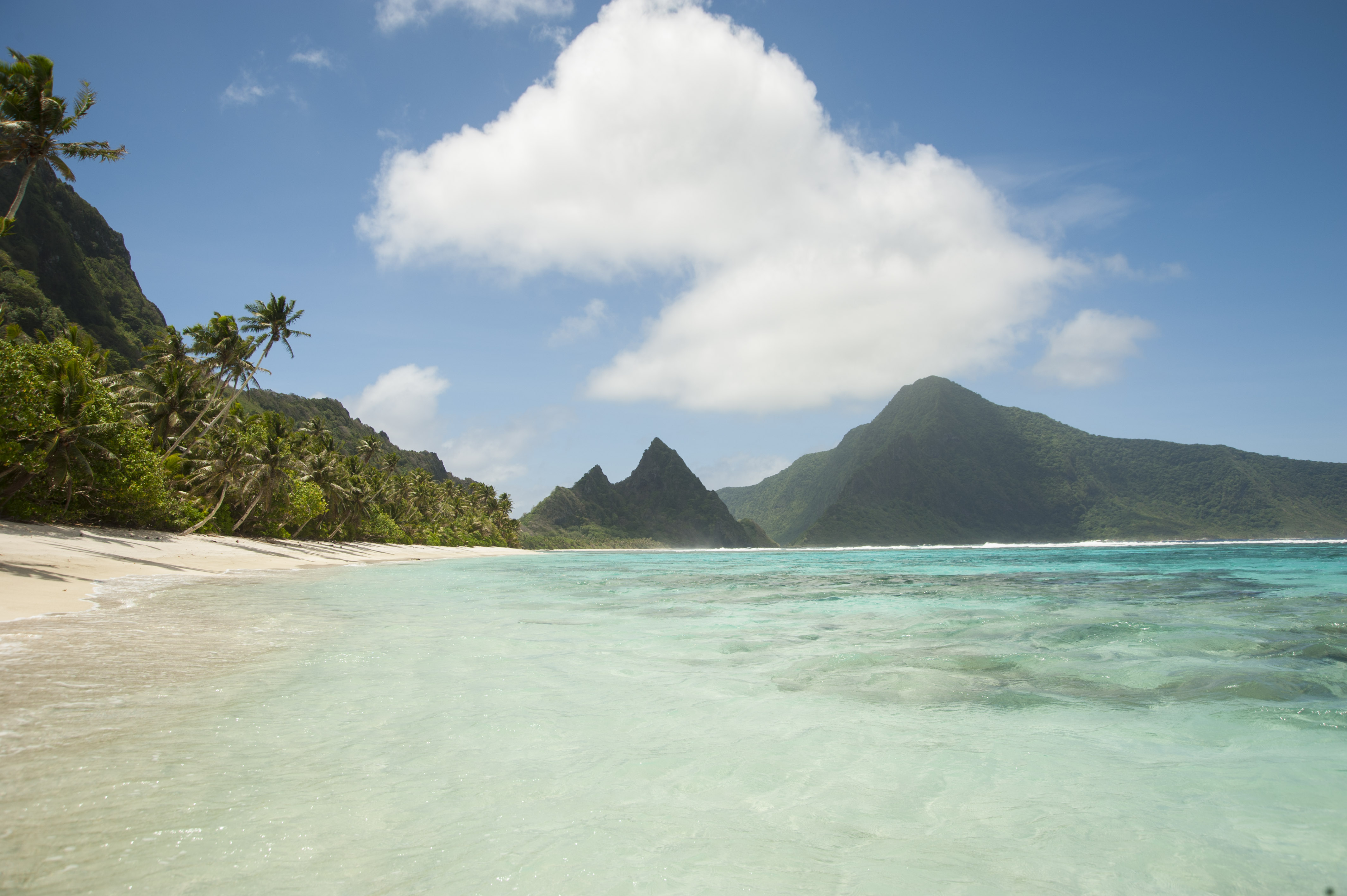
The National Park of American Samoa invites you to discover the vibrant culture and stunning landscapes of the South Pacific. Experience a world unlike any other, where natural beauty and cultural heritage are protected for future generations. Join us in exploring these islands of sacred earth!
Things To Do
Showing 6 of 9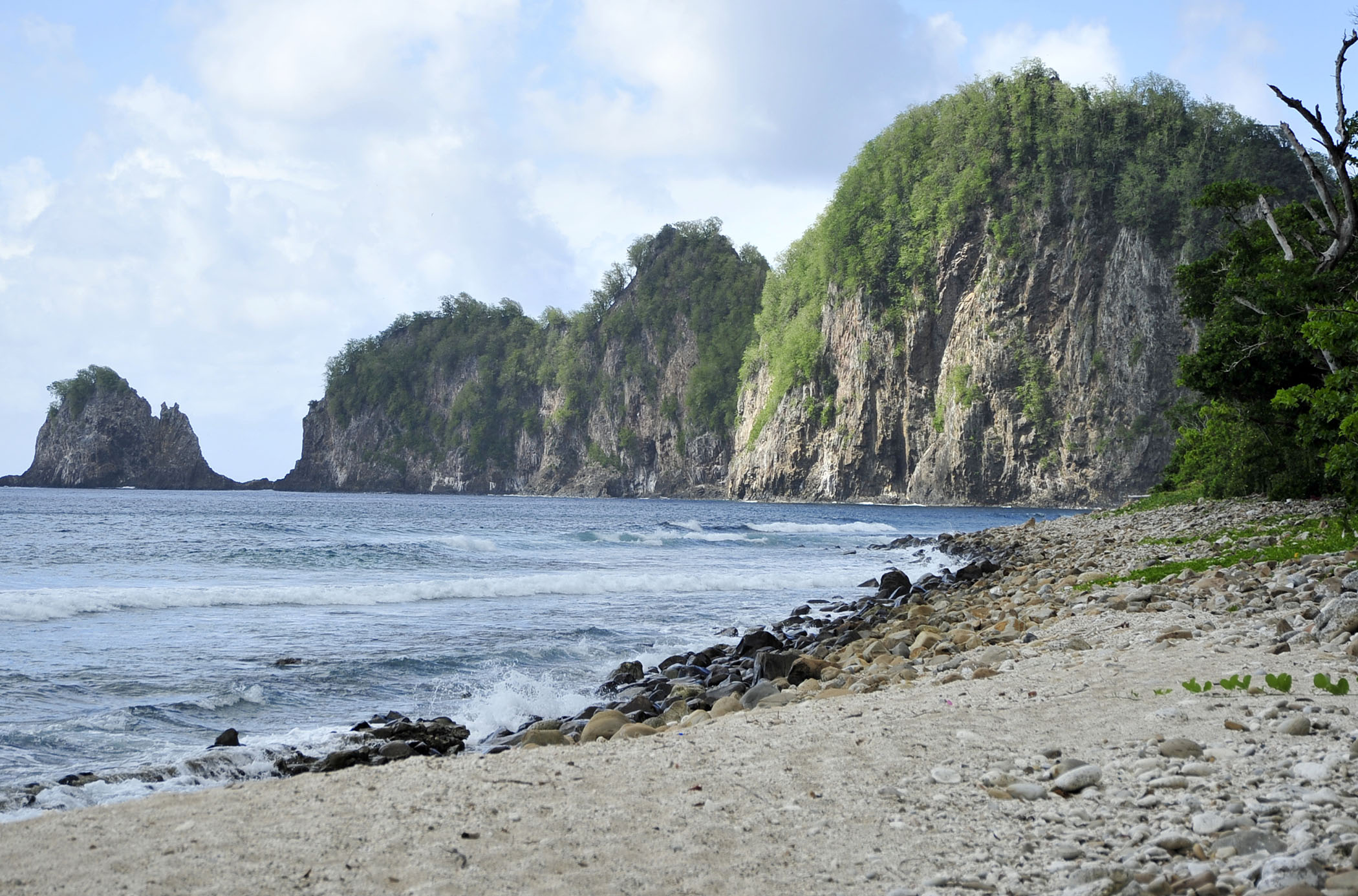
Tuafanua Trail
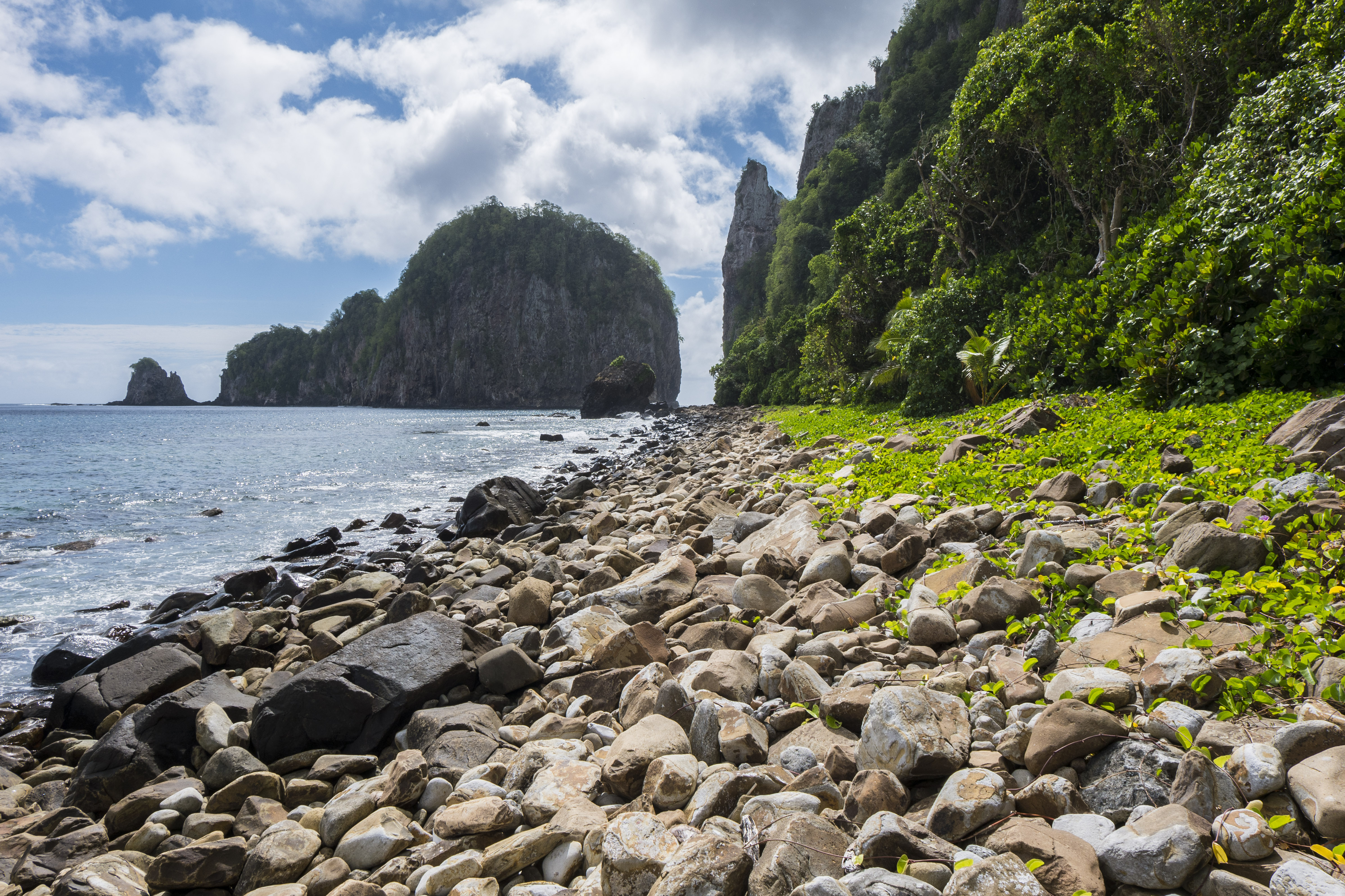
Moderate = 2.2mi/3.54km total; 219ft/67m elevation gain; 2-3 hours. The trail leads you via ladders, steps, and ropes to a rocky beach, where you can enjoy the sound of the waves and take in the Western view of Pola Island.
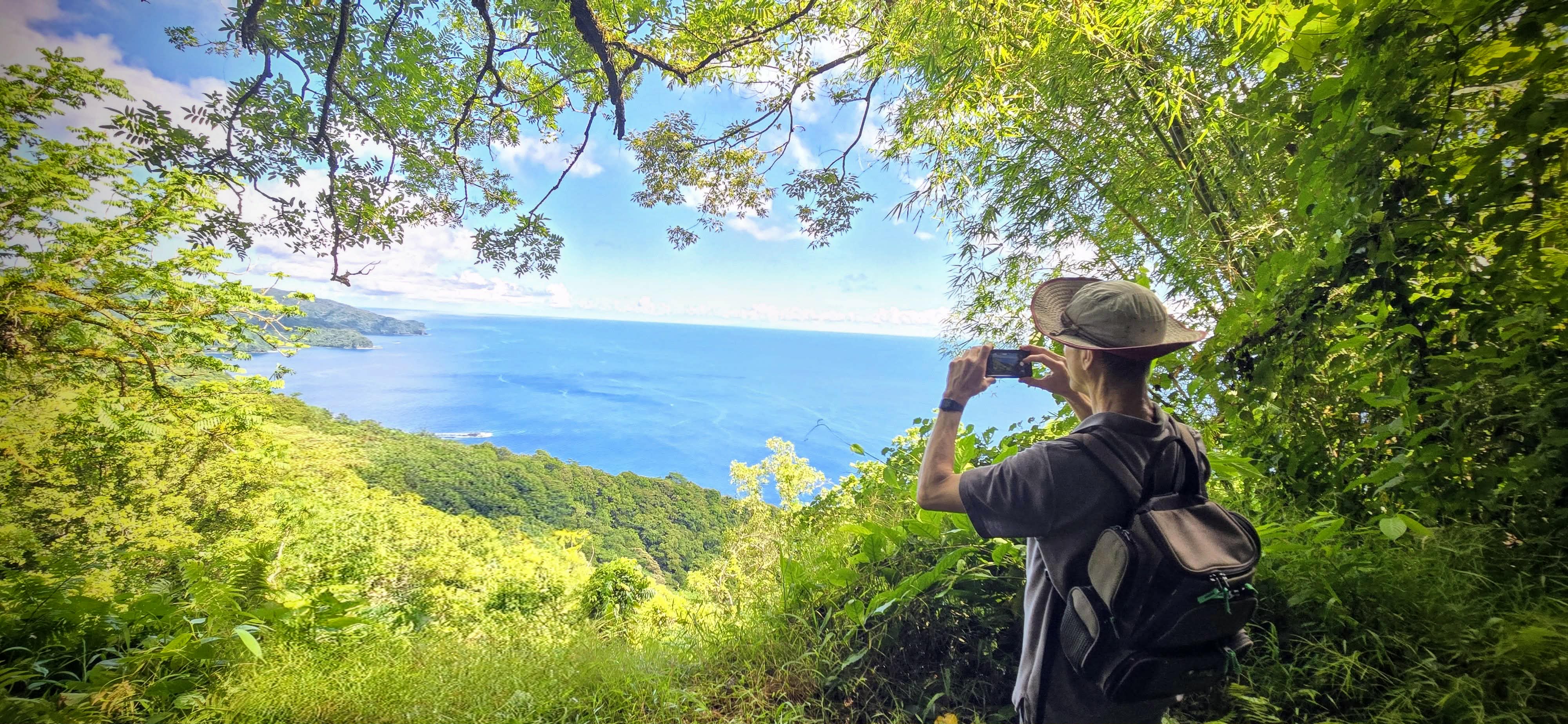
Mount Alava Trail
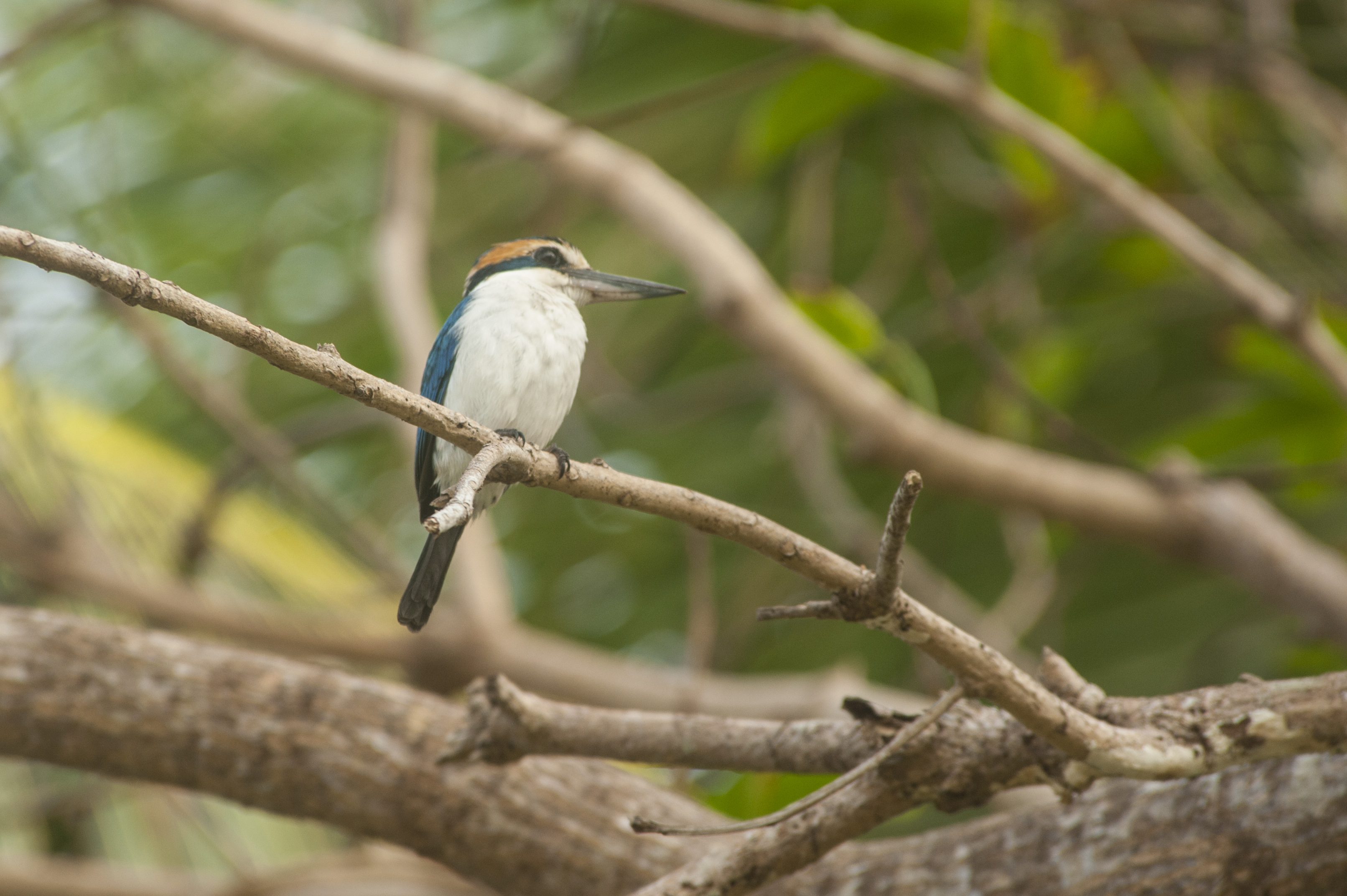
Difficult = 7mi/11.27km total; 1,607ft/490m elevation gain; 4-5 hours. Trail can be steep, slippery, and rocky in places. Stunning panoramic views from the summit. Lush rainforest environment, great for bird and fruit bat watching.
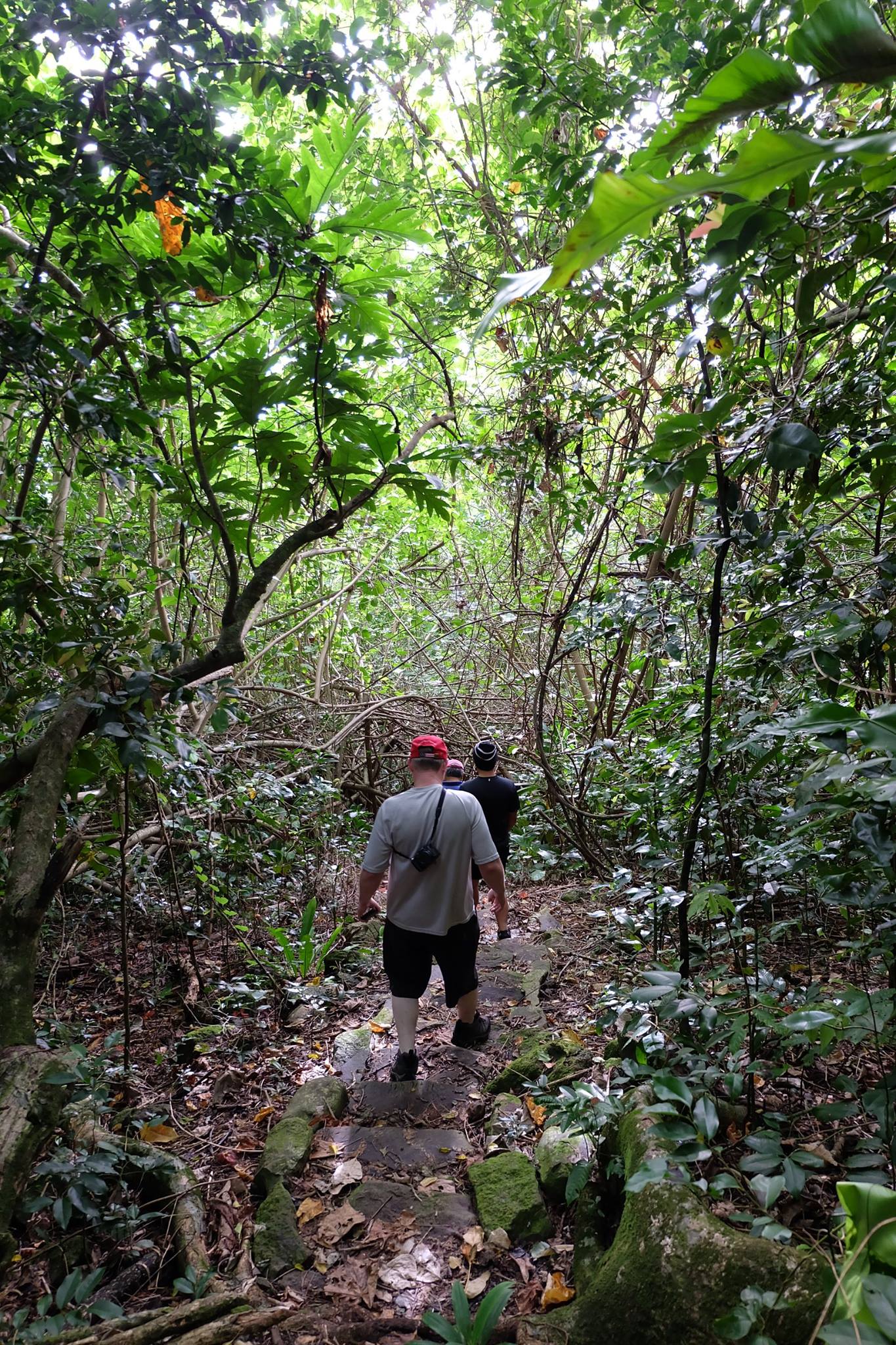
Lower Sauma Ridge Trail
Easy = 0.4mi/0.64km total; 232ft/7m elevation gain; 30-45 minutes. A gentle climb to an archaeological site featuring ancient grinding stones, this trail combines history with incredible views of the northeast coastline and the Vai’ava Strait.
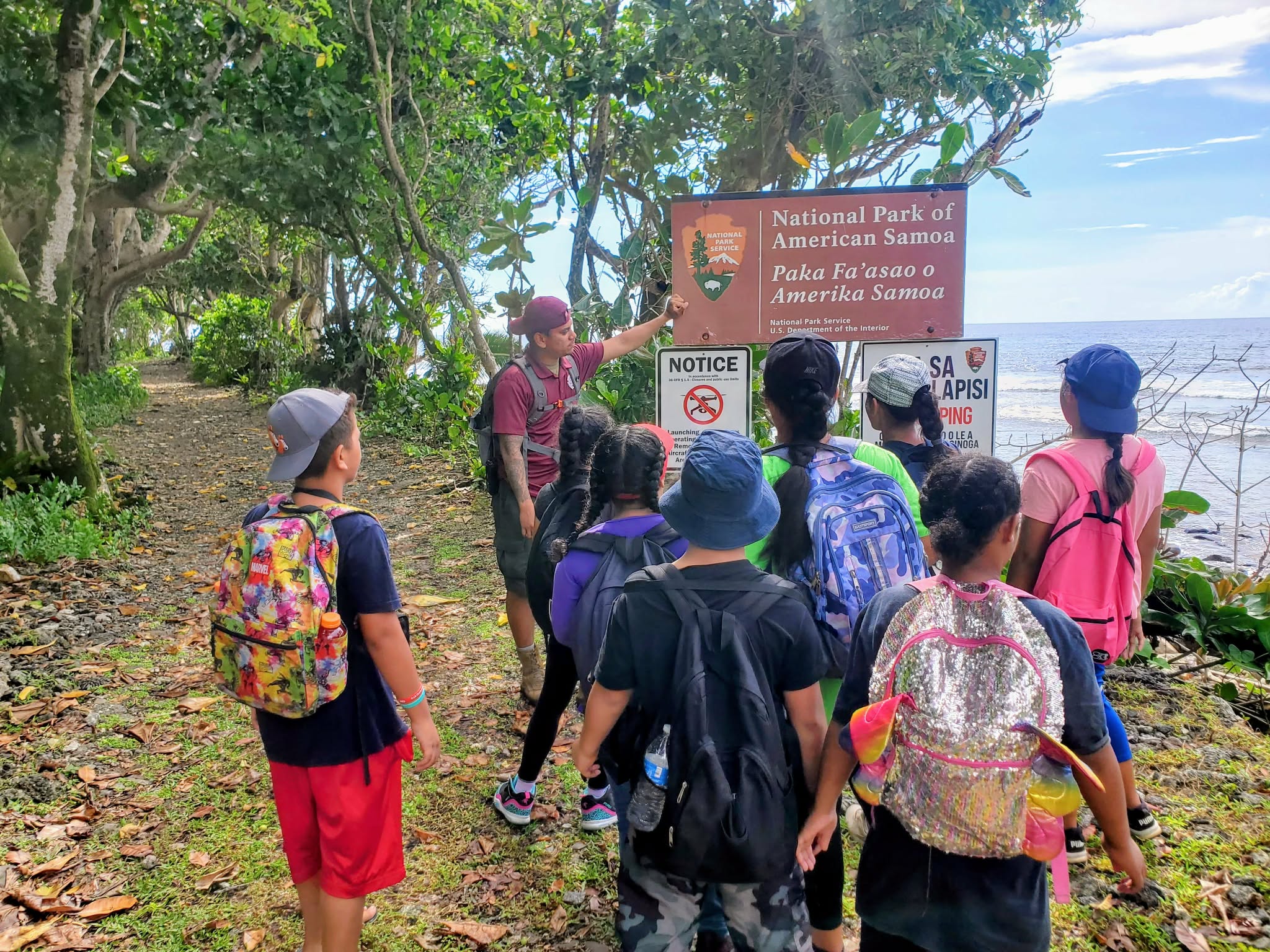
Pola Island Trail
Easy = 0.1mi/0.16km total; 30ft/9m elevation gain; 15-30 minutes. This short, easy trail leads you to the untouched shores of the South Pacific; delivering big rewards with views of the rugged coastline and Pola Island, a sanctuary for nesting seabirds.
Upper Sauma Ridge Trail
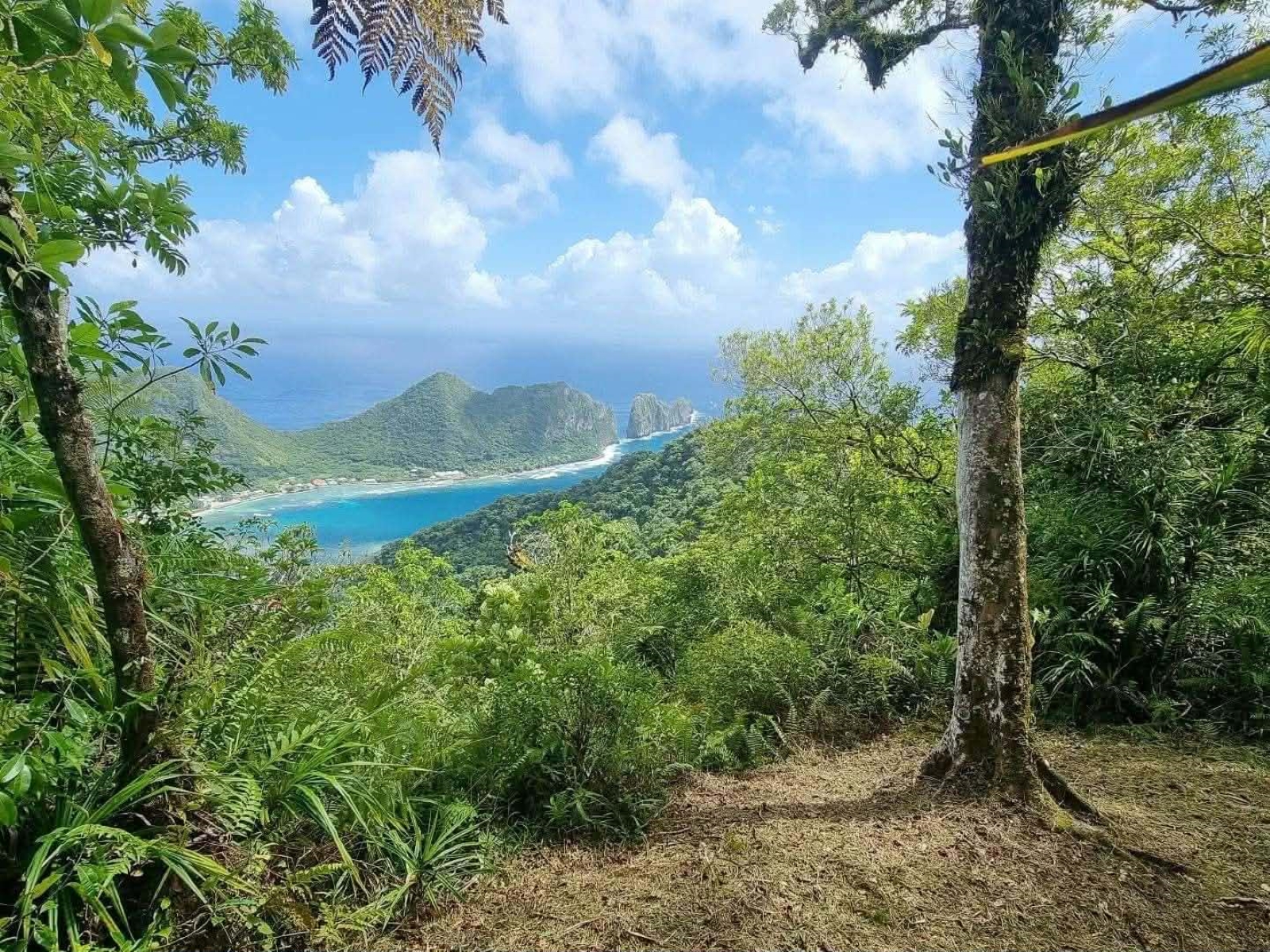
Strenuous = 3.2mi/5.15km total; 1,489ft/454m elevation gain; 3-4 hours. Hike a challenging trail through a dense rainforest, surrounded by native trees and birds. Enjoy one of the island’s most beautiful views of Vatia village and Pola Island at the summit.
Fruit Bat Watching
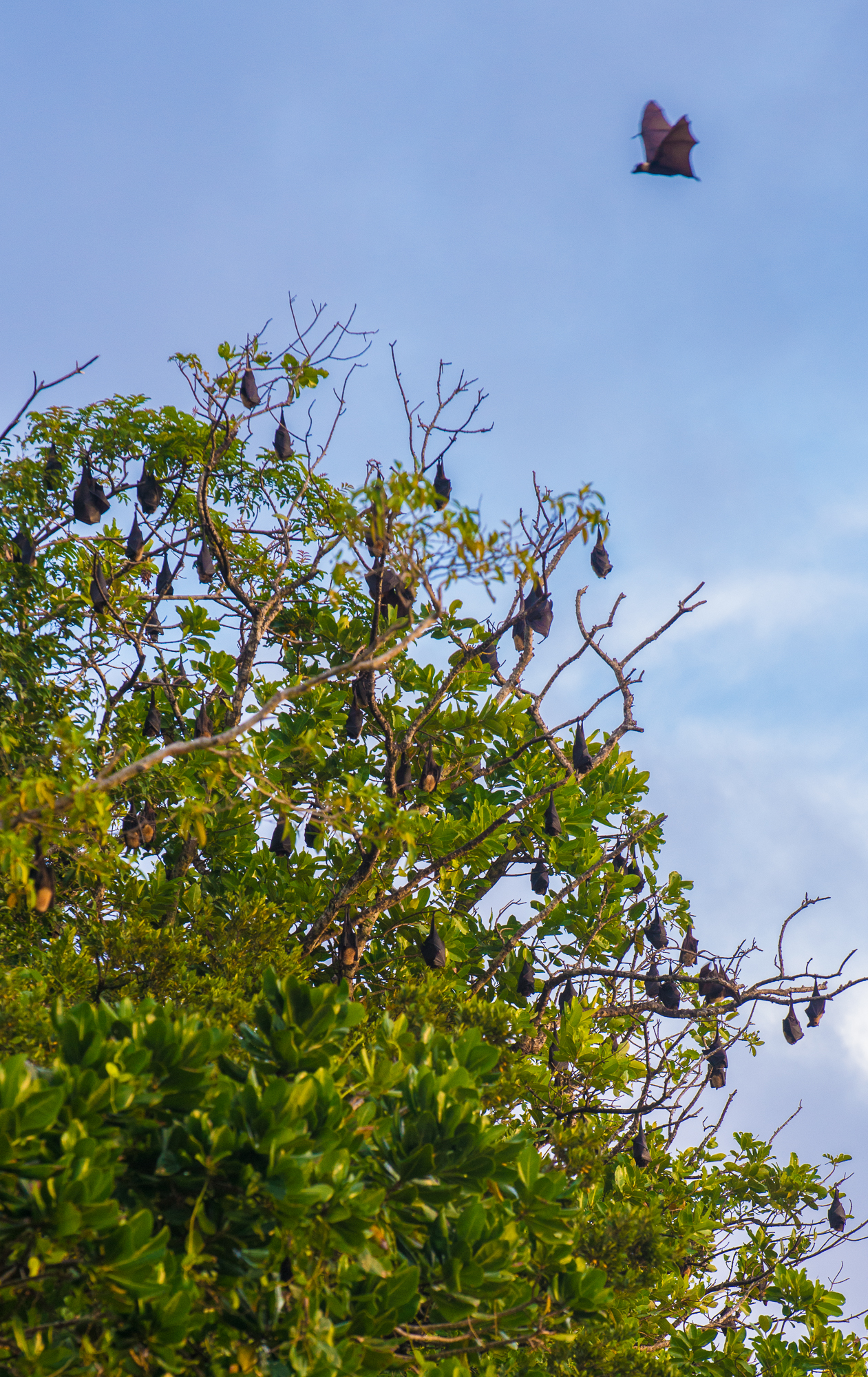
Fruit bats are the only native mammals found in American Samoa. The two species of fruit bat and one insect-eating bat species are harmless to people. They have a wingspan close to three feet. As fruit eaters, fruit bats are excellent and vital pollinators. Plants rely on the fruit bat to spread its seeds through droppings. A colony of fruit bats ensures that the tropical rainforest remains healthy and full of new trees.
Available Activities
Weather
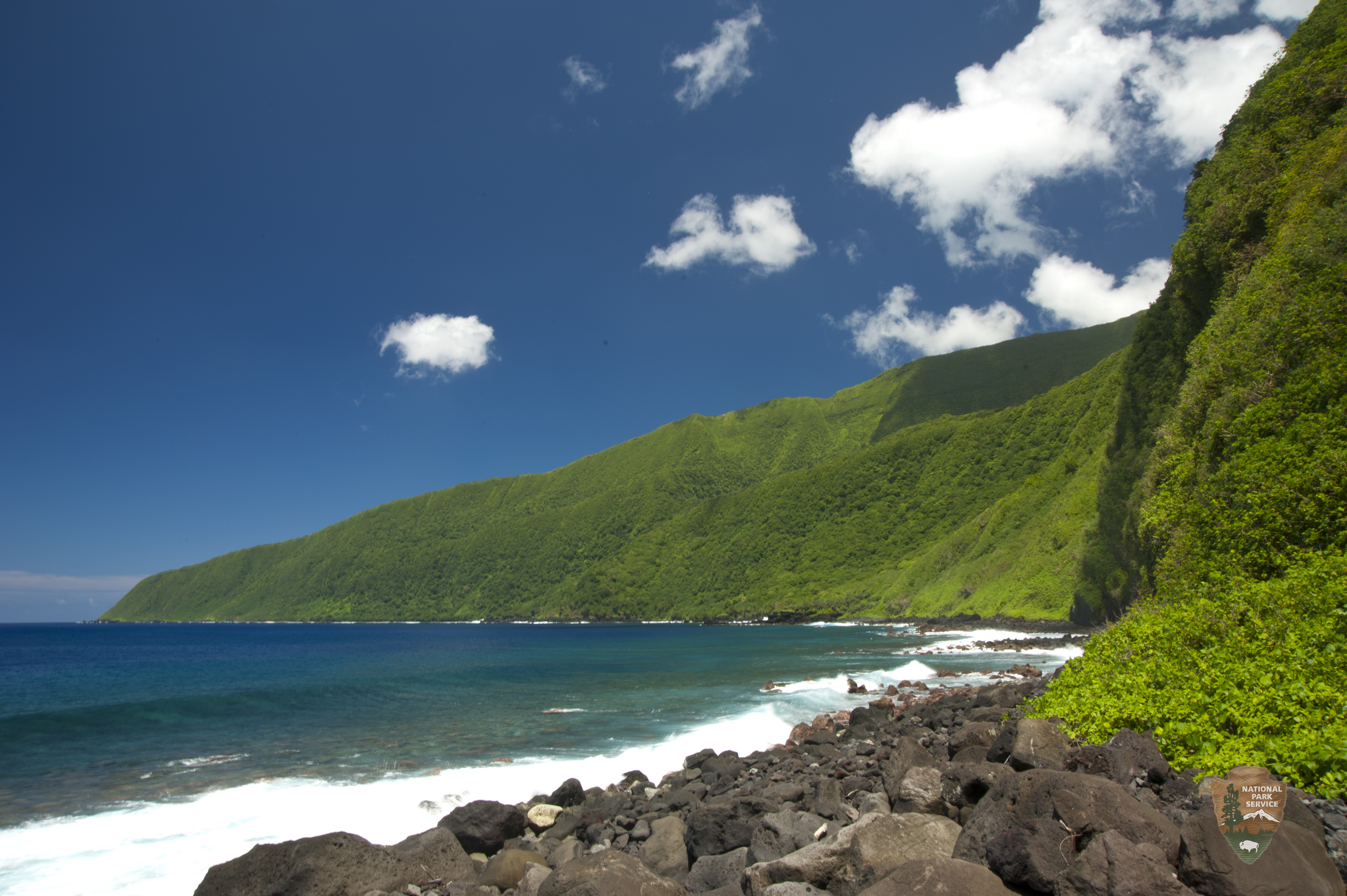
American Samoa is in the South Pacific Ocean, between the Equator and the Tropic of Capricorn. A tropical climate prevails with warm or hot temperatures year-round and high humidity. Rain showers are frequent and can last only for a few minutes or all-day.
The average annual rainfall is 125-inches in the dryer areas to as much as 300-inches in the highest mountains.
Getting There
The visitor center is located in the village of Pago Pago, across from the Pago Way Service Station.
Plan Your Visit
Let Roamze help you plan the perfect trip to National Park of American Samoa with AI-powered itineraries.
Hours
National Park of American Samoa
* The National Park of American Samoa is open 24-hours per day, year round, including holidays. However, some areas of the park maybe temporarily closed due to trail maintenance and/or safety measures. * No fees or reservations are required to visit the national park. * The visitor center and park store is open weekdays from 8:00 am to 3:00 pm. and closed on weekends and federal holidays (except when cruise ships are in port).