Grand Canyon-Parashant National Monument
AZ
Park Alerts (2)
About Grand Canyon-Parashant National Monument
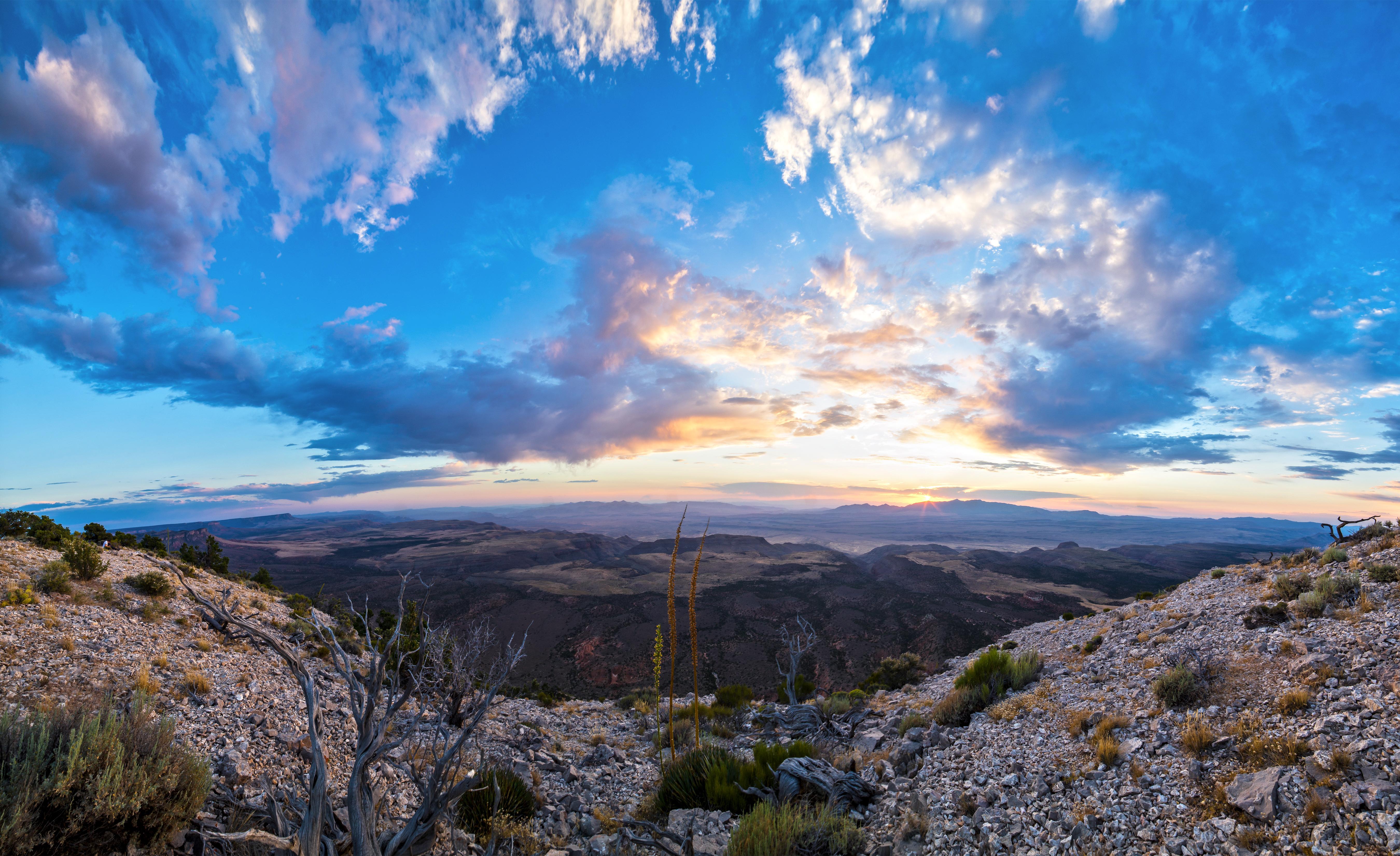
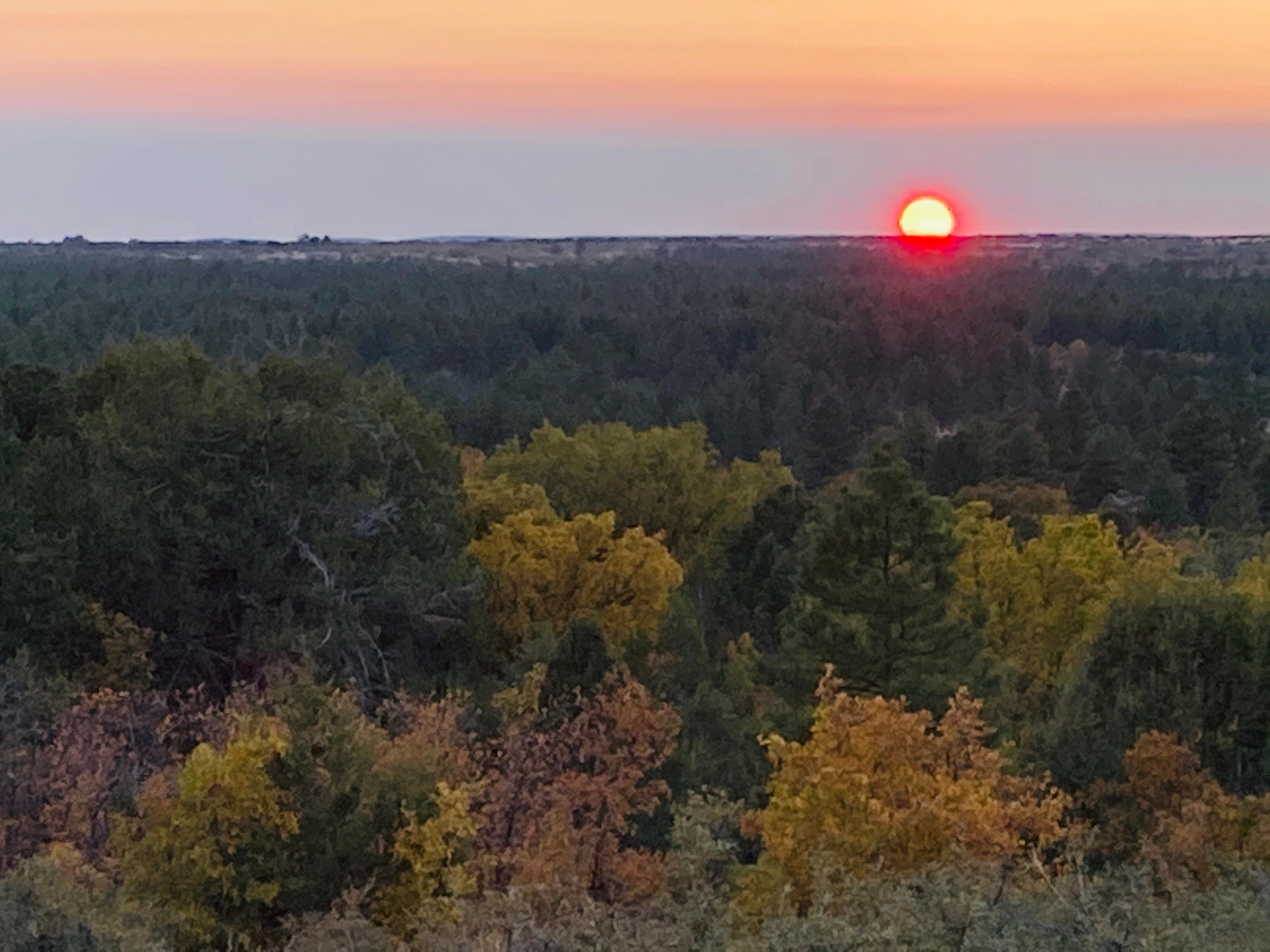
Despite the hardships created by rugged isolation and the lack of natural waters, Parashant has a long human history spanning more than 11,000 years, and an equally rich geologic history spanning almost two billion years. Full of natural splendor and a sense of solitude, this area remains remote and unspoiled, qualities that are essential to the protection of its scientific and historic resources.
Things To Do

Available Activities
Weather
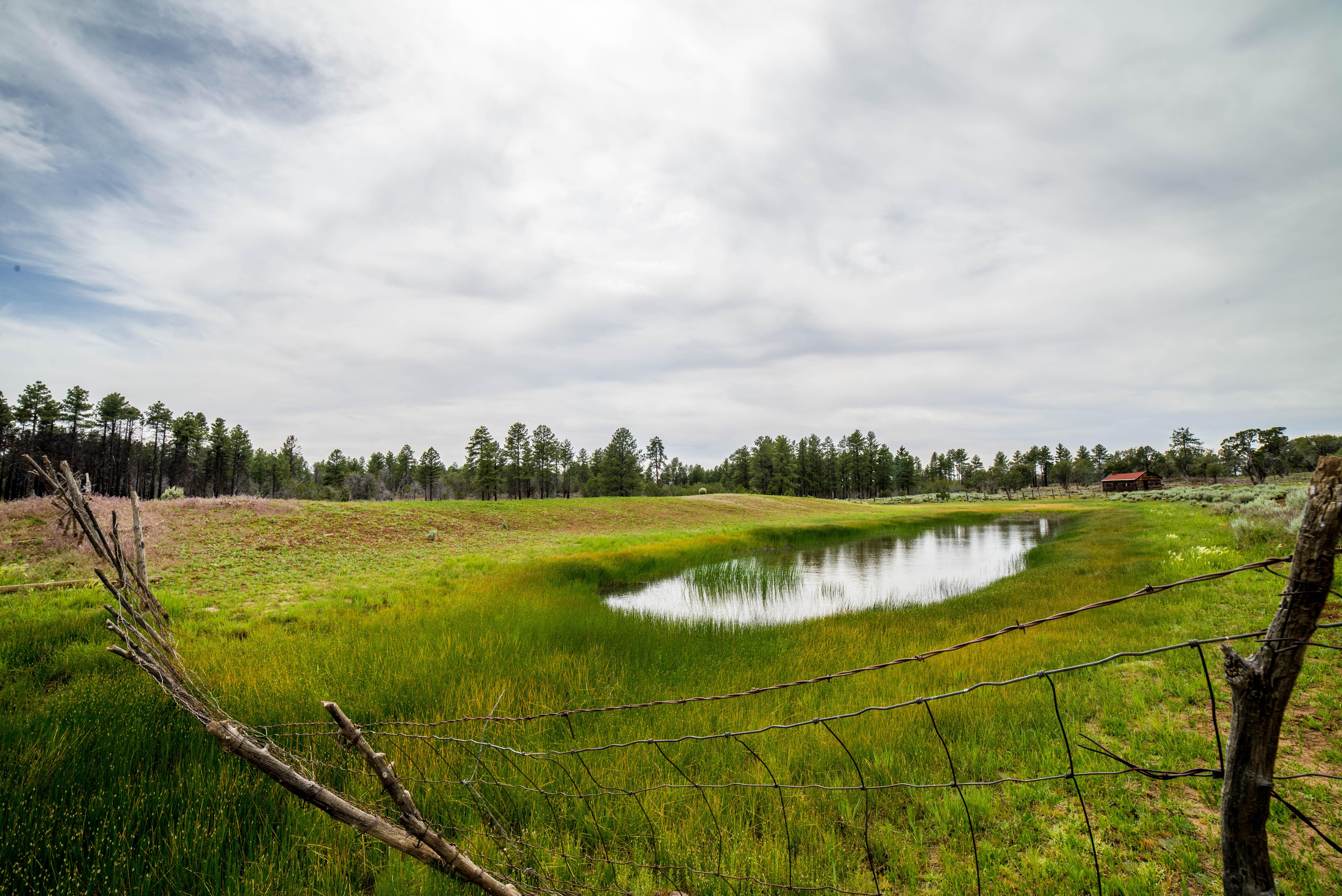
Parashant is split between low elevation Mojave Desert on the west side and high elevation pinyon/juniper/ponderosa highlands on the east side. Expect sun on average 310 days per year. The summer months of June through September are very hot on the west side with highs above 100°F daily (80°F+ at night) below 2,500 feet.
The high elevation east side is ~15°F cooler. Expect heavy afternoon monsoon storms June - September. Roads often stay muddy/icy above 5,500 feet December - February.
Getting There
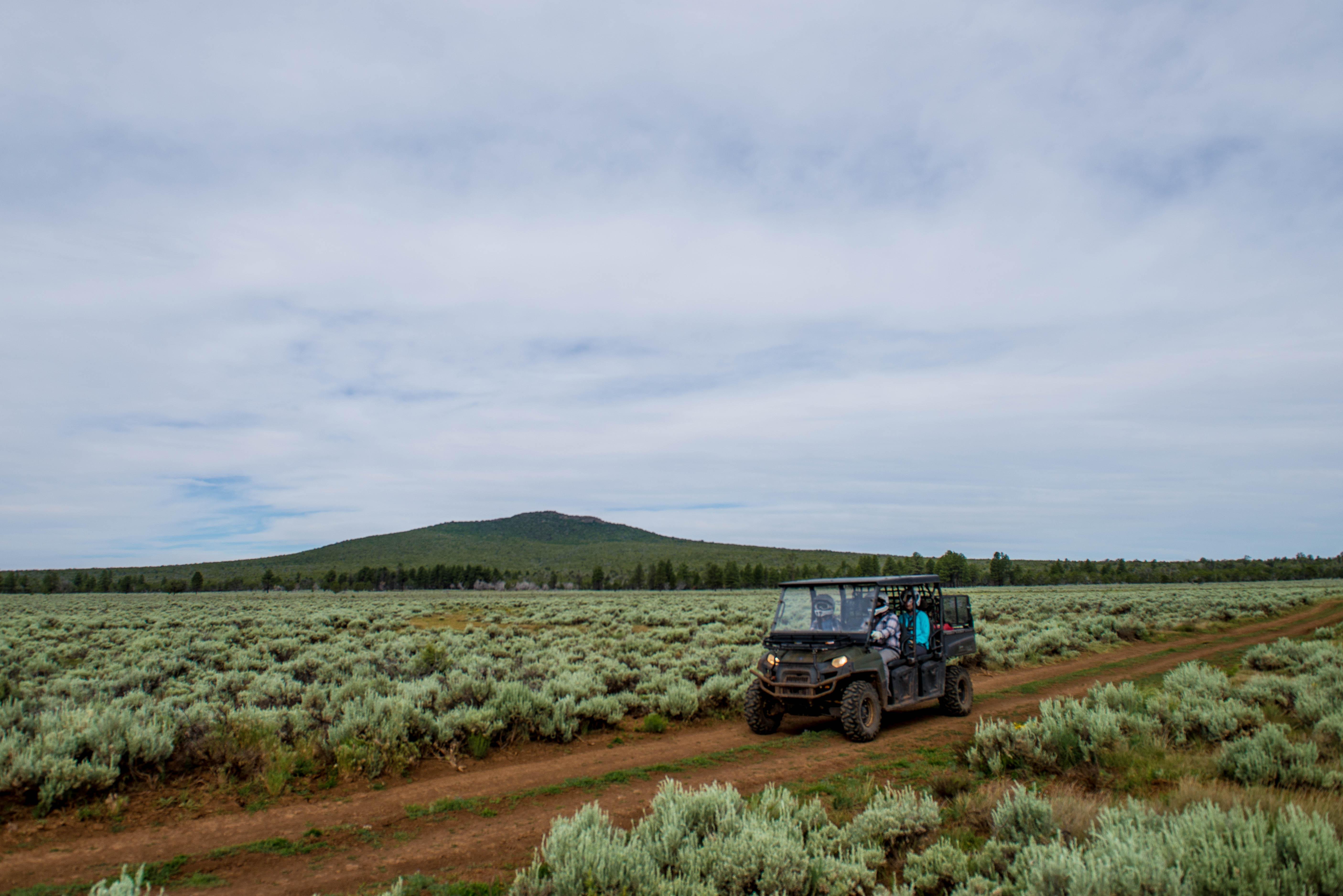
• The monument is located in the northwest corner of Arizona, bordering Nevada to the west and near the southern border of Utah. The monument has entry roads from Nevada, Utah and Arizona. • There are no paved roads or visitor services within the monument's million-plus acres.
• Visitors should be prepared for travel on rugged dirt roads, with an appropriate high-clearance vehicle equipped with all-terrain tires. Spare tires should also be all-terrain rated.
Plan Your Visit
Let Roamze help you plan the perfect trip to Grand Canyon-Parashant National Monument with AI-powered itineraries.
Hours
Grand Canyon-Parashant National Monument
The monument is open every day of the year, however many areas may be inaccessible when roads are impassable. Within the boundaries of Grand Canyon-Parashant there are no facilities or visitor contact stations. Do not rely on your cellphone - there is no cell service on the monument. Roads can be impassable during the monsoon season, July through September, and after winter storms.