Fort Monroe National Monument
VA

Park Alerts (2)
About Fort Monroe National Monument
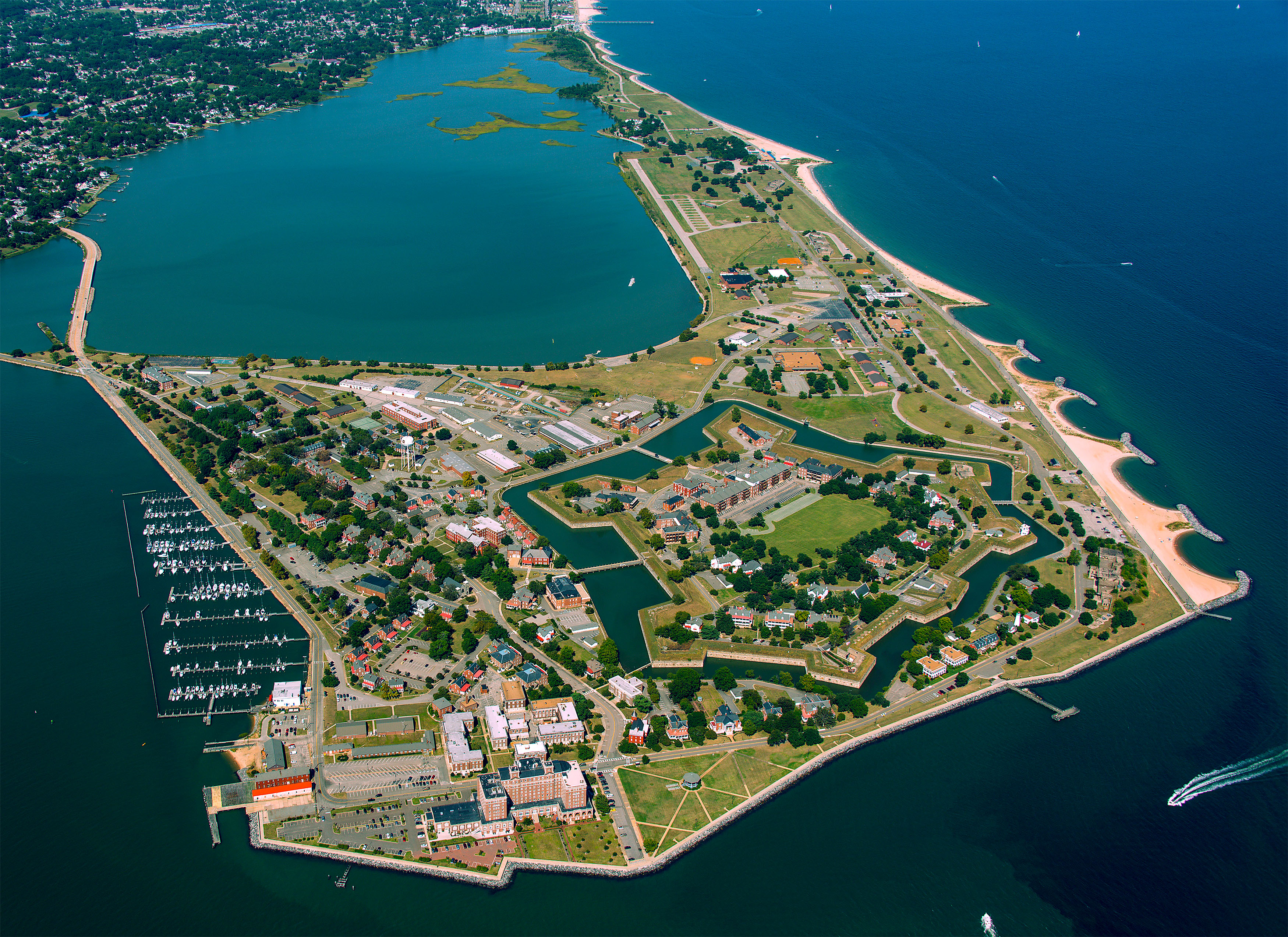
Fort Monroe's story spans from prehistory to the 2000s. Kecoughtan Indians occupied Old Point Comfort before the arrival of English colonists. The first enslaved Africans arrived in 1619.
Those escaping slavery sought their freedom at the fort during the Civil War. The fort remained bastion of national defense until 2011, when it became a national park.
Things To Do
Showing 6 of 7
Commemorate the First African Landing
Come together at Fort Monroe each August to commemorate the landing of the first enslaved Africans in Virginia. Their historic arrival still has a profound impact on the United States and its people.
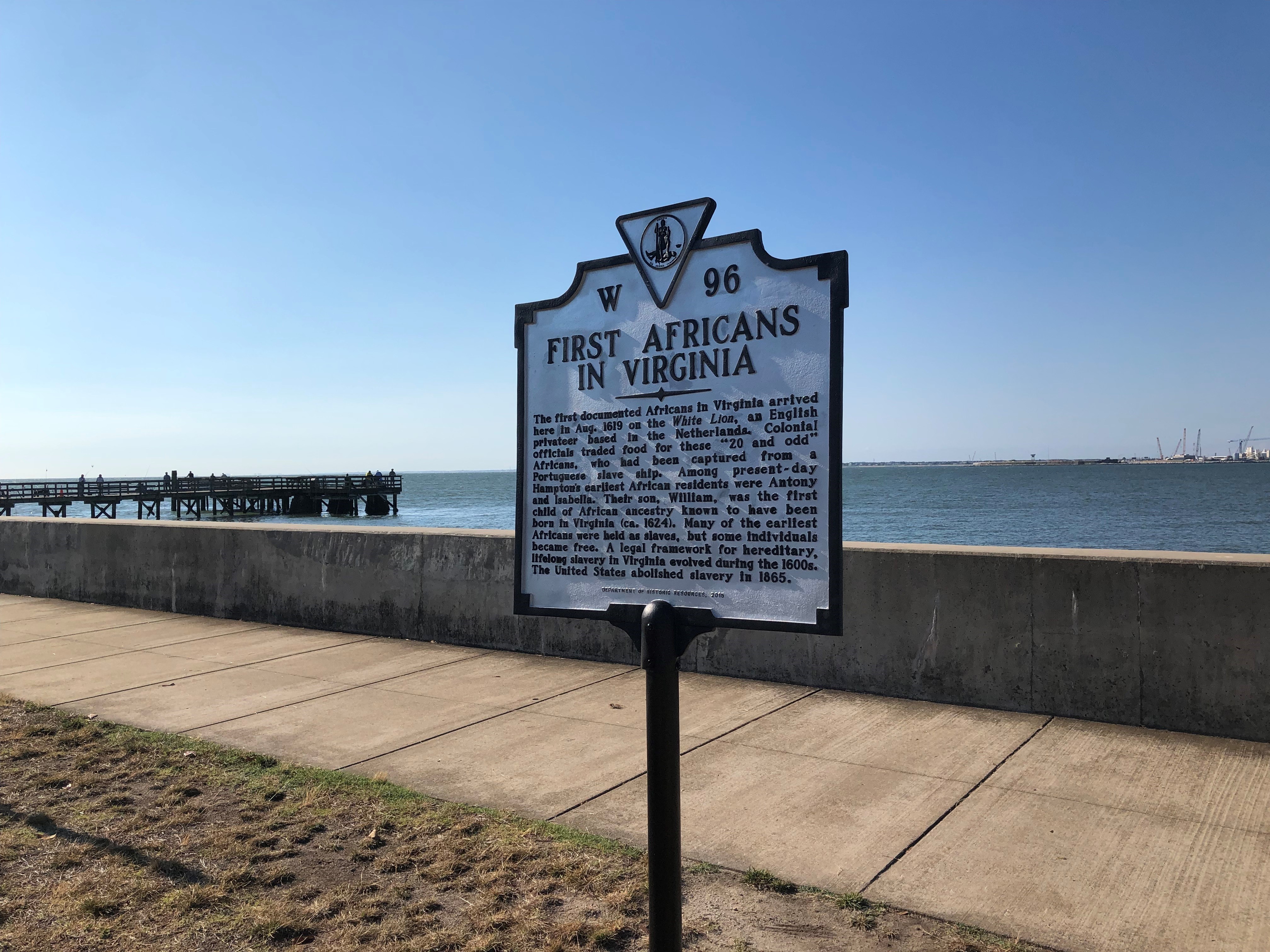
Discover Fort Monroe's African American Heritage
Immerse yourself in over four hundred years of African American history. That story begins in 1619 with the arrival of the first enslaved Africans at Old Point Comfort. It continued through the age of slavery and abolition, and into the 2000s.
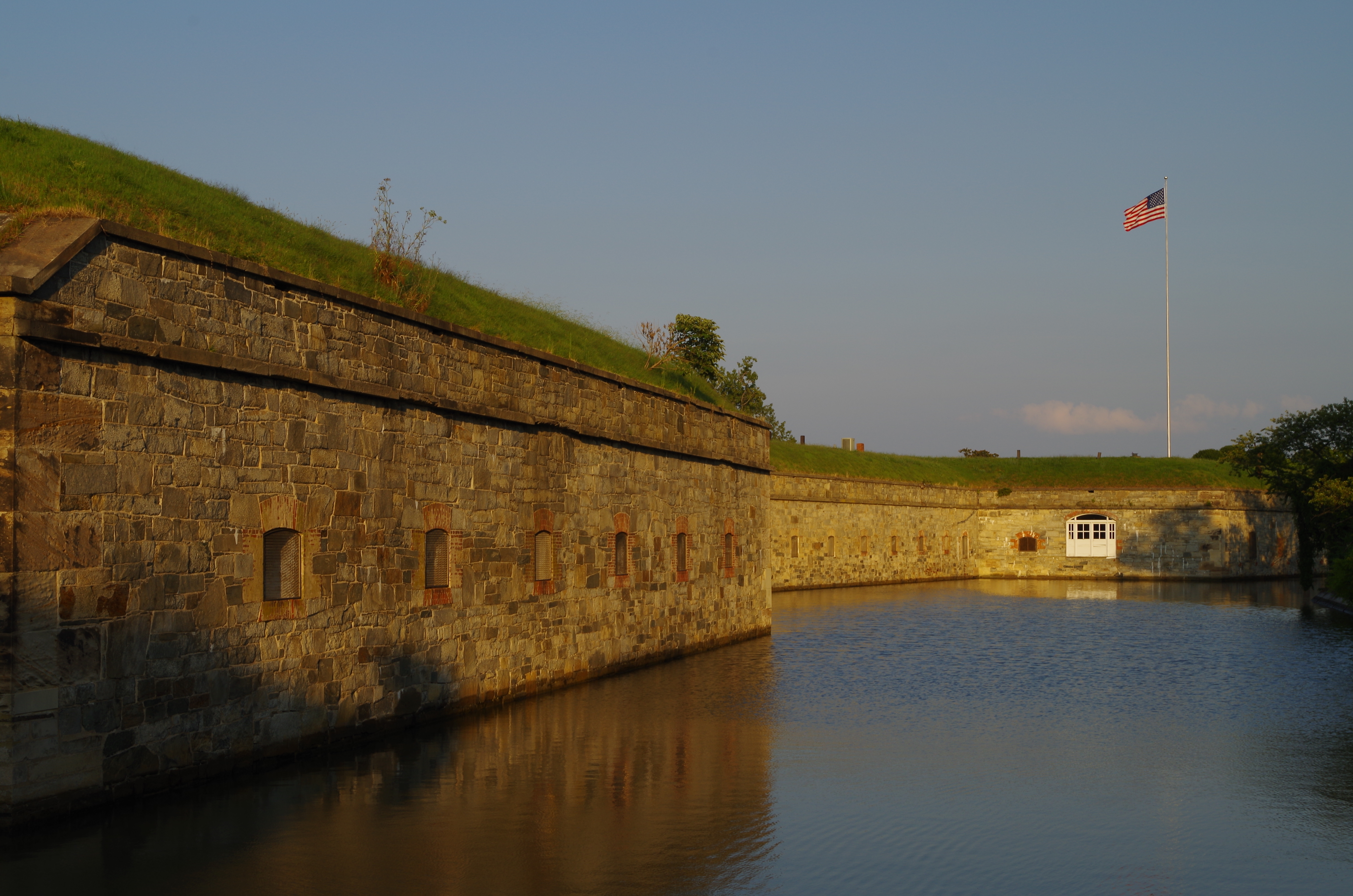
Join a Guided Tour of Fort Monroe
National Park Service and the Fort Monroe Authority offer guided walking tours year-round. Tours may answer questions about different aspects of Fort Monroe's history. What peoples came to this area and what were their legacies? Who built the fort, why, and how?
Be a Fort Monroe Junior Ranger
The Junior Ranger program helps kids explore, learn about, and protect Fort Monroe National Monument. Anyone can become a Junior Ranger by completing activities during a visit to the park.
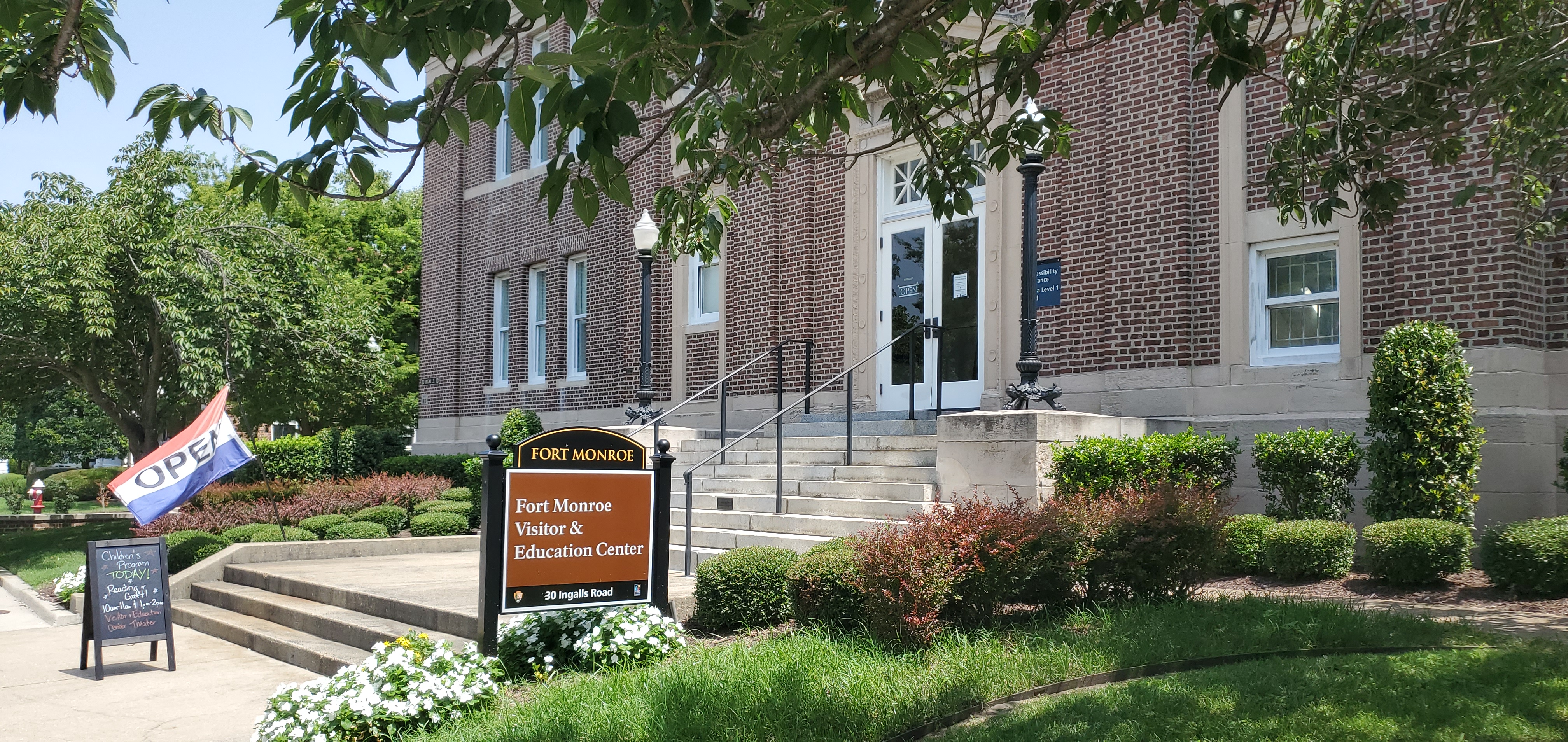
Start at the Fort Monroe Visitor & Education Center
Start at the Fort Monroe Visitor & Education Center Pick up a park brochure, ticket for the Casemate Museum, and a self-guiding walking tour. Stamp your Passport to Your National Parks. Kids can get their Junior Ranger activity book. Plan your visit with the information desk staff. See exhibits to learn about the fortification and history of the monument. View the 15-minute film that highlights over 400 years of history.
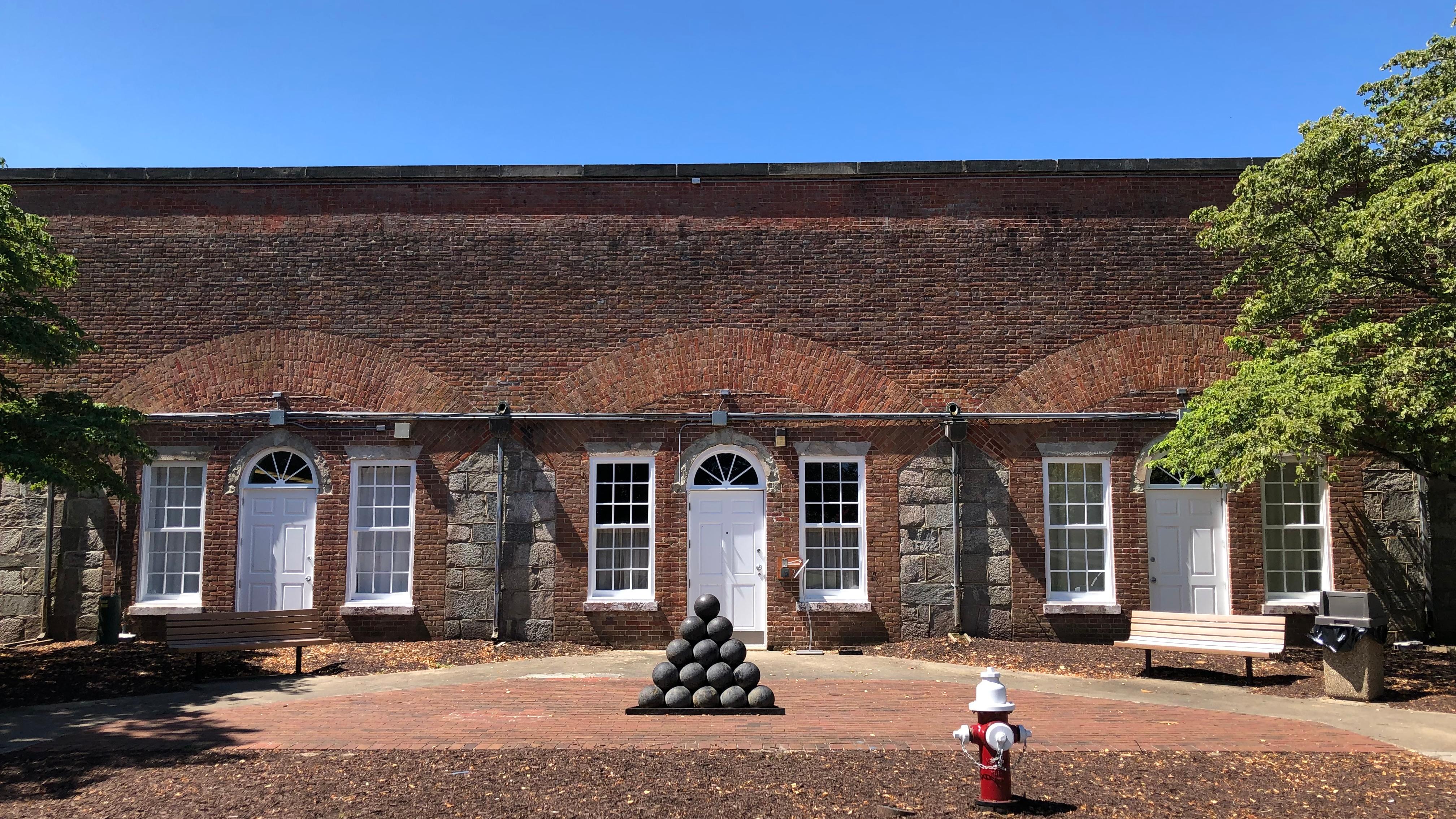
See Exhibits at the Casemate Museum
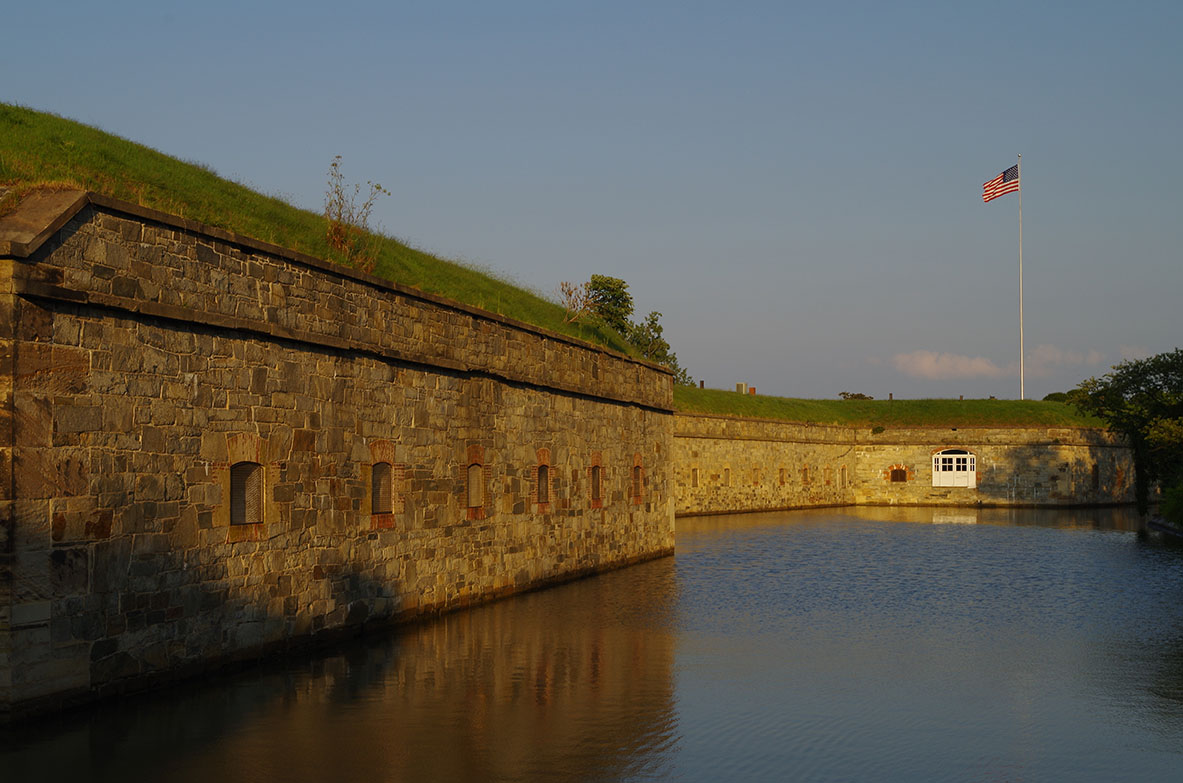
Exhibits at the Casemate Museum chronicle the military history of Fort Monroe. Get your free museum ticket Fort Monroe Visitor & Education Center. The Casemate Museum is within the stone fort. Information desk staff will give direction when you get your ticket.
Available Activities
Weather
Spring: Temperatures range from 40 F to 70 F with rain being common. Summer: Temperatures range from 75 F to 100 F with rain and sun equally common. On very sunny days, be prepared with plenty of water.
Fall: Temperatures usually range from 40 F to 65 F. Hurricanes are more likely to threaten the are at this time of year. If planning a visit during this time, please be mindful of the storm activity.
Winter: Temperatures range from 40 F to 50 F on average with snow being uncommon.
Getting There
Take exit 268 from Interstate 64 (I-64) in Hampton, Virginia toward Fort Monroe. Turn left from the exit ramp onto South Mallory Street. Turn right at the second light onto East Mellen Street.
Cross the bridge and turn left at the light onto Ingalls Road. The Fort Monroe Visitor & Education Center is on the left after about two-thirds of a mile. Park on Ingalls Road or in the lot behind the building.
Plan Your Visit
Let Roamze help you plan the perfect trip to Fort Monroe National Monument with AI-powered itineraries.
Hours
Fort Monroe
Fort Monroe National Monument is open year-round for outdoor activities like walking and exploring the historic grounds. Residents occupy many of the buildings. Respect their privacy by not peering into windows or opening gates.
Beaches
The beaches at Fort Monroe are open to the public all year from sunrise to sunset. Only the first two coves at Outlook Beach have Life guards. Please use caution when entering the water. September 16 - May 14: Dogs allowed on the beach with 6 foot leash May 15 - September 15: Dogs not allowed on the beach